Martínez’s Early Exit Impacts Argentina
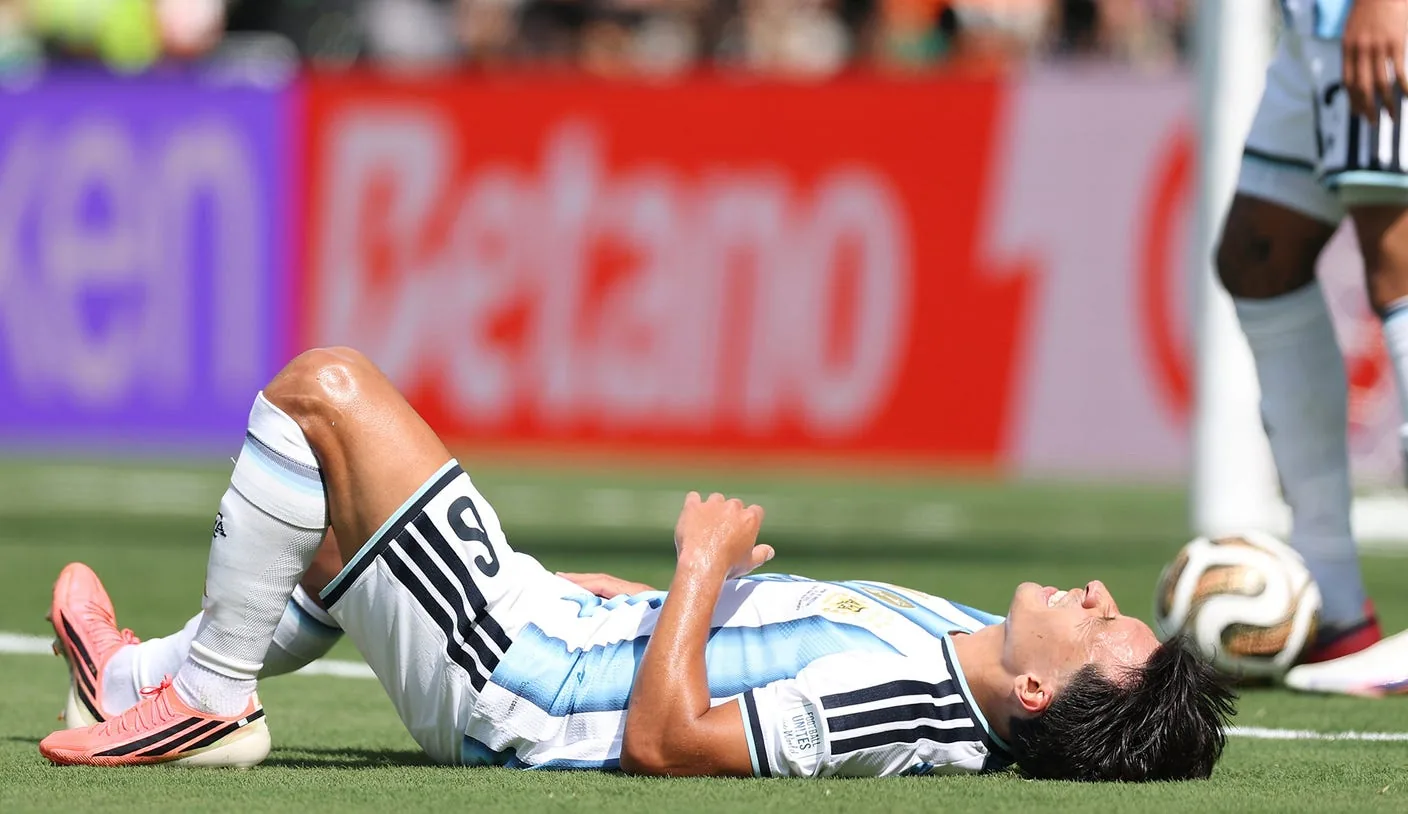
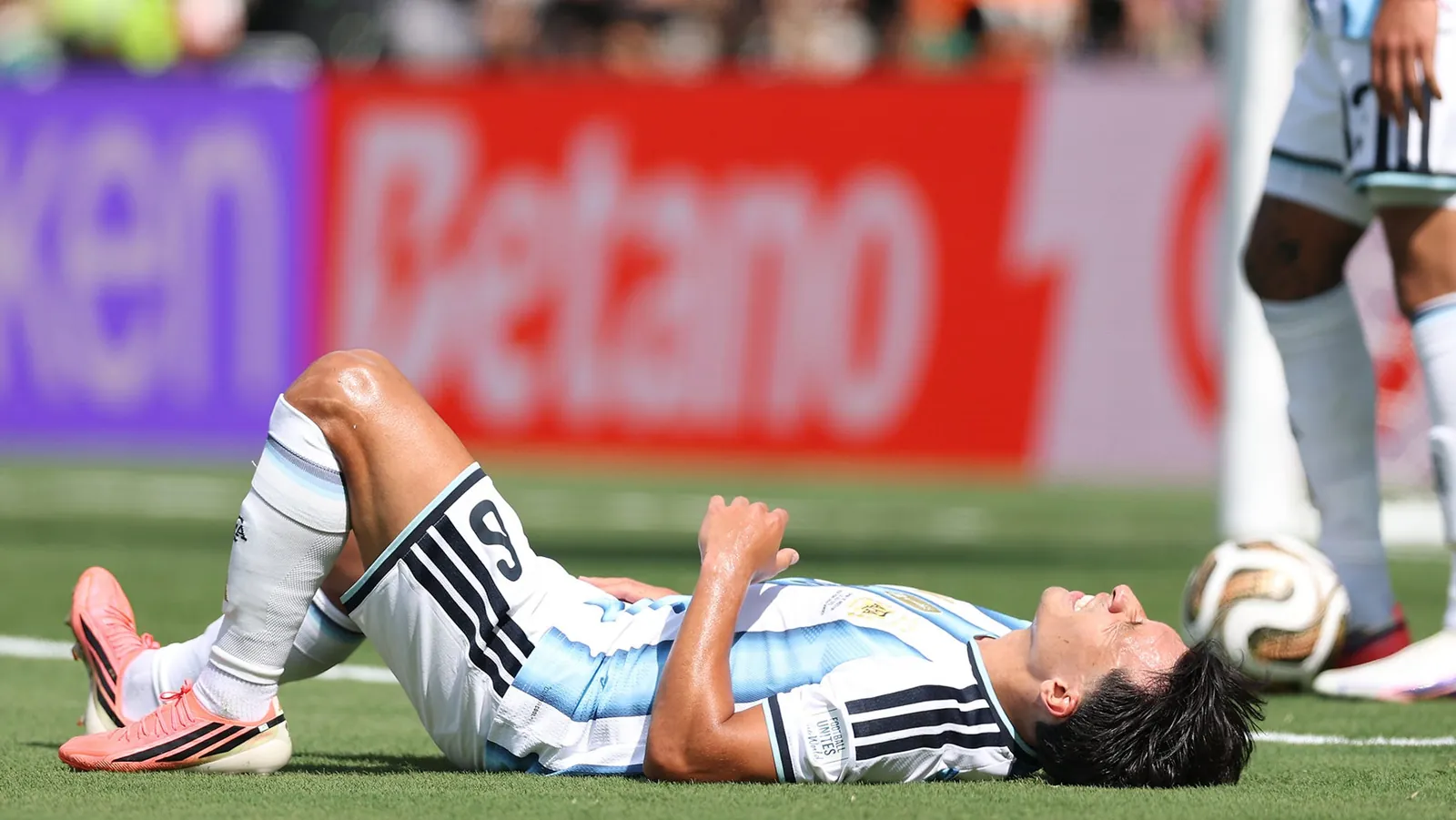
Argentina faced a significant challenge in the FIFA World Cup 2026 final against Spain when key defender Lisandro Martínez was forced to leave the field due to an apparent injury. The incident occurred just before halftime during a goalless first half at MetLife Stadium. Martínez, a central figure in Argentina’s defence, signalled to the bench that he could not continue shortly after receiving the game’s first yellow card in the 41st minute.
The Manchester United centre-back had committed a heavy tackle from behind on Spanish forward Mikel Oyarzabal. Following the challenge, Martínez went down and indicated his inability to proceed. Goalkeeper Emiliano Martínez urgently called for assistance, prompting manager Lionel Scaloni to quickly bring on 38-year-old veteran Nicolás Otamendi in the 43rd minute.
This early departure compounded what was described as a sluggish opening period for the defending global champions. Argentina struggled to establish their usual rhythm and did not test Spanish goalkeeper Unai Simón effectively throughout the first 45 minutes. With Spain controlling possession through players like Rodri and Fabian Ruiz, Argentina’s attacking duo, Lionel Messi and Julián Álvarez, received limited service upfront.
A Pattern of Opponent Injuries for Spain
Martínez’s injury marks the fourth consecutive knockout match in which a key opponent for Spain has been forced off due to injury. This recurring pattern has led to discussions about whether it is a coincidence or a notable trend in the tournament. The previous instances include:
- In the Round of 16 against Portugal, left-back Nuno Mendes, who had been effectively containing Lamine Yamal, suffered an injury in the second half. His replacement, Nelson Semedo, allowed Yamal more space, contributing to Spain’s late victory.
- During the quarter-final against Belgium, goalkeeper Thibaut Courtois was injured with the score tied at 1-1. His substitute, Senne Lammens, made a mistake that Spain capitalised on to advance to the semi-finals.
- In the semi-final clash with France, centre-back William Saliba sustained an injury in the first half, disrupting France’s defensive partnership. While France faced other issues, Saliba’s absence was noted as a factor.
The injury to Martínez continues this trend in the World Cup final. However, one notable difference in this instance is that Martínez had already received a yellow card before leaving the pitch. This means Argentina no longer has to be concerned about their left-sided centre-back potentially receiving another booking. The introduction of Otamendi, an experienced defender, could potentially stabilise the defence, offering a different dynamic for Argentina.
Argentina’s Tactical Challenge
Martínez’s injury leaves Argentina’s backline vulnerable for the remainder of the match and any potential extra time. The 28-year-old defender has been a consistent performer for Argentina throughout their knockout campaign, providing both defensive aggression and crucial ball-playing abilities from the back. He had started all but one match for Argentina in this World Cup, with his only benching occurring when the team had secured its position in the group stage.
Martínez also contributed offensively, scoring a goal and providing an assist in Argentina’s Round of 32 victory over Cape Verde, marking his second international goal. Sunday’s match was his 35th appearance for Argentina. As both continental champions headed into halftime with the score at 0-0, manager Scaloni faced a significant tactical decision. With Otamendi now anchoring the defence against Spain’s fast wingers, Argentina will need a much-improved performance in the second half if they are to retain their world title.
Following the break, Argentina made another substitution, replacing forward Nicolás González with midfielder Leandro Paredes, who received a yellow card shortly after entering the match.
Read Also
Source: timesofindia.indiatimes.com