Argentina’s World Cup Final Performance
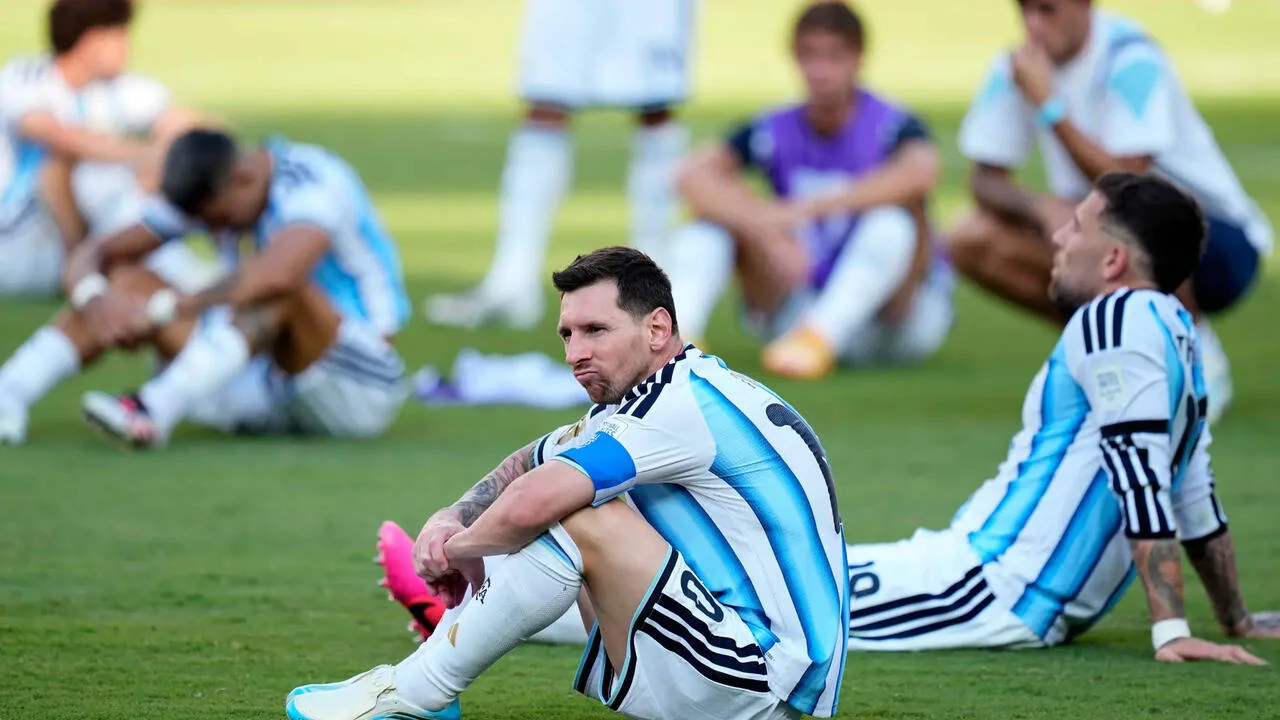
Argentina’s bid to secure consecutive FIFA World Cup titles concluded with a 1-0 extra-time defeat to Spain in the final. The match, held at the New York New Jersey Stadium, saw Spain claim their second FIFA World Cup trophy. For Lionel Messi, who was seeking to end his international career with another major title, the outcome resulted in visible emotion after the final whistle.
The final presented a notable contrast to Argentina’s previous performances in the tournament. Throughout the competition, La Albiceleste had been recognised for their dramatic timing in scoring goals. However, in the final, they struggled to create opportunities, failing to register a shot in regular time. Even with an additional half-hour of play, Argentina did not manage to threaten Spain’s goal.
Spain’s victory was secured by a goal from substitute Ferran Torres in the 106th minute. The goal came after Pedro Porro delivered a cross into the area, which Nico Williams headed back across goal for Torres to finish. This decisive strike ended Argentina’s reign as world champions.
Messi’s Emotional Reaction and Legacy
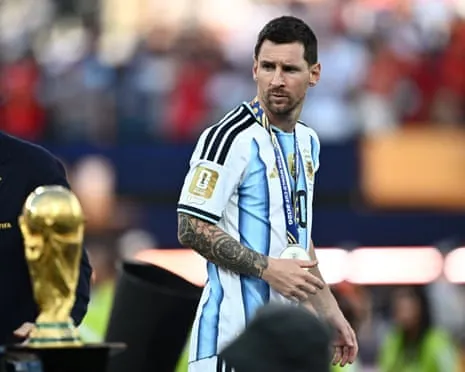
Following the defeat, Lionel Messi was visibly emotional as he collected his runners-up medal. Images and videos of a tearful Messi circulated on social media, prompting a tribute from the Argentine Football Association (AFA). The AFA expressed gratitude to their captain, acknowledging his contributions and impact on the team.
The match marked what is widely anticipated to be Messi’s final appearance in a FIFA World Cup. Despite the loss, his legacy remains significant, having guided Argentina to the 2022 FIFA World Cup title and securing Copa América triumphs in 2021 and 2024. At 39, Messi’s career achievements are extensive, and this defeat does not diminish his standing in the sport.
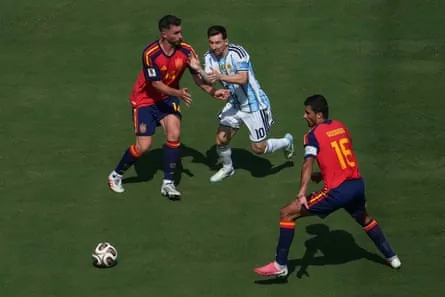
Spain’s defensive strategy played a key role in neutralising Messi’s impact throughout the game. They maintained significant possession and completed a higher number of passes, demonstrating control over the match. Argentina’s challenge was further complicated when Enzo Fernandez received a second yellow card late in normal time, forcing them to play the entirety of extra time with ten men.
Tactical Battle and Aftermath
The final was characterised by Spain’s dominant performance, particularly in terms of possession and shots on goal. La Roja recorded a significant advantage in shots, indicating their control over the game’s flow. Argentina’s inability to generate offensive pressure was a defining aspect of their performance.
For Argentina’s head coach, Lionel Scaloni, the final presented a missed opportunity to further solidify his legacy. While he has led Argentina to a World Cup and multiple Copa América titles, this result was described as one of his team’s less effective performances. The team’s display in the final was a departure from their earlier tournament form.
The outcome of the final means Argentina could not become the first nation since Brazil in 1962 to successfully defend the World Cup title. The match concluded with Spain celebrating their victory, marking a significant moment for their national team.
Read Also
Source: theguardian.com