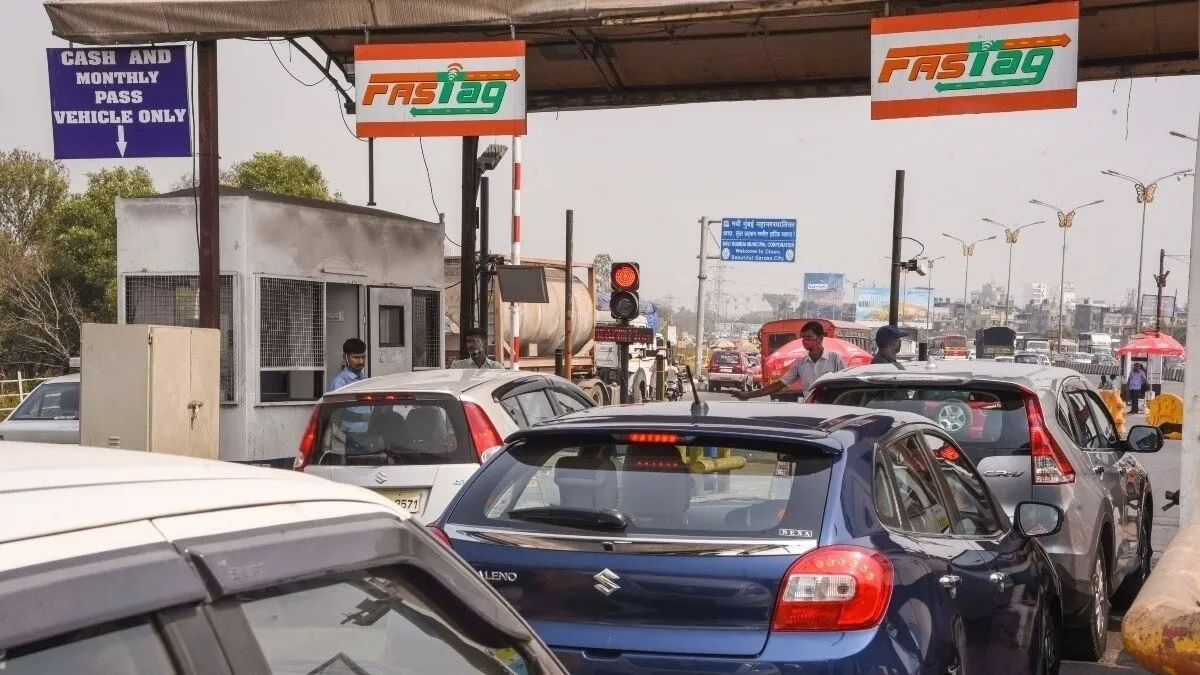
The introduction of a barrier-less tolling system in India represents a transformative leap towards automated and seamless travel on national highways. Scheduled for implementation on December 1, 2026, this innovative approach will first be showcased at the Chorayasi Toll Plaza along the Surat–Bharuch section of NH-48 in Gujarat.
The new system, spearheaded by Union Minister Nitin Gadkari, aims to eliminate the long-standing practice of vehicles halting at toll plazas. Instead, it will utilize AI cameras and advanced sensors to swiftly scan vehicle number plates and FASTags—allowing cars to pass without interruption.
Key features of the new tolling system:
- Vehicles will no longer need to stop at toll booths, enhancing traffic flow.
- Toll payments will be automatically deducted from linked bank accounts or digital wallets.
- Cash payments will gradually be phased out, making FASTag or UPI mandatory for all drivers.
- Penalties will apply for vehicles lacking valid FASTags or insufficient balance.
- If a FASTag fails, QR codes will be available for UPI payments as an alternative.
Nitin Gadkari emphasized the goal: “Now you will not have to stand in long queues at toll plazas or stop your vehicle.” The initiative reflects a broader ambition to create cashless highways across India, significantly reducing human intervention in toll collection processes.
Drivers must ensure their FASTags are active and properly linked to their bank accounts prior to hitting the road. Failure to comply may lead to restricted entry at toll plazas after repeated violations—a measure designed to enforce adherence to the new rules.
This revolutionary transition towards barrier-free tolling is expected to streamline travel experiences for millions of motorists. However, uncertainties linger regarding how effectively these changes will be implemented across India’s extensive highway network.