The inauguration of the Mumbai-Pune Expressway’s ‘Missing Link’ took place on May 1, 2026, coinciding with the vibrant celebrations of Maharashtra Day. This significant infrastructure development, led by Chief Minister Devendra Fadnavis, aims to enhance connectivity between Mumbai and Pune but has already sparked considerable traffic disruptions.
Spanning a length of 13.3 kilometers and costing approximately Rs 6,700 crore, the project seeks to bypass the steep mountain pass section notorious for accidents. The upgrade is expected to cut travel time by 25–30 minutes and reduce the distance by around six kilometers.
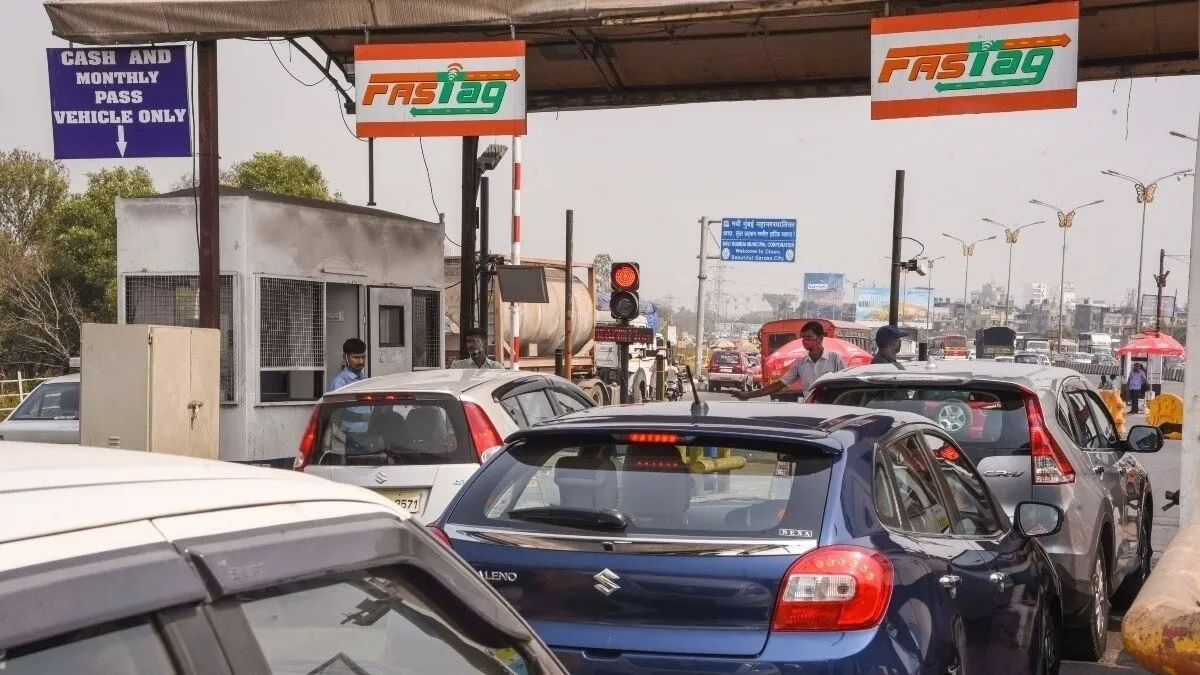
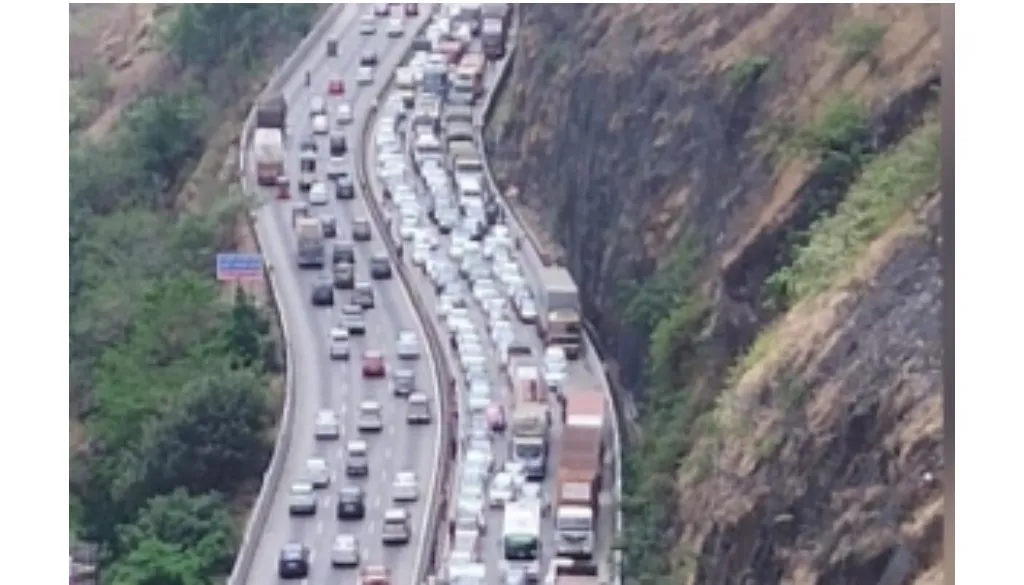
As cars and buses lined up in anticipation of the new route, officials reported heavy congestion due to the dual nature of the event—celebrating Maharashtra Day while inaugurating a crucial road link. Devendra Fadnavis expressed regret over the traffic chaos, stating, “The ‘missing’ is over… Maharashtra moves forward with stronger connectivity.”
This engineering marvel features tunnels, viaducts, and a spectacular 182-meter-high cable-stayed bridge over Tiger Valley—one of India’s tallest bridges—designed to withstand wind speeds up to 240 kmph. Speed limits have been set at 100 kmph for cars and 80 kmph for buses.
Initially, only light motor vehicles and passenger buses will be permitted on this route; heavy vehicles will not be allowed until at least October 31. Experts have raised concerns about potential visibility issues during monsoon and winter fog conditions, emphasizing the importance of road safety.
The economic implications are substantial as well. The expressway upgrade is projected to generate economic activity worth Rs 70,000 crore, further bolstering growth in Maharashtra’s economy.
Fadnavis’s comments highlight a commitment to improving infrastructure while acknowledging the immediate inconveniences faced by travelers. As this project unfolds, it promises not just enhanced connectivity but also a leap towards safer travel between two of India’s bustling cities.