“Lebanon’s government is responsible for halting direct talks with Israel,” stated Nayem Qasim, following a devastating attack that left five people dead and twenty-one injured in the southern region of Jezzine on April 28, 2026.
The casualties included four children and nine women, a stark reminder of the human cost of conflict. The Lebanese Health Ministry confirmed the details of the attack, which marked a blatant violation of a 10-day ceasefire previously established in the region. This incident underscores the fragile nature of peace in an area long marked by strife.
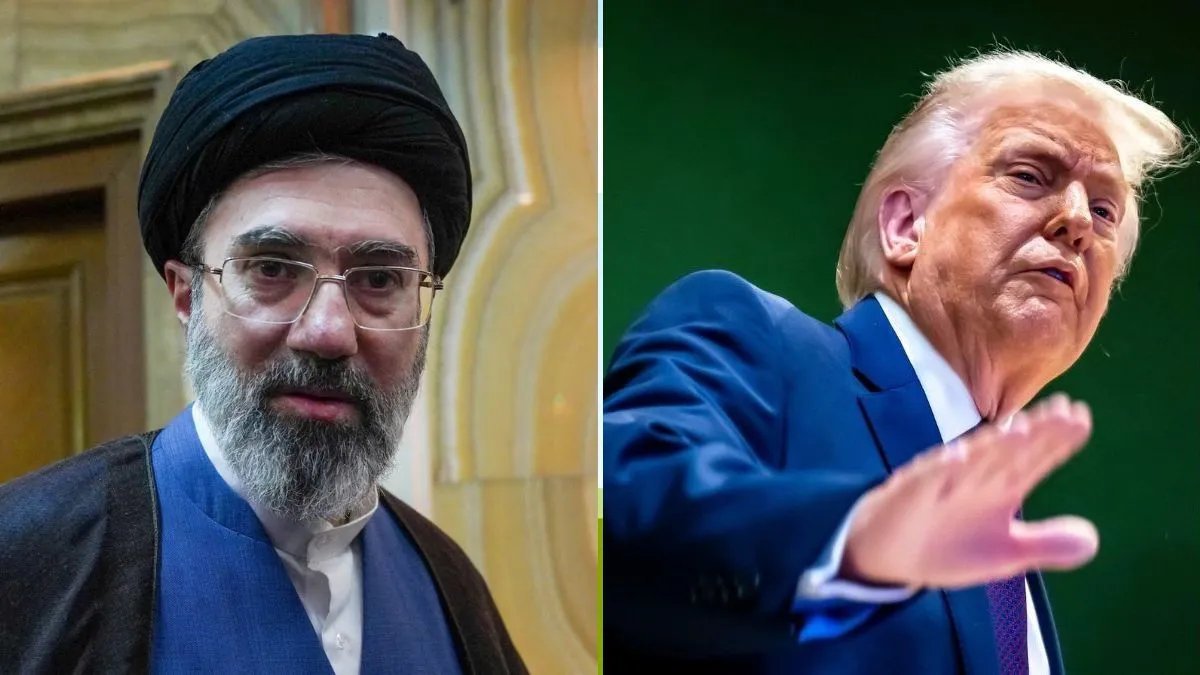
Israel’s actions have drawn international scrutiny. President Trump mentioned a 60-day deadline for Congress to authorize military force against Iran, emphasizing that “Iran wants to make a deal, but I am not satisfied.” His remarks reflect a growing tension surrounding Iran’s influence in Lebanon and its support for Hezbollah.
The backdrop to this violence is complex; Israel faces increasing hostility from various factions across Gaza, the West Bank, and southern Lebanon. Hezbollah has called for internal discussions within the Lebanese government to address Israel’s aggression and seek resolutions.
This latest escalation highlights an ongoing cycle of violence and retaliation that has plagued the region for decades. As leaders navigate these treacherous waters, the path towards lasting peace remains uncertain.