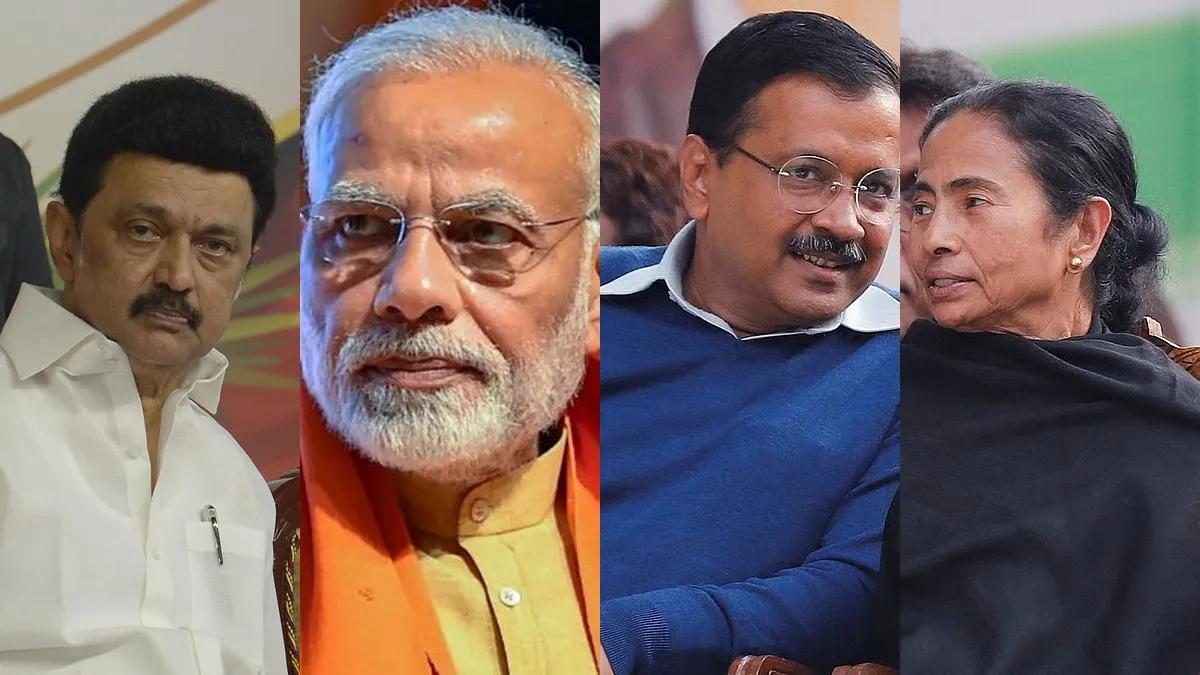
“How is it that the anti-incumbency wave is only seen in opposition-ruled states?” This provocative question from the DMK encapsulates a growing concern regarding the political landscape in India, particularly in BJP-ruled regions.
The DMK argues that while opposition parties face significant challenges from anti-incumbency, states governed by the BJP—like Madhya Pradesh, where the party has held power for nearly two decades—seem immune. The BJP’s successful re-elections in Bihar and Assam further underscore this anomaly.
In stark contrast, opposition parties have struggled against voter discontent in places like Delhi and Punjab. The DMK’s leadership, under Chief Minister M.K. Stalin, points to this disparity as a troubling puzzle that needs unraveling.
“We need to understand this reality,” they assert, highlighting how media narratives often portray the BJP as an unbeatable force, despite its failures. Rising prices and increasing unemployment are pressing issues that should resonate with voters, yet they appear overshadowed by religious sentiments during election cycles.
The DMK’s concerns extend beyond mere political rhetoric. They emphasize that voter fragmentation in northern states benefits the BJP, allowing it to maintain a grip on power even amid widespread dissatisfaction.
This situation raises further questions: Why are the actions of BJP-ruled states not weighed on the same scale as those of their opposition counterparts? As the DMK continues to challenge these narratives, they seek to bring attention to what they perceive as a skewed political landscape.
The discourse surrounding governance and anti-incumbency is evolving. With elections approaching, how these dynamics play out will be crucial for both ruling and opposition parties alike.