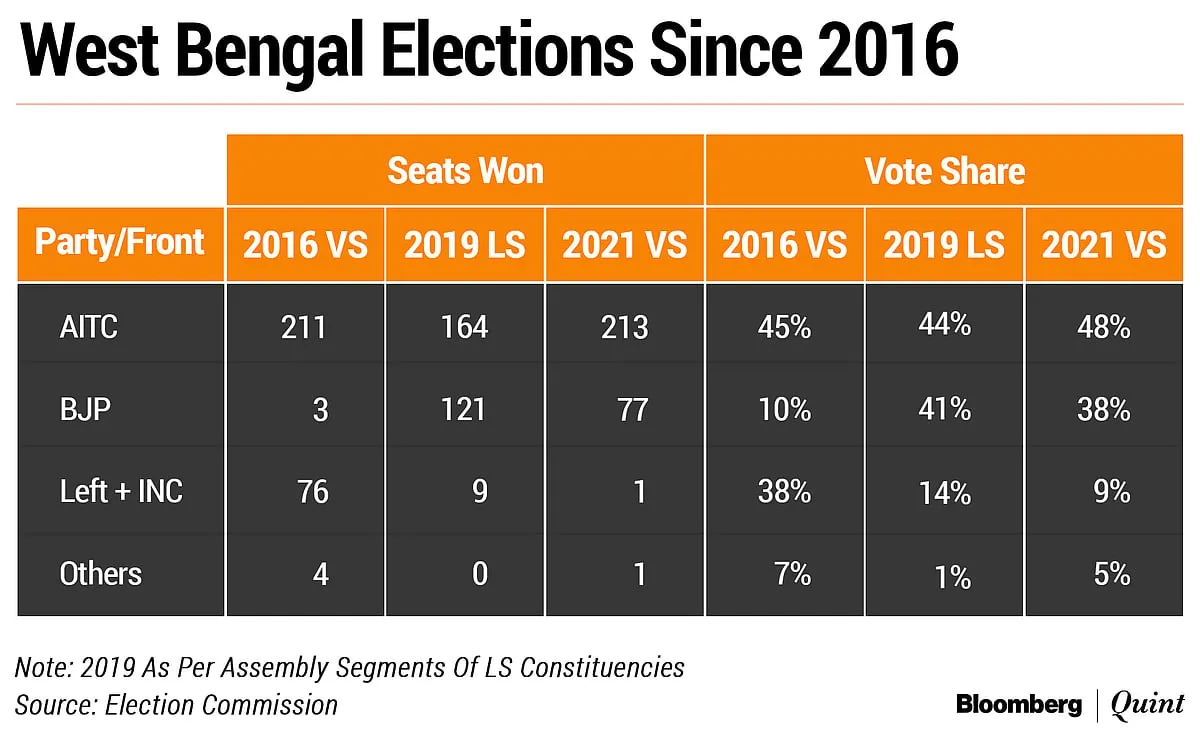
The voter turnout in West Bengal’s 2026 elections reached an impressive 89.99%, surpassing the previous record of 80.4% from 2021 for the same seats. This surge was unexpected, as analysts had anticipated a more subdued engagement due to the ongoing political tensions between the Bharatiya Janata Party (BJP) and the Trinamool Congress (TMC).
Before this decisive moment, many believed that voter apathy would prevail, particularly given Mamata Banerjee’s vocal criticisms of the BJP’s alleged attempts to manipulate the electoral process. Yet, as April 29 approached, a palpable energy filled the air, reminiscent of past elections that stirred passionate debates across the state.
The numbers tell a compelling story: Phase 1 of the assembly polls concluded with a record voter turnout of 92.25%. Purba Bardhaman emerged as a standout, recording 94.06% participation, while Bhabanipur trailed at 85.51%.
This remarkable turnout signals a shift in voter engagement and sentiment towards both major parties involved. The TMC, led by Mamata Banerjee, has rallied its base effectively, countering claims from Narendra Modi’s BJP that sought to undermine their influence.
Key statistics from the election:
- Overall turnout by 5 PM on April 29: 89.99%
- Phase 1 turnout: 92.25%
- Highest turnout in Purba Bardhaman: 94.06%
- Turnout in Hooghly: 90.34%
- Nadia recorded a turnout of: 90.28%
Mamata Banerjee has not held back her criticisms of the BJP throughout this process. “The BJP wants to rig this election,” she stated, questioning the integrity of central forces deployed during polling days.
The electoral process was largely peaceful—an encouraging sign amid earlier fears of violence or intimidation at polling stations. With over 1,448 candidates contesting for 142 assembly constituencies, every vote became crucial.
This significant uptick in voter participation may reshape political dynamics in West Bengal as it enters a critical phase ahead of future elections.