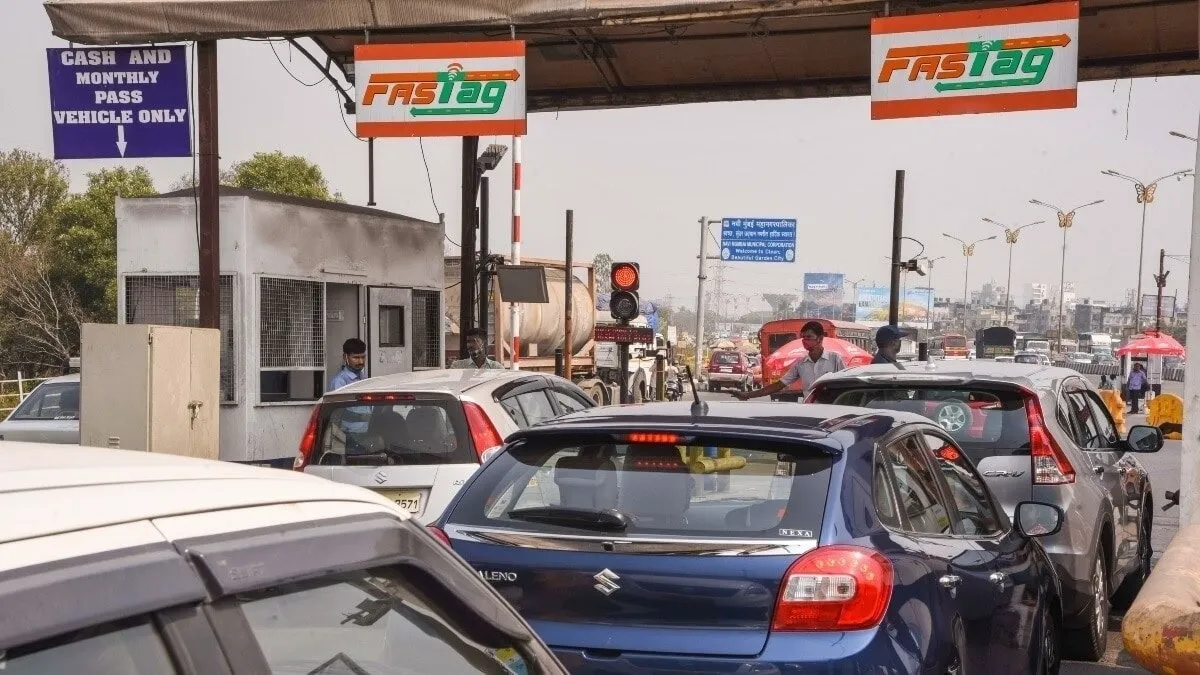
The introduction of a barrier-less tolling system in India is set to revolutionize travel on national highways, with the first implementation scheduled for December 1, 2026, at the Chorayasi Toll Plaza along the Surat–Bharuch section of NH-48 in Gujarat. This innovative system aims to eliminate the cumbersome process of stopping at toll plazas, allowing vehicles to pass seamlessly while ensuring efficient toll collection.
As part of this initiative, the government will phase out cash payments at toll booths, making FASTag or UPI mandatory for all travelers. The new system leverages advanced AI technology, utilizing cameras and sensors to scan vehicle number plates and FASTags in real-time.
Key features of the new tolling system:
- Vehicles can pass through toll plazas without stopping.
- Toll payments will be automatically deducted from linked bank accounts or wallets.
- Penalties will apply for vehicles lacking valid FASTags or with insufficient balance.
Nitin Gadkari, Minister of Road Transport and Highways, emphasized the transformative nature of this initiative, stating, “Now you will not have to stand in long queues at toll plazas or stop your vehicle.” His vision aims to make highway travel so smooth that drivers can reach their destinations without interruption.
To ensure compliance, QR codes will also be available for UPI payments should there be any failure with FASTag transactions. Drivers must remain vigilant—ensuring their FASTag is active and linked to their bank accounts will be crucial as entry to toll plazas may be restricted for repeated violations of these new rules.
The overarching goal is clear: the Indian government seeks to establish a cashless highway network that minimizes human intervention. As this ambitious project unfolds, it raises questions about how effectively it will be implemented across diverse regions and what challenges may arise during its rollout.