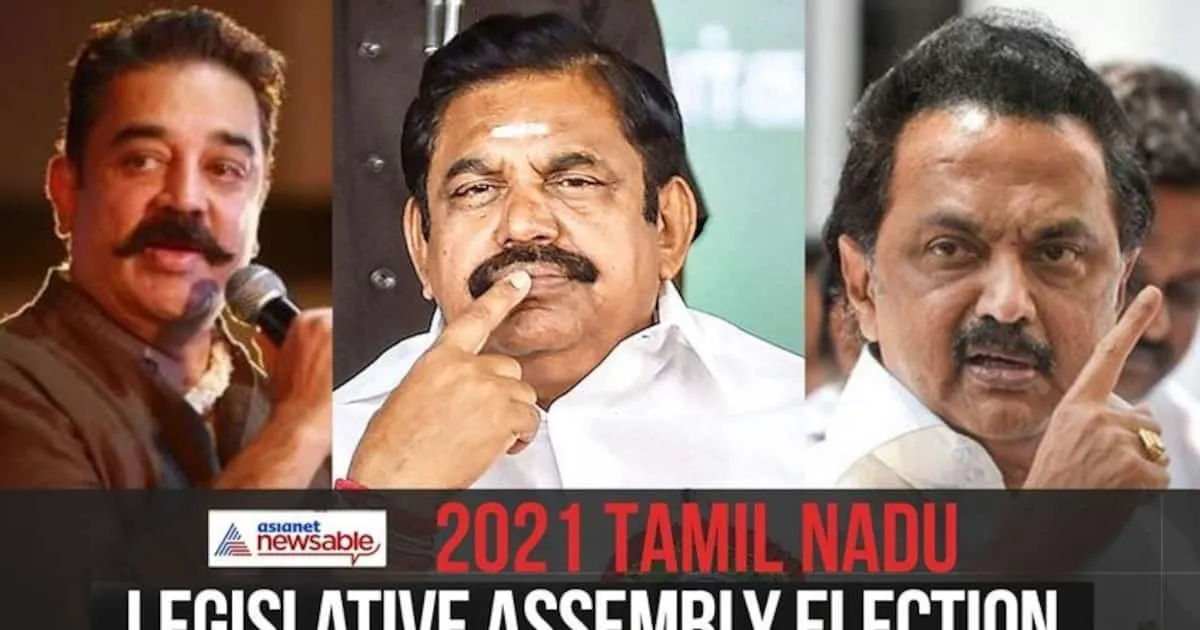
The atmosphere in Tamil Nadu is electric as the state gears up for the 2026 Tamil Nadu legislative assembly election on April 23. Chief Minister M.K. Stalin stands at a crucial juncture, seeking to become the first DMK leader to secure a second consecutive term in office.
The political landscape has shifted significantly since the last election in 2021, when the DMK emerged victorious after a decade of AIADMK rule. With the AIADMK now allied with the BJP, their campaign strategy has taken on new dimensions, aiming to reclaim power after five years in opposition.
As the campaign unfolds, tensions between the DMK and AIADMK alliances have escalated. The emergence of the Tamilaga Vettri Kazhagam (TVK), founded by actor Joseph C Vijay in 2024, adds another layer of complexity to an already charged atmosphere. Observers speculate about its potential impact—”It is unclear if the TVK will take away enough anti-DMK votes from the All India Anna Dravida Munnetra Kazhagam,” one analyst noted.
Voter turnout will be pivotal; historically, Tamil Nadu has seen robust participation at the polls. In 2021, turnout reached approximately 84 percent. As this election approaches, many wonder if that figure will hold or even increase, given the heightened stakes.
Key facts about the election:
- The total number of seats in the Tamil Nadu legislative assembly is 234.
- The majority mark required for governance is 118 seats.
- The election is viewed as a referendum on M.K. Stalin’s five years in power.
- The AIADMK aims to return to power after nearly five years of opposition.
- Friction between DMK and AIADMK-led alliances has characterized the campaign.
Stalin’s leadership will be scrutinized closely; many voters are eager to assess his achievements and shortcomings over his tenure. The stakes are high—not just for him personally but for Tamil Nadu’s political future as well. The results on April 23 will shape governance for the next five years and could redefine party dynamics across the state.