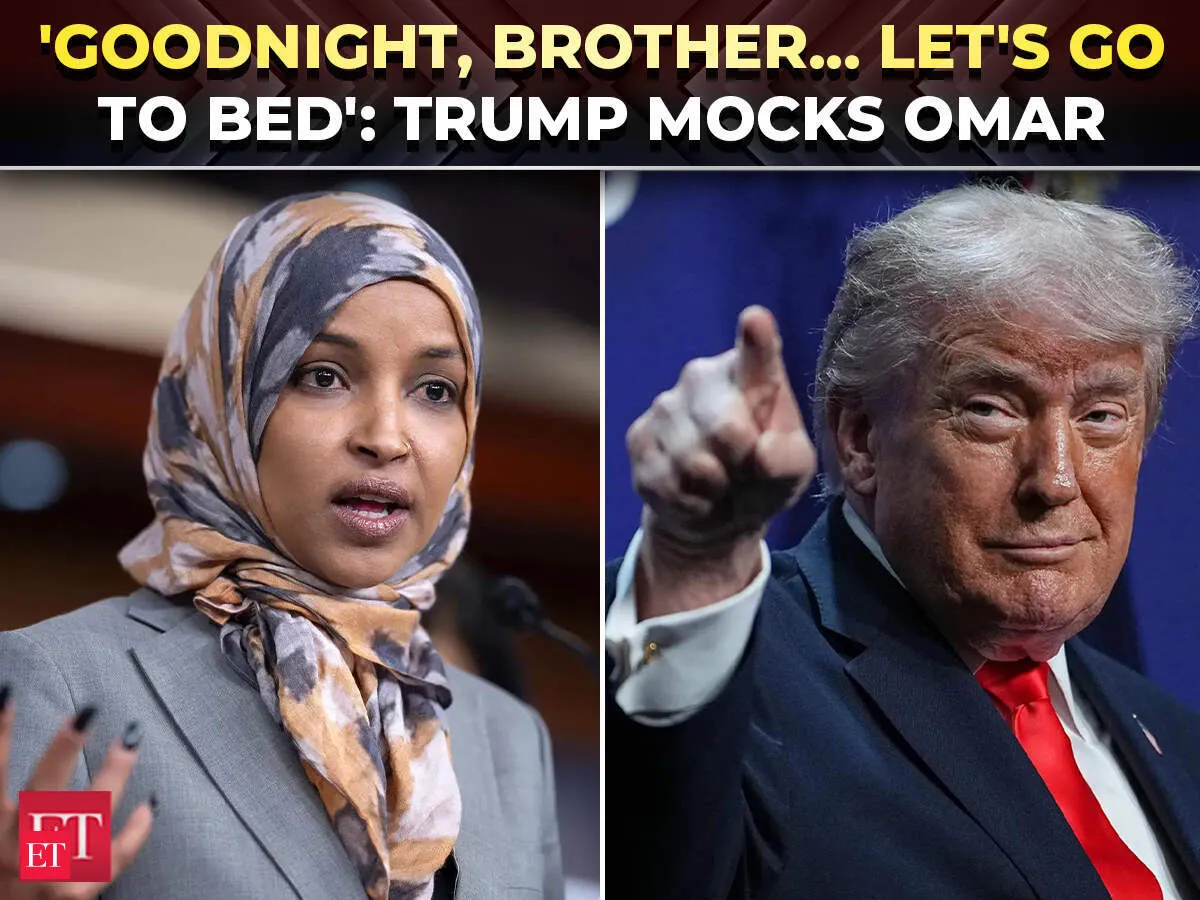
At a recent Trump rally in Florida, Donald Trump unleashed a barrage of mocking remarks aimed at Ilhan Omar, the Democratic Representative from Minnesota. His comments, which included accusations of her marrying her brother and calling her a “phony,” have reignited a fierce debate about his rhetoric towards immigrants and the broader implications for Muslim representation in the US Congress.
Before this latest outburst, the narrative surrounding Omar had been one of resilience against persistent rumors—specifically, allegations that she married her brother, which surfaced as early as 2016. These claims have been widely discredited but continue to resurface in political discourse. In contrast to Trump’s vitriol, Omar has often emphasized her journey from Somalia to becoming one of the first Muslim women elected to Congress, representing a significant milestone in American politics.
Trump’s decisive moment came when he claimed during his speech, “I believe she married her brother, which is totally illegal.” This statement not only escalated tensions but also sparked immediate backlash from various quarters. His derogatory descriptions of Somalia as a “filthy” and “dirty” place added fuel to an already charged atmosphere, drawing sharp criticism from those who advocate for immigrant rights and dignity.
Responses to Trump’s remarks were swift; Omar herself labeled his comments an “unhinged rant,” pointing out that they reflect more on him than on her. She stated, “This unhinged rant would solicit anger if it wasn’t coming from a criminal, who has 34 felony convictions.” Her retort highlights the stark contrast between their political narratives—one rooted in personal attacks and the other in calls for accountability.
As the immigration debate continues to evolve, experts suggest that Trump’s comments may further polarize public opinion. The backlash against his rhetoric illustrates a growing recognition of the need for respectful dialogue surrounding immigration issues. Political analysts note that such incendiary remarks can alienate moderate voters who may be sympathetic to immigrant experiences.
The ongoing controversy surrounding Omar’s alleged marriage is emblematic of larger societal tensions regarding identity and representation in American politics. As one of the first Muslim women elected to the US Congress, Omar embodies both progress and pushback against entrenched biases. Her presence challenges stereotypes while also exposing the vulnerabilities faced by minority voices.
In light of this incident, discussions about political rhetoric are more critical than ever. The intersection of personal attacks and policy debates continues to shape the landscape of American politics. With each rally and each comment made by figures like Trump, the implications for how immigrant communities perceive their place in society become increasingly pronounced.