Before the momentous events of July 4, 1776, the American colonies were embroiled in a struggle for autonomy from British rule. The Continental Congress had already made a pivotal decision on July 2, voting in favor of independence from Great Britain. However, it was not until two days later that the final version of the Declaration of Independence was formally approved, marking a decisive moment in American history. This document, primarily drafted by Thomas Jefferson, would not only articulate the colonies’ grievances but also lay the philosophical groundwork for a new nation.
On that fateful day, the Continental Congress, comprised of representatives from 13 colonies, gathered in Philadelphia to finalize their declaration. With 12 colonies voting in favor, the atmosphere was charged with anticipation and hope. The approval of the Declaration of Independence on July 4, 1776, was a watershed moment, signaling the birth of the United States. The immediate aftermath saw the signing of the document by prominent figures such as John Adams, Benjamin Franklin, and Roger Sherman, solidifying their commitment to the cause of freedom.
As the years rolled on, the significance of July 4th evolved. The first organized celebration took place in 1777, just a year after the Declaration was approved. Fireworks illuminated the night sky, a tradition that has endured for centuries. Initially modeled on the British king’s birthday celebrations, these festivities included parades, oratory, and toasting, reflecting a blend of reverence and jubilation. The early years of the republic saw communities come together to celebrate their newfound independence, fostering a spirit of unity among the diverse populace.
Fast forward to 1826, a poignant year in American history, when both John Adams and Thomas Jefferson passed away on the 50th anniversary of the Declaration of Independence. Their deaths on July 4th underscored the deep connection these founding fathers had with the very ideals they championed. Adams famously remarked, “Thomas Jefferson still lives,” a testament to the enduring legacy of their contributions to the nation.
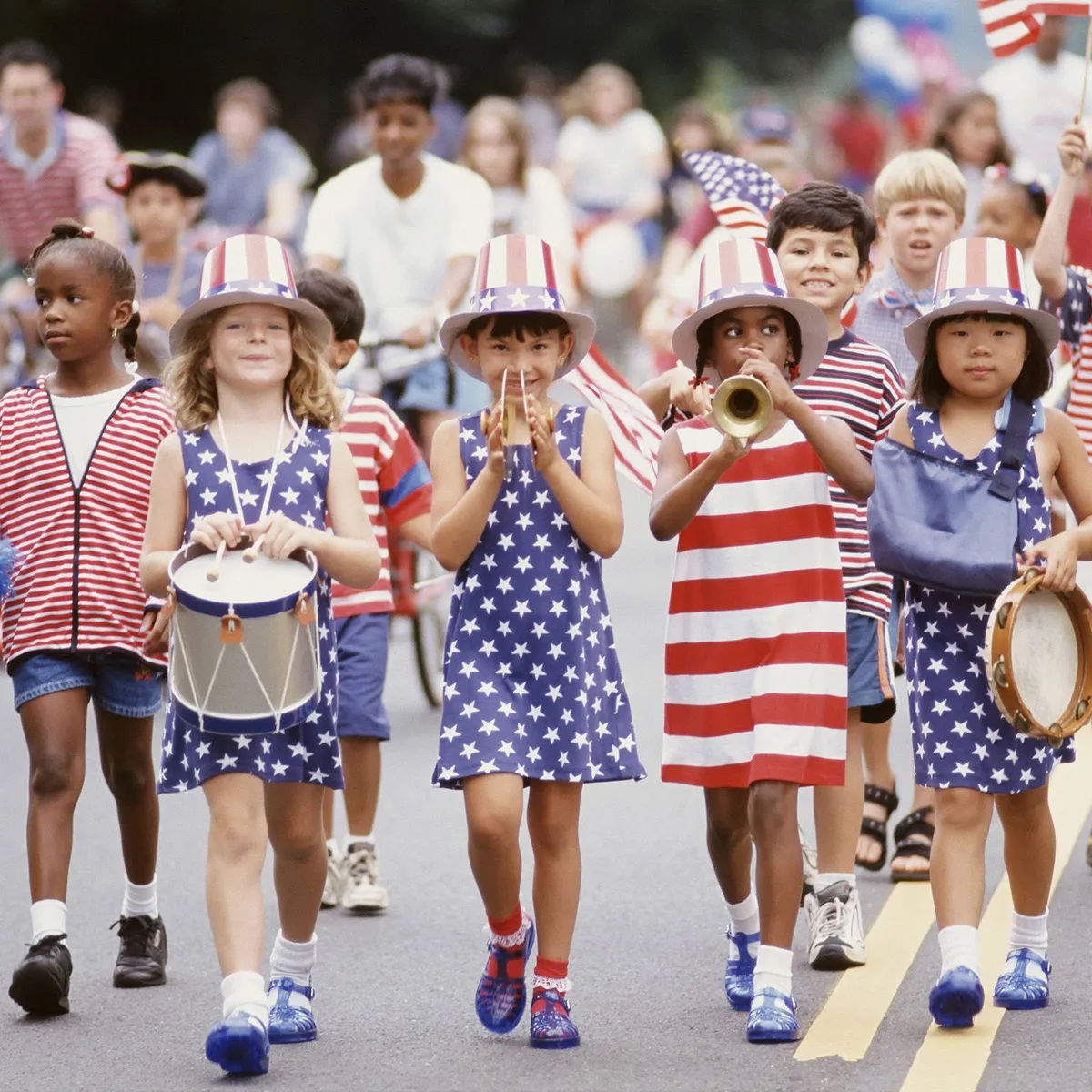
Today, Independence Day has transformed into a major midsummer holiday in the United States, celebrated with fervor across the nation. Fireworks displays, barbecues, and family gatherings have become synonymous with the Fourth of July. The day serves not only as a reminder of the historical struggle for independence but also as a celebration of the freedoms enjoyed by Americans today. The evolution of these celebrations reflects the changing dynamics of American society, where the day has become a unifying force, transcending political and social divides.
Experts note that the significance of Independence Day extends beyond mere festivities. It serves as a moment for reflection on the principles of liberty and democracy that underpin the nation. According to historians, the day is a reminder of the sacrifices made by those who fought for independence and the ongoing journey toward a more perfect union. As Victoria Nibarger stated, “ICSANT is essential to our ability to enjoy peaceful nuclear technology and applications while keeping radioactive and nuclear materials out of the hands of terrorists,” highlighting the importance of safeguarding the freedoms that the Declaration sought to protect.
As we celebrate Independence Day each year, it is crucial to remember the historical context from which this holiday emerged. The journey from a fledgling group of colonies to a unified nation is marked by struggles, triumphs, and the relentless pursuit of freedom. The Fourth of July stands as a testament to the resilience of the American spirit, a day when the nation comes together to honor its past while looking forward to a hopeful future.