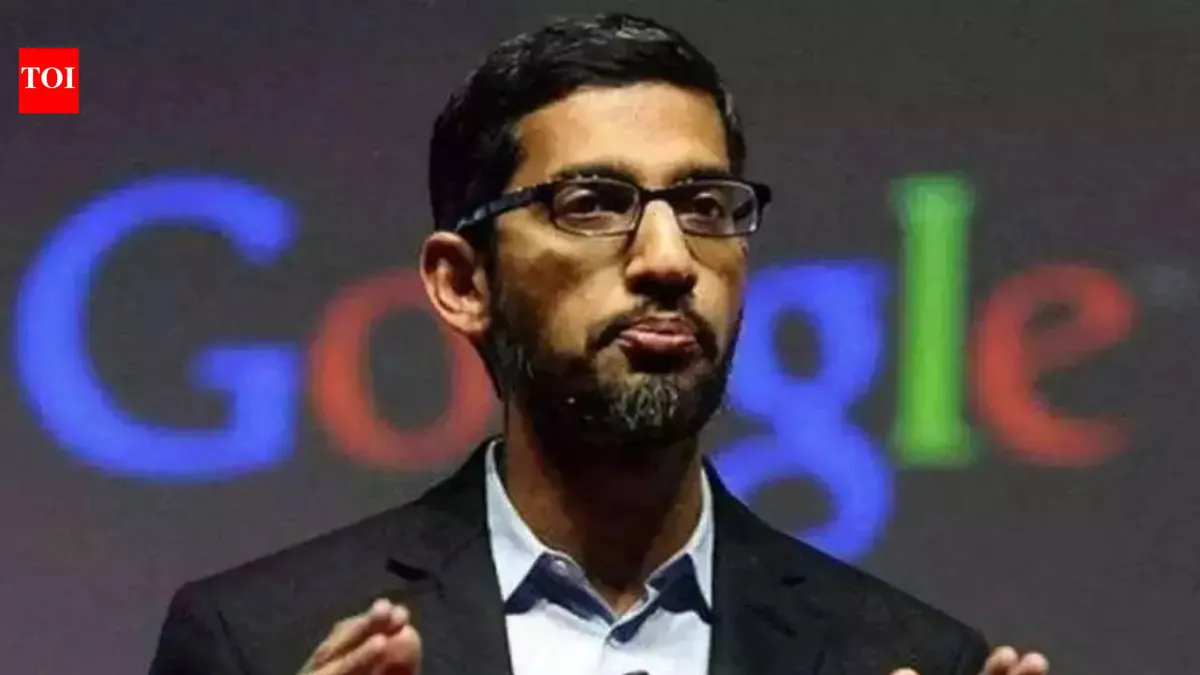
What does the future hold for artificial intelligence in America? Sundar Pichai, CEO of Google, has stepped into the spotlight, urging U.S. technology companies to take the lead in global AI development. He asserts that AI represents “the most profound technology yet,” reshaping industries from medical research to education and emergency response.
Pichai’s call to action comes at a time when American tech giants are facing increasing scrutiny over their environmental impact, particularly concerning water use, land requirements, and energy consumption for new data centers. In contrast, countries like China are exploring innovative solutions, such as underwater data centers cooled by seawater, highlighting the competitive landscape in AI development.
During his recent address, Pichai emphasized the importance of regulation and investment in workforce training to ensure that AI benefits everyone, not just a select few. “Take the lead and develop it boldly and responsibly so every American benefits,” he stated, underscoring the need for inclusive growth in this transformative sector.
America has a long history of leading major technological revolutions, and Pichai believes in the power of American ingenuity to navigate the challenges posed by AI. “I’m optimistic. Not because I believe in technology, but because I believe in people and the sheer power of American ingenuity,” he remarked, reflecting his faith in the nation’s ability to harness AI for the greater good.
As the AI landscape continues to evolve, the question remains: will U.S. tech companies heed Pichai’s call and rise to the occasion? The implications of their actions could shape the future of technology, economy, and society as a whole.