In a striking moment during an election rally in Jaipur, Yogi Adityanath attributed a powerful quote—often associated with Subhash Chandra Bose—to the revered figure of Swami Vivekananda: “Give me blood and I will give you freedom.” The statement sent ripples through political circles, igniting a firestorm of controversy.
Critics were quick to respond. The Trinamool Congress, led by vocal member Mahua Maitra, condemned Adityanath’s assertion. They emphasized that Swami Vivekananda did not utter those words, casting doubt on the historical accuracy of the Uttar Pradesh Chief Minister’s claims.
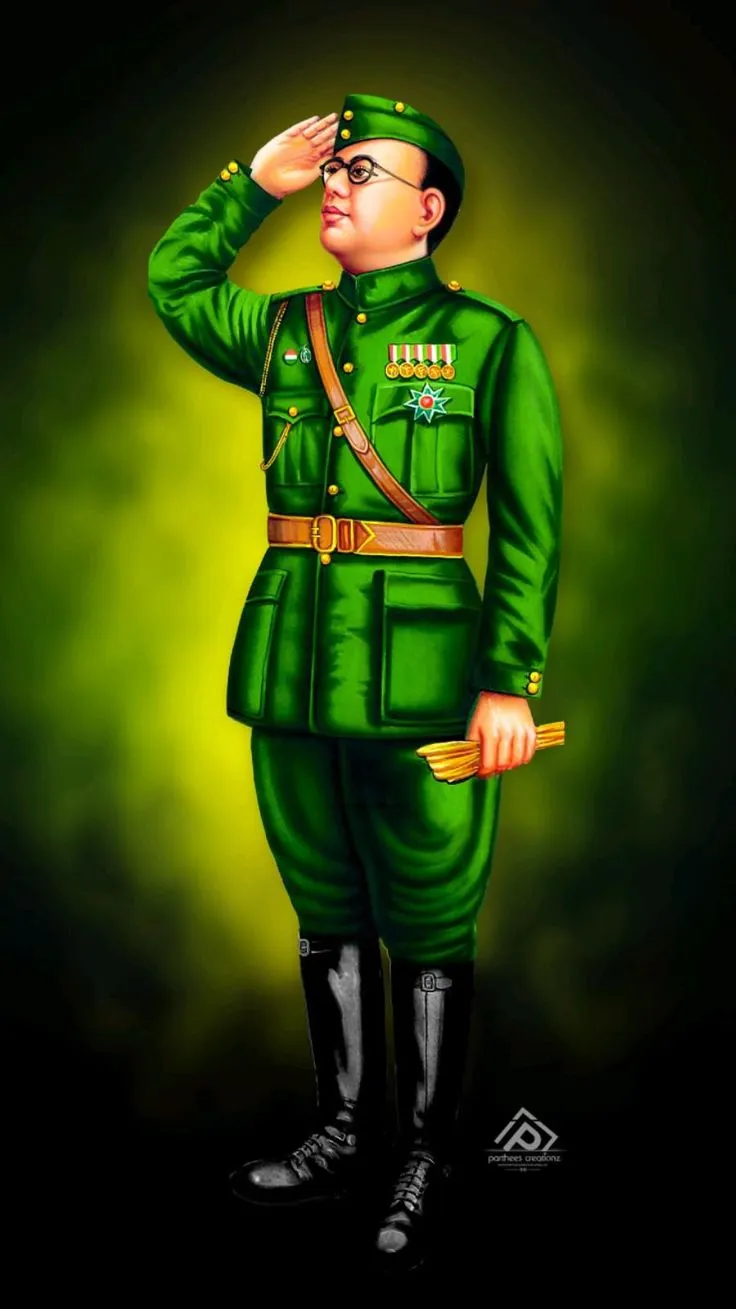
The quote itself is steeped in the fervor of India’s struggle for independence. Subhash Chandra Bose, a pivotal figure in the fight against British rule, used it to galvanize support during tumultuous times. His call to action resonated deeply with those yearning for freedom.
Yet, this incident raises broader questions about historical knowledge and its interpretation in contemporary politics. How often are figures like Bose and Vivekananda invoked without regard for accuracy? This incident is not merely about one misattribution; it reflects a pattern where historical narratives are shaped to suit current agendas.
Adityanath’s remarks were made amidst a charged political atmosphere, where every word can sway public opinion. The stakes are high as elections loom on the horizon, and leaders often reach for iconic figures from India’s past to bolster their messages.
But this isn’t just about political maneuvering; it’s also about respect for history. Misattributing quotes can distort public understanding of influential figures who fought valiantly for India’s independence.
As observers sift through the fallout of this incident, they note that it underscores a troubling trend: the casual appropriation of historical figures for political gain. Details remain unconfirmed as to whether Adityanath will address the backlash or clarify his comments further.
The reverberations of this controversy may extend beyond Jaipur. It serves as a reminder that history is not merely a backdrop; it is an active participant in shaping present-day discourse.
As the election approaches, both supporters and critics will be watching closely. Will this incident influence voter sentiment? Only time will tell how deeply this misstep will resonate in the minds of the electorate.