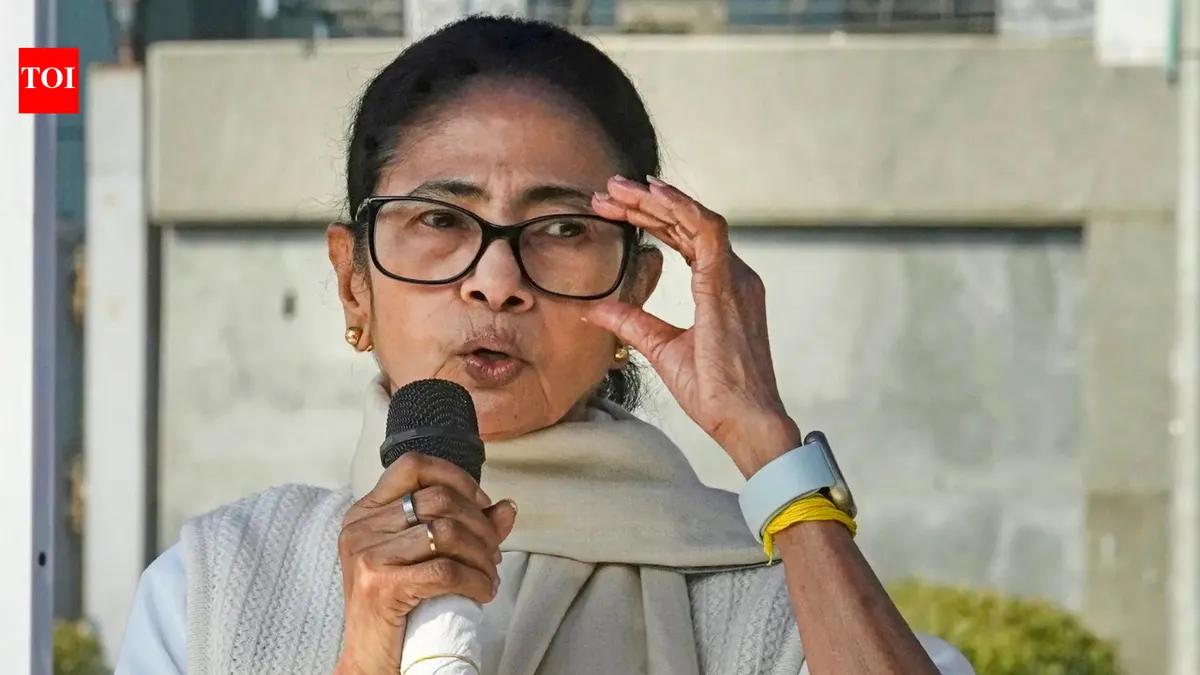
In a stunning political upset, Mamata Banerjee, the long-serving Chief Minister of West Bengal, lost her home constituency of Bhabanipur to BJP’s Suvendu Adhikari by a margin of 15,105 votes. After three consecutive terms, this defeat not only marks a significant personal loss for Banerjee but also signals a troubling shift in the political landscape.
Before this election, expectations were high for Banerjee. Having previously won Bhowanipore in a bypoll after losing to Adhikari in Nandigram, she seemed poised to reclaim her stronghold. The atmosphere was charged with anticipation—her supporters rallied with fervor, believing that her legacy would continue unchallenged.
However, the decisive moment came on election day when the numbers told a different story. Suvendu Adhikari garnered 73,917 votes, while Banerjee received just 58,812 votes. The voter turnout was remarkable at 92.47 percent, the highest recorded since Independence, yet it was the BJP that emerged victorious amidst allegations of electoral manipulation.
Mamata Banerjee claimed that the election process was tainted—she accused Adhikari’s party of looting votes and manipulating the system. Her words echoed through the streets of Bhabanipur, where TMC workers expressed disbelief and frustration. One TMC worker simply stated, “We have nothing to say,” embodying the shock and dismay that enveloped her supporters.
The direct effects of this defeat are profound for both parties involved. The BJP’s victory in Bhabanipur is part of a larger trend; they secured 177 seats overall and were leading in an additional 31 out of 293 assembly seats. In contrast, TMC managed to win only 61 seats, with 18 still uncertain.
This shift has prompted political analysts to reassess the dynamics in West Bengal. Some experts suggest that Banerjee’s loss could signify waning support for the TMC amidst rising discontent from voters regarding governance issues. Others point out that such high voter turnout typically reflects intense public engagement—indicating that many were eager for change.
The implications are far-reaching; as Mamata Banerjee stated confidently, “TMC would come back to office,” but how and when remains uncertain. The road ahead is fraught with challenges as her party grapples with this unexpected setback while critics seize upon the opportunity to question her leadership.
As West Bengal navigates this new political terrain, one thing is clear: Bhabanipur has become a microcosm of larger electoral trends in India—a battleground where traditional loyalties are being tested and redefined.