Anticipation builds for semi-final clashes
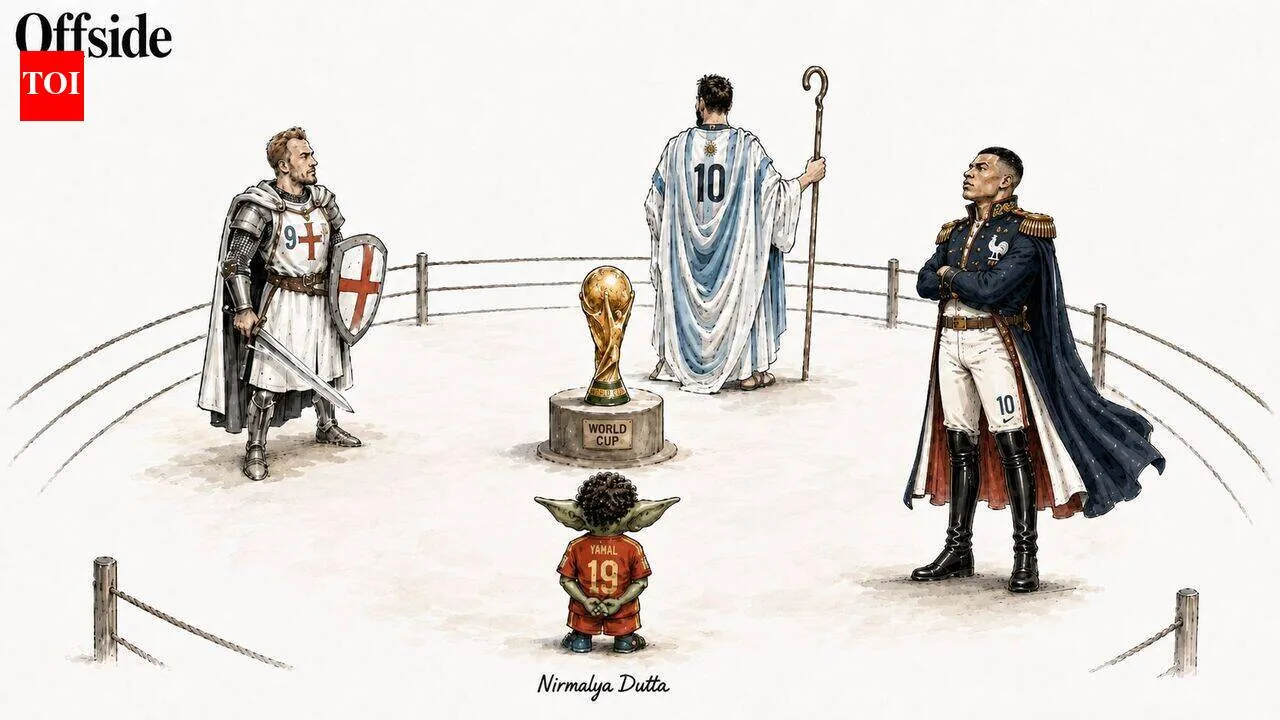
The World Cup semi-finals are set to feature the top four ranked teams globally: France (ranked 1), Argentina (ranked 2), Spain (ranked 3), and England (ranked 4). This marks the first time since the introduction of FIFA rankings that the semi-finalists comprise the world’s top four teams. The upcoming matches promise intense competition, with Spain facing France on Tuesday and Argentina taking on England on Wednesday.
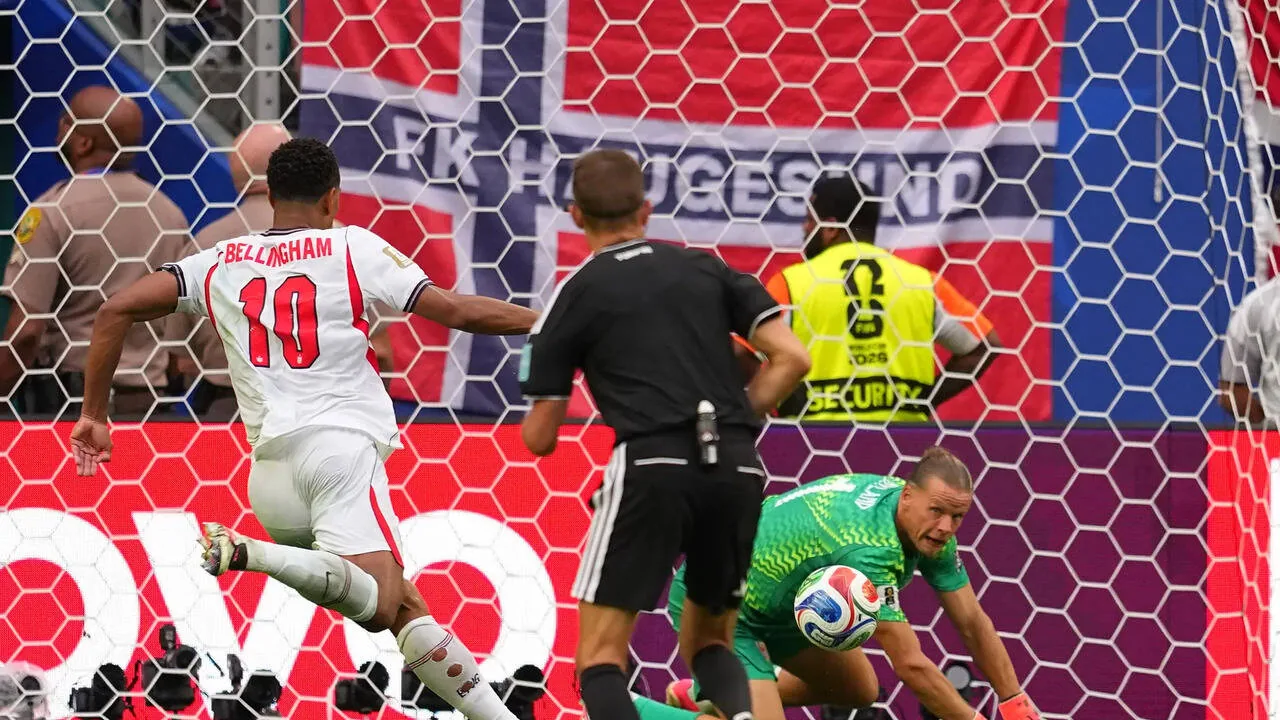
These semi-final encounters bring together nations with significant footballing histories and rivalries. The scarcity of World Cup games means each match carries immense weight, drawing large audiences and becoming memorable cultural moments. For instance, over 17 million viewers in the UK watched England’s recent win over Norway, highlighting the widespread interest in these tournaments.
Historical narratives and team dynamics
Spain enters the semi-finals having previously reached this stage only once, securing a 1-0 victory against Germany in 2010. That match saw Carles Puyol score a 73rd-minute header, showcasing their controlled style of play. Despite a history of underachievement before Euro 2008, Spain has a strong record in the latter stages of tournaments, winning five of their six Euro semi-finals and four of their five major finals. However, they did lose to France in the 1984 Euro final and a memorable Euro 2000 quarter-final where Raúl missed a late penalty.
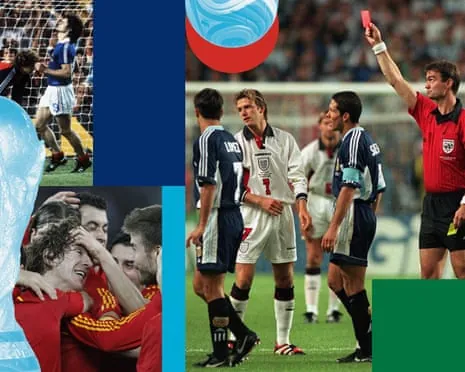
France, their upcoming opponent, also carries its own historical burdens, particularly from semi-finals. The 1982 game in Seville against West Germany is often cited as a traumatic event in French football history, marked by a severe foul on Patrick Battiston by goalkeeper Toni Schumacher. Despite leading 3-1 in extra-time, France eventually lost in the World Cup’s first penalty shootout. They also suffered another semi-final defeat to West Germany four years later. However, France has since achieved three successive semi-final victories, which may have eased some of these anxieties.
The rivalry between England and Argentina is deeply rooted in history, featuring numerous iconic moments. These include Bobby Charlton’s goal in 1962, the sending off of Antonio Rattín in 1966, the “Hand of God” incident in 1986, David Beckham’s red card in 1998, and Michael Owen’s collapse over Mauricio Pochettino’s leg in 2002. Their last encounter was a friendly in Geneva in 2005, which saw Michael Owen score two late goals to secure a win for England after Juan Román Riquelme had seemingly inspired Argentina to victory.
England also faces its own semi-final traumas, including a penalty shootout defeat to West Germany in 1990 and a collapse against Croatia in 2018. In the current tournament, England has made strides by winning at the Azteca, a venue historically associated with the “Hand of God” incident. The next challenge for England is to overcome Argentina in a knockout match.
Current form and key players
The current France squad, led by Kylian Mbappé, is described as formidable. They are chasing a third consecutive World Cup final appearance. Their path to the semi-finals included a challenging match against Paraguay in the Round of 16 and a victory over Morocco. Mbappé has been a central figure, scoring in five of France’s six games, with eight goals and three assists in this edition of the tournament. He now has 20 World Cup goals, placing him one behind Lionel Messi.
Argentina, the defending champions, have navigated a challenging route to the semi-finals. Their campaign began with Messi scoring a hat-trick against Algeria and a brace against Austria. In the knockout rounds, they secured a 3-2 victory over Cabo Verde, came back from 2-0 down against Egypt, and defeated Switzerland 3-1 in extra time with goals from Julián Álvarez and Lautaro Martínez. Argentina aims to be the first nation since Brazil in 1962 to retain the World Cup.
The semi-final line-up features a host of star players, including Lionel Messi, Kylian Mbappé, Lamine Yamal, and Harry Kane. These players are expected to play pivotal roles in their respective teams’ bids for a place in the final. Jude Bellingham of England, with two goals against Norway in the quarter-final, became the sixth player in the men’s tournament’s history to have consecutive multi-goal games in the knockout stage.
The first World Cup goal was scored by Lucien Laurent of France against Mexico in a 4-1 victory, just 19 minutes into the match.
Read Also
- England eye World Cup final despite mixed performances, Kane says 'another level' possible
- England and Argentina renew historic rivalry in World Cup semi-final
- Airline wager sees Norwegian Air adopt British Airways' colours after World Cup quarter-final
- Zverev reflects on Wimbledon runner-up finish and Sinner's dominance
Source: theguardian.com