Fifa’s decision on Balogun sparks controversy
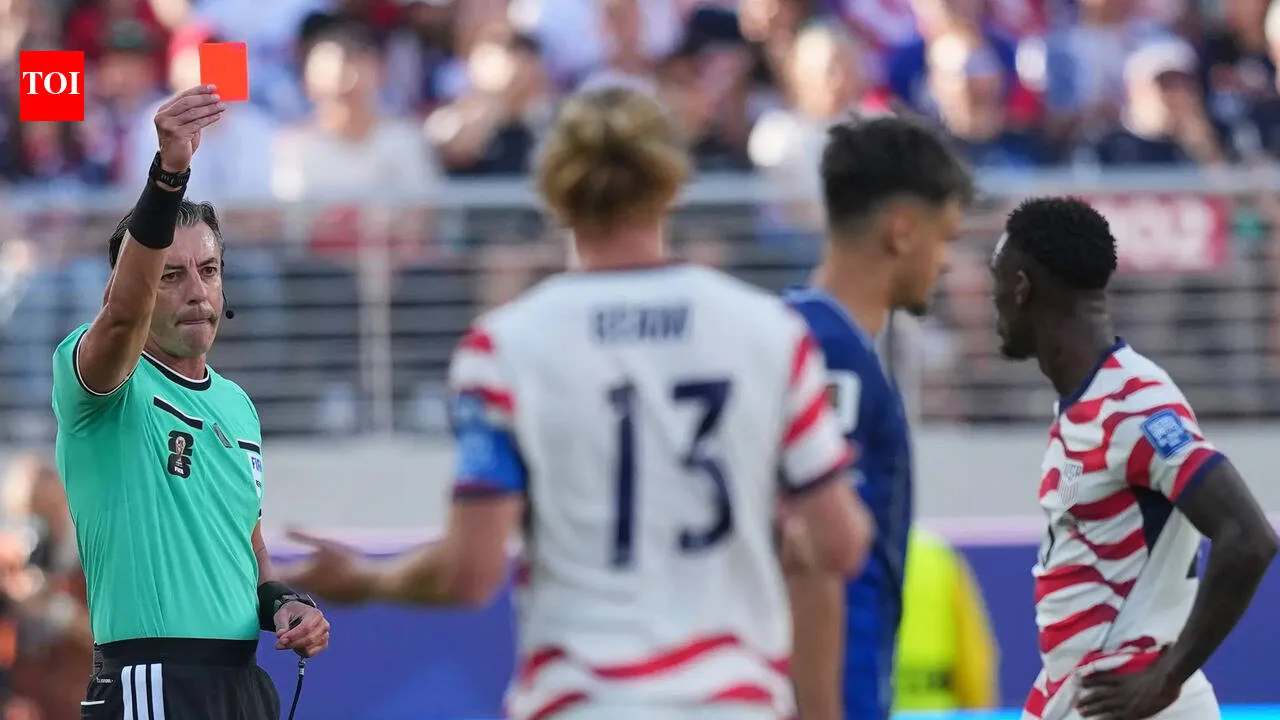
Fifa has faced strong criticism following its decision not to uphold an automatic ban for United States striker Folarin Balogun at the World Cup 2026. Balogun, who received a red card against Bosnia-Herzegovina, was expected to serve a suspension for the last-16 match against Belgium. However, Fifa opted not to enforce an immediate sanction, making him available to play.
Uefa described Fifa‘s intervention as “unprecedented, incomprehensible and unjustifiable,” stating that it “crossed a red line.” The organisation highlighted that automatic suspensions are a fundamental principle embedded in regulations and that such a decision undermines the integrity and credibility of the game. Of the 188 red cards issued at the World Cup, only one other player, Brazil‘s Garrincha in 1962, avoided a suspension, a situation that occurred before automatic bans were in place and was reportedly influenced by political interference.
Reports indicate that Balogun‘s reinstatement followed a phone call between US president Donald Trump and Fifa president Gianni Infantino. President Trump later thanked Fifa for “reversing a great injustice.” This intervention has drawn further scrutiny, with former Fifa president Sepp Blatter stating that “football must never become a playground for political power.”
The decision has led to mixed reactions. While many US fans and head coach Mauricio Pochettino expressed satisfaction, Belgium head coach Rudi Garcia criticised the ruling, and the Belgian federation is reportedly reviewing its legal options. Norway head coach Ståle Solbakken also called it a “bad decision” that could taint any potential victory for the United States.
Tuchel questions consistency in disciplinary actions
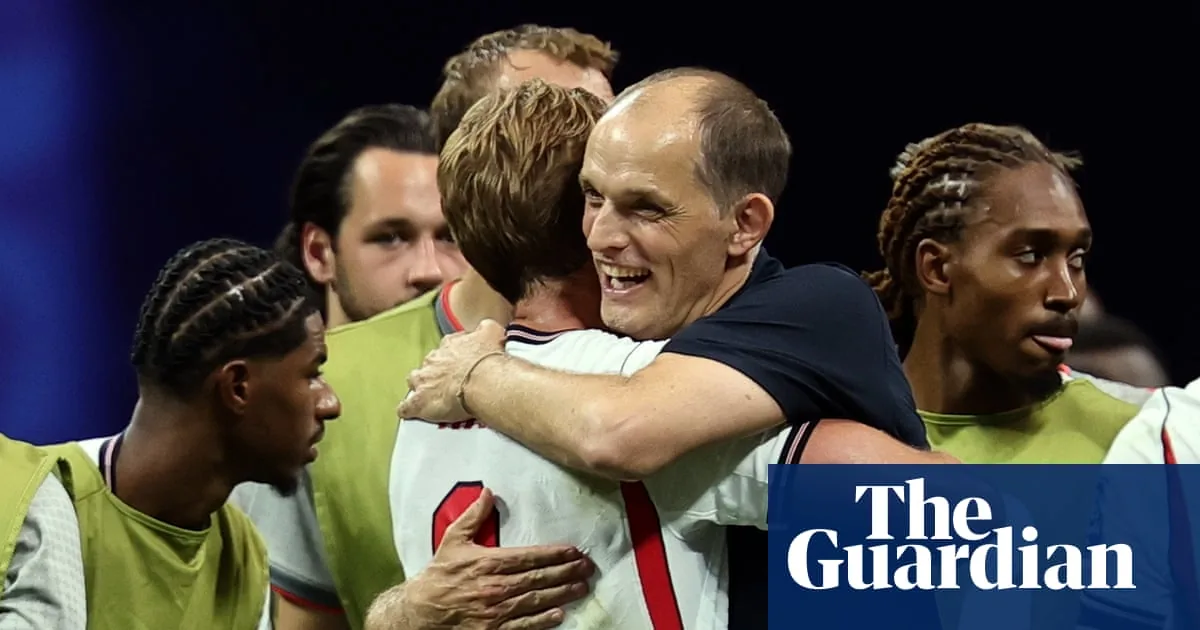
England coach Thomas Tuchel has voiced concerns about the disciplinary process at the World Cup following the decision regarding Balogun. After Jarell Quansah was sent off in England‘s 3-2 victory over Mexico, Tuchel was asked about petitioning Fifa to cancel Quansah‘s ban before the quarter-final against Norway.
Tuchel questioned the consistency of decisions, asking, “Where does this start and where does this end now? Can we overturn it or not overturn it? What’s going on?” He expressed confusion over where to draw the line regarding appeals and the overturning of decisions, particularly those involving Video Assistant Referee (VAR).
Both Balogun and Quansah were sent off after VAR reviews. Tuchel believes that VAR intervention has introduced uncertainty into the rules. He argued that Quansah‘s challenge, initially not deemed a foul by the referee, was overturned by VAR, leading to a red card. Tuchel highlighted that decisions based on still images from VAR can be problematic.
He further questioned the process, stating, “Who overturns this decision and when and on what grounds? And how far does this go now? It’s just strange for me. We just want to have consistency in the decisions.” Tuchel indicated that he would wait to see how the situation develops, acknowledging his lack of answers regarding the rules.

Quansah was the 13th player to be sent off at the World Cup 2026. His red card was for catching Mexico‘s Jesus Gallardo high on the shin. Balogun‘s red card was issued after his foot landed on the ankle of Bosnia‘s Tarik Muharemovic. Apart from Balogun, the other 12 players who received red cards have served a suspension for at least their country’s subsequent World Cup match.
Fifa’s disciplinary clause and its implications
Fifa‘s decision to lift Balogun‘s suspension was made under a clause in its disciplinary code that permits the organisation to “fully or partially suspend the implementation of a disciplinary measure.” This action contradicts the tournament’s regulations, which state that a red card automatically results in a suspension from the team’s next match.
The lifting of Balogun‘s ban means his suspension is now on probation for one year. If he commits a similar offence during this period, the suspension will be activated in addition to any further disciplinary action. This approach has raised questions about the precedent it sets for future disciplinary decisions within the tournament.
Uefa‘s statement emphasised that if the certainty of rules is not guaranteed, the integrity of the game and the credibility of the competition are at risk. The organisation also noted that such a decision creates a precedent, requiring similar situations in the ongoing tournament to receive equal treatment, which could be detrimental to the competition.
The controversy surrounding Balogun‘s red card and its subsequent overturning has become a significant talking point, with Blatter‘s remarks adding to the scrutiny of Fifa‘s handling of disciplinary matters.
Read Also
- Toronto: Portugal advances to World Cup round of 16 after dramatic win over Croatia
- Portugal advance to face Spain after VAR drama in World Cup 2026
- Switzerland defeats Algeria 2-0 to advance to World Cup Round of 16
- Germany seeks talks with Jurgen Klopp after Julian Nagelsmann resigns following World Cup exit
Source: bbc.com