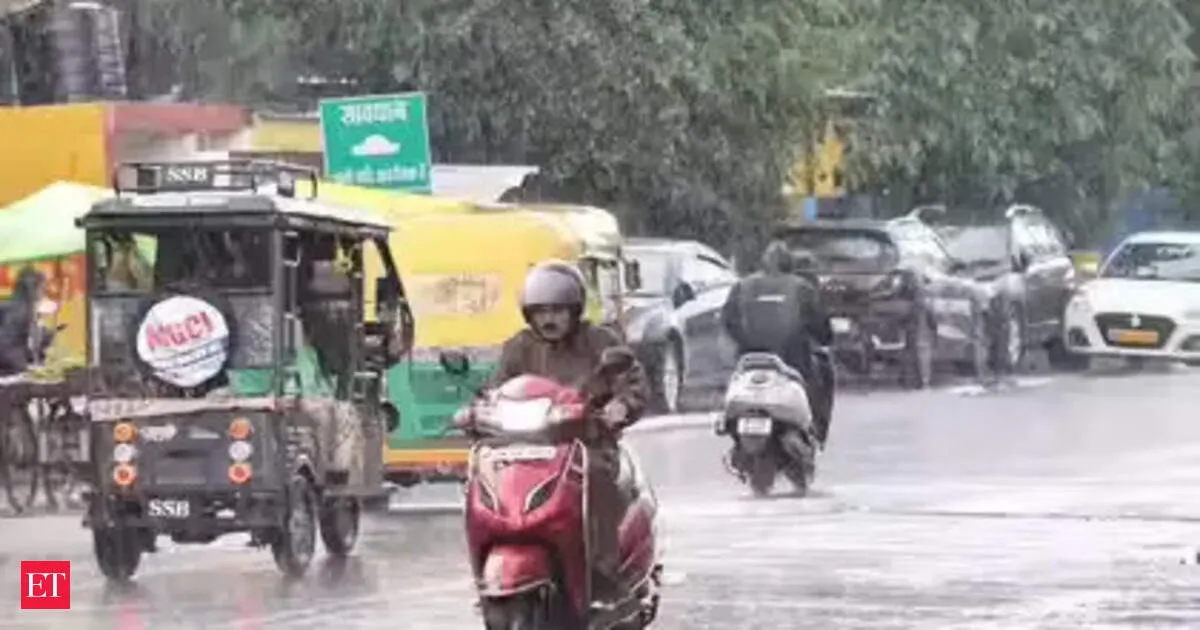
India is currently under the grip of a severe heat wave, with temperatures soaring above 40°C in many regions. On this day, May 3, 2026, Delhi is set to reach a maximum temperature of 40°C, while cities like Ahmedabad will blister at 43°C. Meanwhile, northern states are experiencing a contrasting weather pattern with intermittent rainfall and even possible snowfall in higher altitudes.
The Indian Meteorological Department has issued weather alerts across various states due to the escalating temperatures and humidity levels. For instance, Hyderabad is bracing for a maximum temperature of 41°C, characterized by dry heat and gusty winds. In contrast, Kolkata expects a milder day with moderate rain chances and a maximum temperature of 34°C.
Rajasthan is feeling the brunt of this heat wave, where pockets are sweltering above 42°C. Uttar Pradesh is also facing persistent warm conditions, with temperatures reaching up to 40°C. The heat stress phenomenon is increasingly impacting urban life, affecting travel, health, and electricity demand across cities.
In the coastal city of Chennai, relief might come in the form of isolated showers as it anticipates a maximum temperature of 35°C. However, for those in Jammu and Kashmir, the forecast brings a different narrative: light rain and potential snowfall at higher elevations, where temperatures are expected to range from 7°C to 15°C.
The stark contrast in weather patterns across India raises questions about climate variability. As urban areas grapple with rising temperatures—where many cities report minimums around 24°C—the northern hills offer a refreshing but unpredictable respite.
Key Weather Predictions:
- Delhi: Max temperature of 40°C with thunderstorms expected.
- Hyderabad: Max temperature of 41°C with dry conditions.
- Kolkata: Max temperature of 34°C with moderate rain chances.
- Chennai: Max temperature of 35°C with isolated coastal showers.
- Rajasthan: Extreme heat pockets exceeding 42°C.
- Ahemadabad: Hottest city today at 43°C.
- Jammu and Kashmir: Light rain and possible snowfall at higher altitudes.
This unusual weather pattern has left many wondering how climate change might be influencing these extremes. Observers note that such fluctuations could lead to more frequent weather alerts as urban heat stress continues to rise—a reality that demands urgent attention from policymakers and citizens alike.