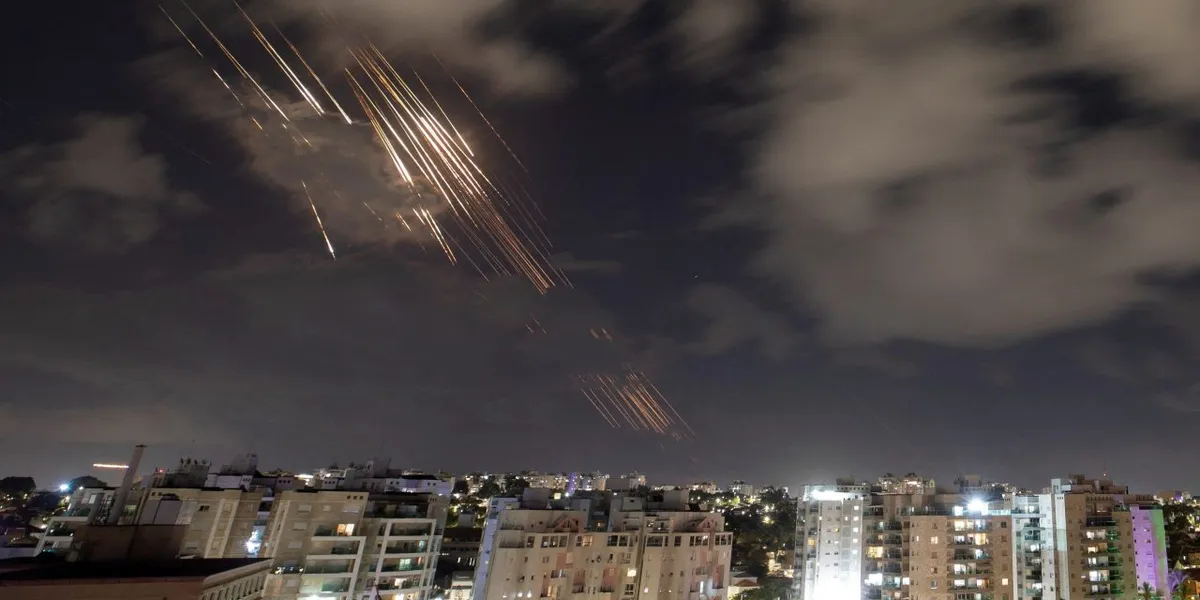
In a surprising turn of events, Donald Trump announced a temporary pause to the US military’s ‘Project Freedom’ operation in the Strait of Hormuz on May 6, 2026. This decision comes as both nations grapple with escalating tensions and a cargo vessel was recently struck by an unknown projectile in this crucial maritime corridor.
The pause is intended to assess whether a comprehensive agreement with Iran could be achieved. Trump urged Iran to ‘do the smart thing’ and negotiate, emphasizing that he does not wish for further violence. Meanwhile, Iranian President Masoud Pezeshkian has accused the US of maintaining a policy of ‘maximum pressure’, complicating the already fraught diplomatic landscape.
In this context, it is essential to consider the broader implications. The Strait of Hormuz is not just a geographical point; it is a pivotal artery for global oil transport, accounting for about one-fifth of the world’s oil supply. The Gulf shipping crisis has heightened concerns over security and stability in this region, making any shift in US military operations particularly significant.
Key developments:
- The US military operations have reportedly concluded, according to Senator Marco Rubio, who stated, ‘The operation is over – Epic Fury – as the president notified Congress.’
- US forces stand ready to resume combat operations against Iran if necessary, indicating that while diplomacy may be on the table, military readiness remains paramount.
- Iran’s foreign minister has engaged with China’s top diplomat for discussions, suggesting Tehran is seeking support from its allies amid increasing isolation.
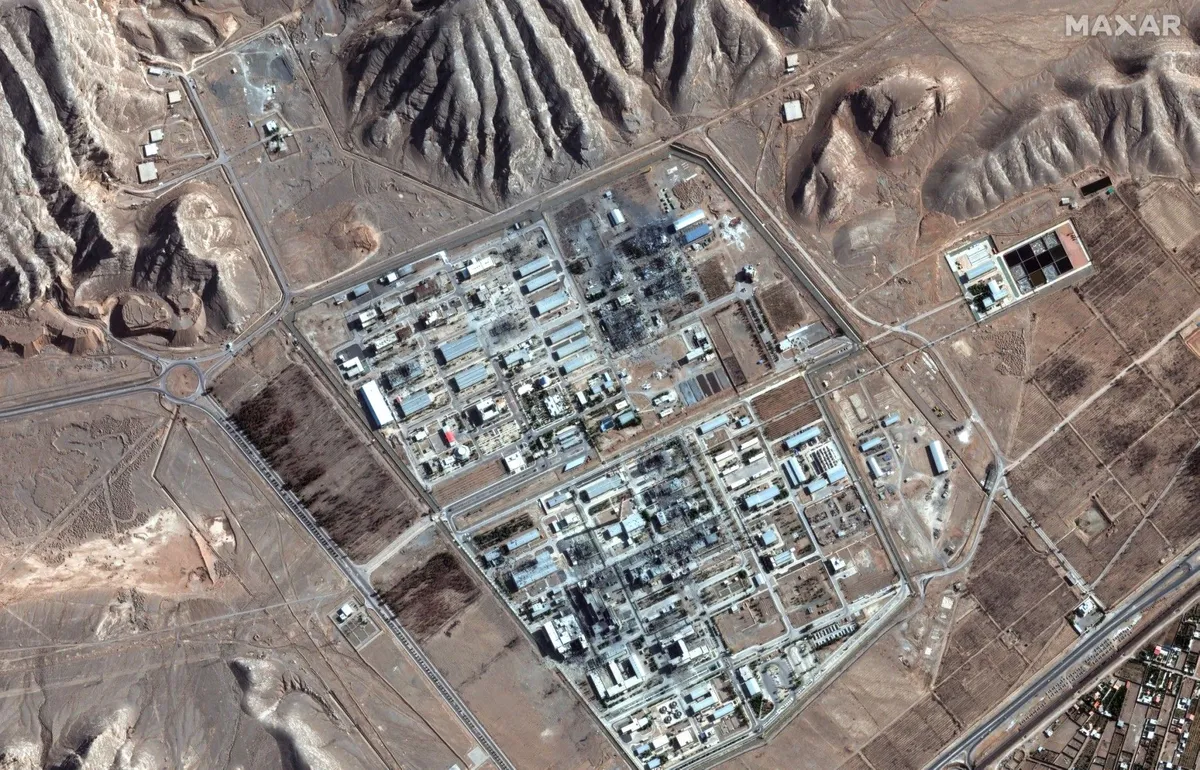
As reactions unfold, officials from both sides are weighing their next moves carefully. Trump’s administration appears optimistic about the potential for dialogue but remains vigilant regarding Iran’s nuclear ambitions and regional activities. This delicate balance could determine whether negotiations will yield tangible results or lead back to confrontation.
The situation remains fluid. With Trump’s call for negotiation echoing through diplomatic channels and Iranian leaders responding with caution, all eyes will be on how these developments shape future interactions between the two nations.