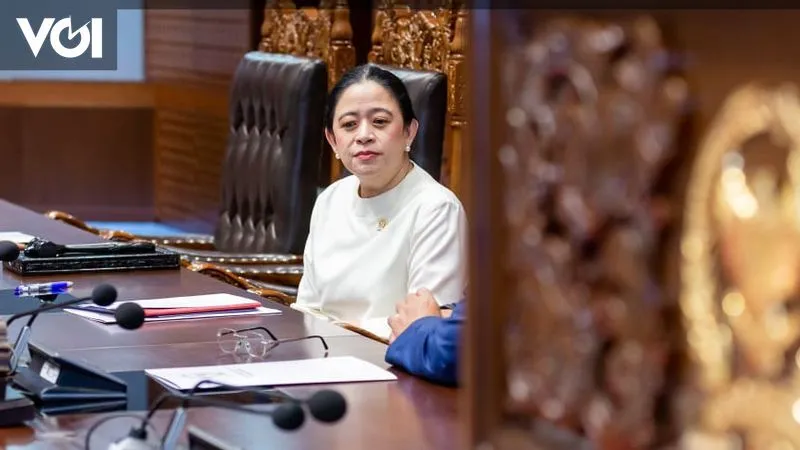
As the sun rose over Jakarta on May 1, 2026, the air buzzed with anticipation. Thousands gathered for the annual May Day celebrations, a day that symbolizes the fight for workers’ rights. Among them was Puan Maharani, a prominent political figure and advocate for labor reform, who stood ready to address a pressing issue: the urgent need for stronger worker protections amid fears of mass layoffs.
In her speech, Puan emphasized that this year’s May Day should serve as a serious pressure point for the government to act decisively. She articulated the workers’ collective voice, stating that they had made 11 demands, with the elimination of outsourcing at the forefront. This demand echoed through the crowd, resonating with those who felt vulnerable in an increasingly precarious job market.
Puan highlighted a stark reality: the potential layoff of 9,000 workers loomed large over many families. “This demand should be read on a large scale: policies for jobs actually increase uncertainty in workers’ lives,” she warned. The threat of job loss cast a shadow over what should have been a day of celebration.
As she spoke, Puan pointed out that achieving the ambitious target of creating 19 million jobs over five years would be nearly impossible without first strengthening Indonesia’s industrial foundation. Her call to action was clear—without robust employment policies and regulations governing outsourcing, countless livelihoods remained at risk.
Puan also recognized the plight of digital transport workers—those navigating Jakarta’s bustling streets as online drivers and delivery personnel. Their income and job security should not be considered marginal issues, she argued; rather, they are central to any comprehensive labor reform discussion.
Yet amidst these discussions of policy and reform, tragedy struck recently with a train accident in East Bekasi that claimed several lives—workers returning home after long shifts. This incident underscored Puan’s assertion that the state must ensure safe transportation and adequate facilities for workers’ families.
Puan’s vision extended beyond immediate reforms; she insisted that all workers deserve equal protection under Indonesian law, including domestic workers and those in non-traditional employment roles. Her advocacy reflects a growing recognition that modern employment practices require updated frameworks to safeguard worker rights.
As May Day concluded, the atmosphere was charged with both hope and anxiety. Workers left with renewed determination but also a palpable sense of urgency regarding their demands. The path forward remains uncertain—officials have not yet responded to these calls for reform—but Puan’s message resonated deeply with those who seek stability in an unpredictable landscape.