Noskova’s path to the final
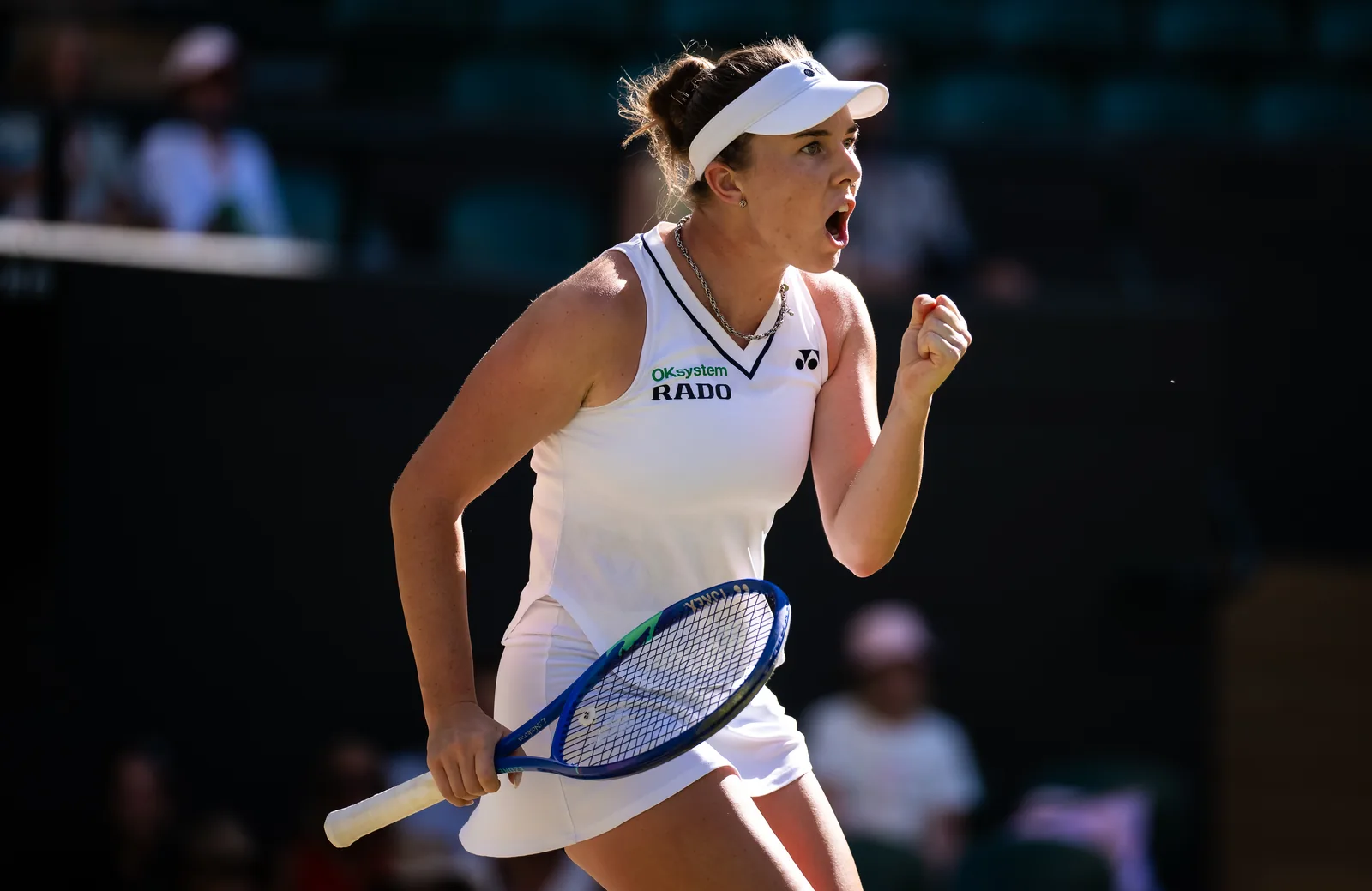
Linda Noskova secured her place in the Wimbledon final by defeating Marta Kostyuk with a score of 6-4, 6-4. The match, which lasted just one hour 19 minutes, saw Noskova deliver a composed performance. This victory marks Noskova’s first major final appearance in her career.
Noskova maintained a strong presence on her serve throughout the match, facing only one break point. She capitalized on Kostyuk’s errors, breaking her opponent three times, including when Kostyuk served to stay in both sets. Noskova’s consistent serving was a key factor in her win, particularly in the second set where her first serve percentage was notably higher.
The 21-year-old Noskova arrived at Wimbledon having previously won the Berlin Open title. Her recent form on grass courts has been strong, winning more grass-court matches than any other woman on tour since the start of last season. She expressed her focus on the upcoming final, stating that she typically processes success after a tournament concludes.
Match dynamics and key moments
The semi-final encounter between Noskova and Kostyuk began with both players settling quickly into their serves. Early in the match, opportunities for breaks were scarce, with both competitors winning an equal number of points through the first eight games. The turning point in the first set came when Kostyuk, serving to stay in the set at 4-5, faltered under pressure.
Noskova seized the opportunity, creating three set points. Although Kostyuk saved the first, a double fault handed the first set to Noskova. Following this, Noskova’s serve became even more dominant, delivered with a consistent rhythm that is a characteristic of her game. She noted that she has been working on her serve for a couple of years, considering it her most powerful tool on grass or hard courts.
In the second set, Noskova secured an early break. Despite Kostyuk’s efforts to rally and engage the crowd, Noskova remained steady, dictating play from the baseline. Kostyuk managed to earn and convert her first break point midway through the second set, briefly leveling the score. However, Noskova quickly regained control, holding her serve and eventually closing out the match when Kostyuk made unforced errors under pressure.
An all-Czech final awaits
Noskova’s victory sets up an all-Czech final against Karolina Muchova, who defeated Coco Gauff in her semi-final match. This marks the first time two women from the same nation will compete in a Grand Slam final since the 2017 U.S. Open. The final on Saturday will crown a first-time women’s champion for the ninth consecutive time at Wimbledon.
Noskova shared her anticipation for the final, describing Muchova as a great fighter and an incredible player. She expressed happiness at playing her first final against a fellow countrywoman. Noskova also mentioned her various superstitious routines, which she intends to maintain leading up to the final, including specific meal choices and using the same facilities.
The success of Czech female players at Wimbledon has been a notable tradition. Noskova will aim to follow in the footsteps of compatriots such as Martina Navratilova, Jana Novotna, Petra Kvitova, Marketa Vondrousova, and Barbora Krejčíková, who have previously lifted the singles trophy. Noskova, at 21 years old, becomes the youngest finalist since Jelena Ostapenko in 2018.
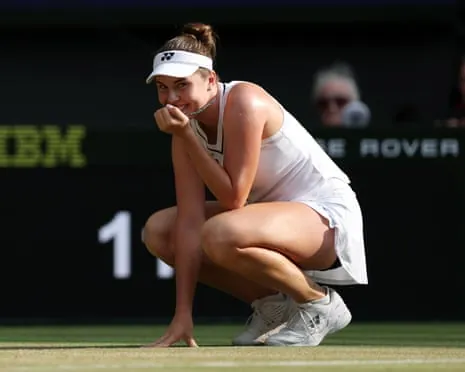
Kostyuk, despite her loss, concluded her Wimbledon campaign with applause from the crowd. She had arrived in strong form, having reached the French Open semi-finals and winning 21 of her previous 22 matches before Wimbledon. Kostyuk acknowledged Noskova’s serving quality, stating it was exceptional and left her with limited opportunities to break.
Read Also
- Germany seeks talks with Jurgen Klopp after Julian Nagelsmann resigns following World Cup exit
- World Cup 2026: Tuchel questions disciplinary process after Balogun decision
- Norway's Erling Haaland suggests pressure is on England ahead of World Cup quarter-final
- Kylian Mbappé continues strong World Cup performance as France faces Morocco
Source: theguardian.com