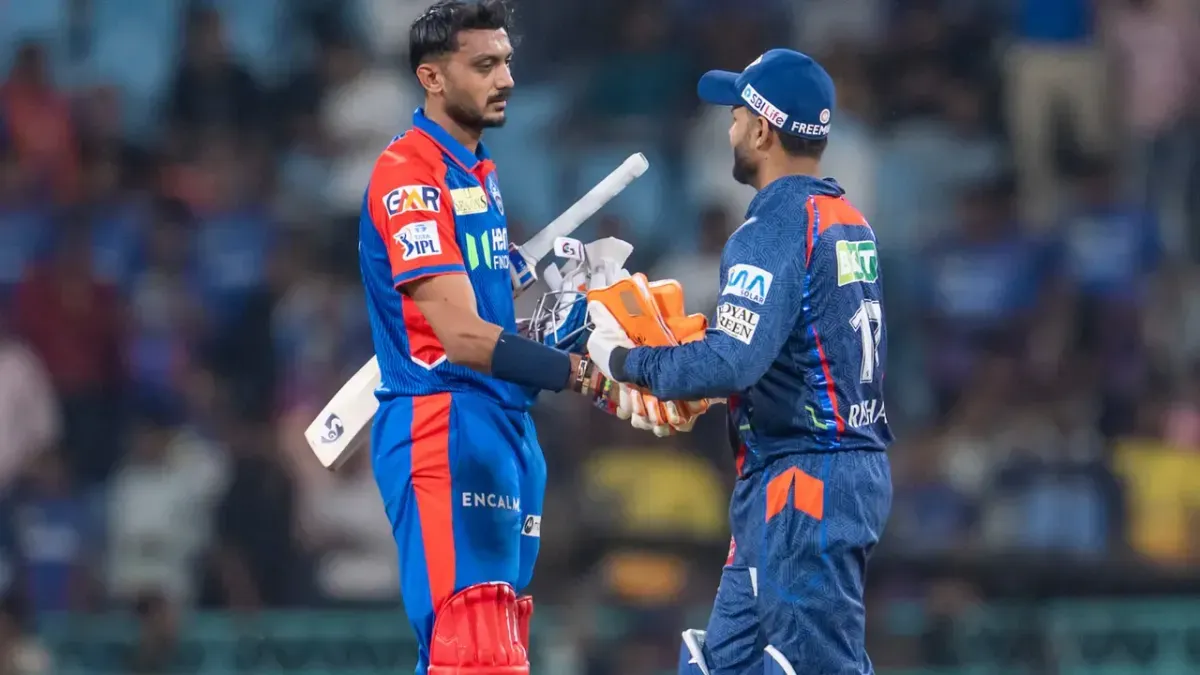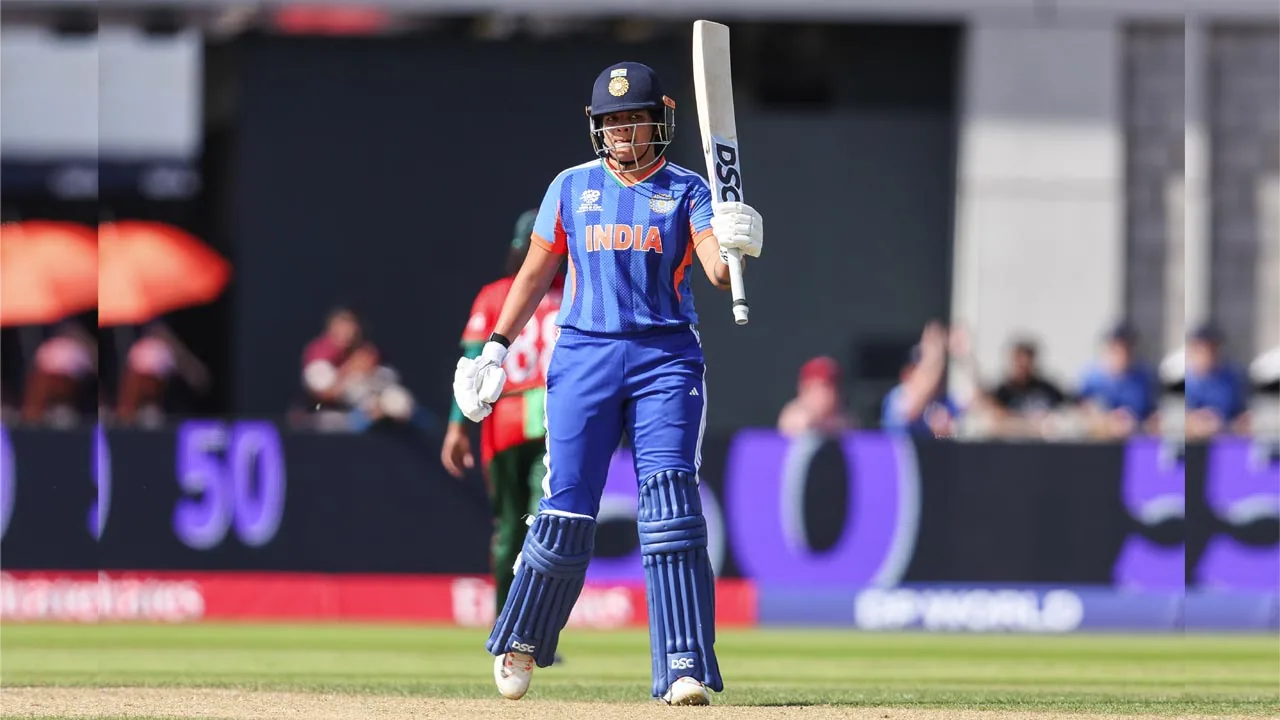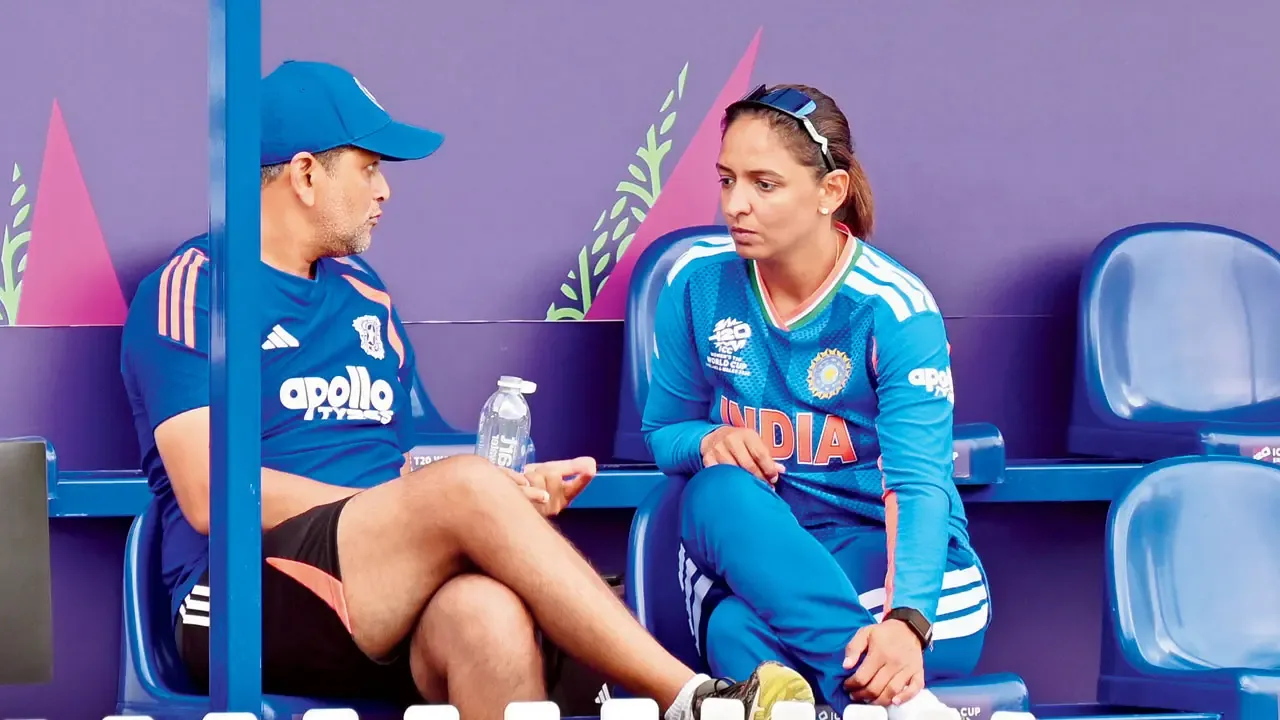
Following India’s early exit from the ICC Women’s T20 World Cup, former India women’s team captain Diana Edulji has voiced her opinion that it is time for a change in the team’s T20 captaincy. Edulji believes that Harmanpreet Kaur has “stagnated” in the role and advocates for a new leader with fresh ideas and strategies.
India failed to progress beyond the knockout stage of the T20 World Cup, marking their second consecutive group-stage exit in the tournament under Harmanpreet’s leadership. The team’s elimination was sealed after a six-wicket loss to Australia in their final league game at Lord’s on Sunday, following an earlier defeat to South Africa by the same margin at Old Trafford in Manchester.
Calls for a strategic overhaul
Edulji, an Arjuna and Padma Shri awardee, emphasized the need for a strategic overhaul within the Indian women’s cricket team. She suggested that the team should consider having separate squads and captains for the T20 and 50-over formats. According to Edulji, playing all formats can be taxing for players, affecting their fitness and overall performance.
She highlighted the importance of identifying specialist T20 players and training them at the BCCI’s Centre of Excellence. Edulji mentioned players like Bharti Fulmali and Richa Ghosh as examples of individuals who could be developed specifically for the T20 format. She also proposed the idea of having different coaches for ODIs and T20Is to bring in new perspectives and improved strategies.
Despite her admiration for Harmanpreet as a player, Edulji stated that it is time to move on from her as the T20 captain. She suggested that Harmanpreet could continue as a player, but a new captain is needed to inject fresh tactical approaches and bowling changes. Edulji’s remarks came on the same day the selection committee decided to retain Harmanpreet as captain for the upcoming Asian Games in Japan.
Edulji pointed out that the World Cup failure presented an opportune moment for making difficult decisions. She expressed concern that the team might have entered a “comfort zone” and called for a stronger second string of players to ensure healthy competition for spots in the squad. This, she believes, would motivate players to perform consistently.
The former India captain also criticized the team’s fielding, noting that they dropped 11 catches during the tournament. She stressed that while the BCCI provides support and the team has qualified for the 2028 Los Angeles Olympics, tough decisions are necessary to prevent a further decline in performance.
Addressing player development and domestic cricket
Edulji further recommended several measures for improving Indian women’s cricket. She emphasized the critical need to find new fast bowlers who can fill the void left by legendary players like Jhulan Goswami. She suggested rigorous training for pacers to ensure they can consistently bowl their full quota of overs.
Another key recommendation was making it mandatory for top, star players to participate in domestic cricket tournaments. Edulji believes this would benefit young women cricketers by allowing them to play alongside experienced professionals, mirroring a practice already implemented in men’s cricket. She argued that if this means skipping lucrative overseas T20 leagues, it should be considered acceptable for the greater good of domestic talent development.
Regarding the Women’s Premier League (WPL), Edulji suggested increasing the size of the boundaries to match international women’s cricket standards. She explained that this would challenge players to hit boundaries with more power, preparing them better for international competitions where clearing the field can be more difficult.
Edulji also highlighted the importance of focusing on fundamental aspects of the game, such as fielding, catching, bowling, and batting. She proposed organizing separate camps for these skills, including a specialized camp for wicketkeepers, noting that the team currently relies heavily on Yastika Bhatia, who has faced fitness issues. Bhatia’s performance in the 2026 T20 World Cup, where she scored 41 runs in four matches, did not significantly benefit the team, according to Edulji.
Harmanpreet’s individual performance in the 2026 T20 World Cup saw her score 141 runs in five matches at an average of 35.25 and a strike rate of 131.77, including one fifty. Her scores included 36 off 35 balls against Pakistan, 12 off nine balls against The Netherlands, 24 off 22 balls against South Africa, and 13 not out off 14 balls against Bangladesh, with a notable 27-ball 56 not out against Australia.
The discussion around Harmanpreet’s future also considers the age factor, especially for ODI cricket, as she would be approaching 40 by the time of the 2029 Women’s ODI World Cup. Edulji believes Harmanpreet deserves one more chance to captain the defending champions in that format.
The Indian women’s team lost to Australia by six wickets at Lord’s on Sunday.
Read Also
Source: timesofindia.indiatimes.com