As India gears up for the 2026 monsoon season, expectations have taken a sharp turn. Previously, the Indian Meteorological Department (IMD) had projected a near-normal rainfall pattern, with forecasts suggesting a rainfall level at 96% of the Long Period Average (LPA) in 2023. However, recent developments indicate a stark contrast to those earlier predictions.
In a decisive moment, the IMD issued an alarming forecast in April 2026, warning for the first time in 11 years that the southwest monsoon is likely to be below normal. The forecast now suggests that India will receive only 92% of the LPA, which translates to approximately 87 cm of rainfall this monsoon season.
This shift in forecast is significantly influenced by climate signals, particularly the transition of La Niña and the potential onset of El Niño. These climatic phenomena have historically impacted rainfall patterns across the subcontinent, and their current influence raises concerns among farmers and policymakers alike.
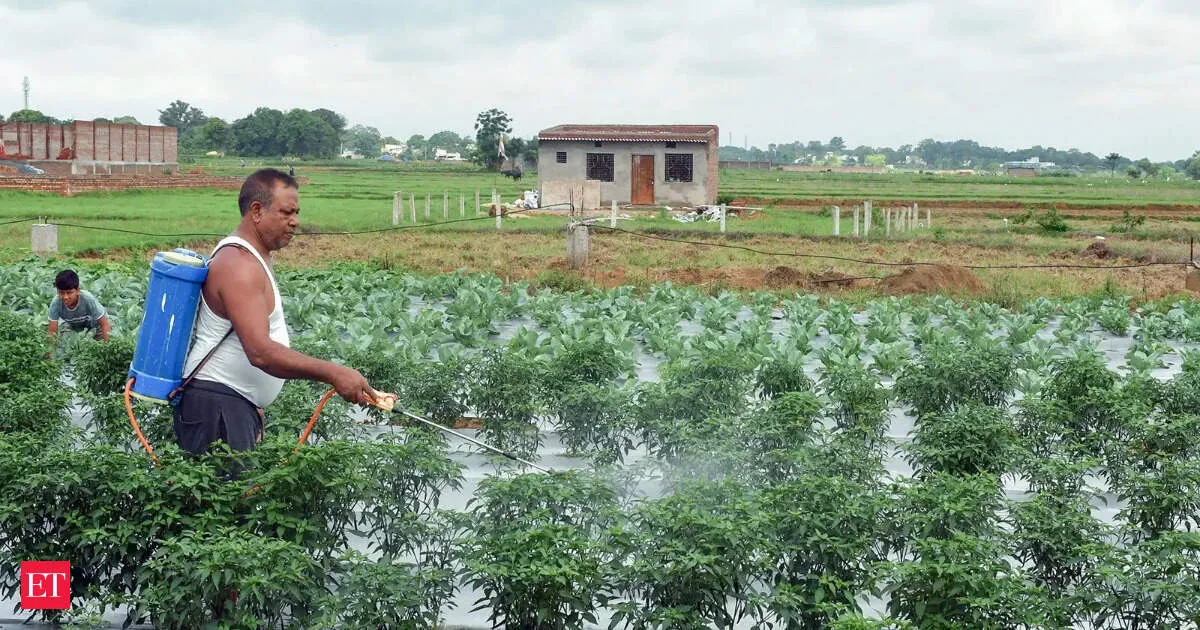
The implications of this forecast are profound. Farmers, who rely heavily on the monsoon for irrigation, face the prospect of reduced water availability, which could jeopardize crop yields and food security. The last experience of reduced monsoon rainfall in 2023 serves as a stark reminder of the challenges ahead, as that year also saw a warning of near-normal rainfall that ultimately fell short.
Looking back, the IMD’s 2015 forecast of below normal rainfall at 93% of the LPA turned out to be an underestimate, with actual rainfall recorded at a mere 86%. Such historical precedents add a layer of urgency to the current situation, as stakeholders brace for potential outcomes.
Experts emphasize the need for adaptive measures in agriculture and water management to mitigate the adverse effects of below-normal rainfall. The IMD’s forecast serves as a crucial signal for preparation, urging farmers to adjust their strategies in anticipation of a drier season.
As the country awaits the arrival of the monsoon, the uncertainty surrounding rainfall patterns looms large. Details remain unconfirmed, but the shift in the IMD’s forecast has already set off alarm bells across various sectors.
In conclusion, the IMD 2026 monsoon forecast marks a significant departure from previous expectations, highlighting the ongoing challenges posed by climate variability. As India navigates this uncertain terrain, the focus will undoubtedly shift to how best to adapt and respond to these changing conditions.