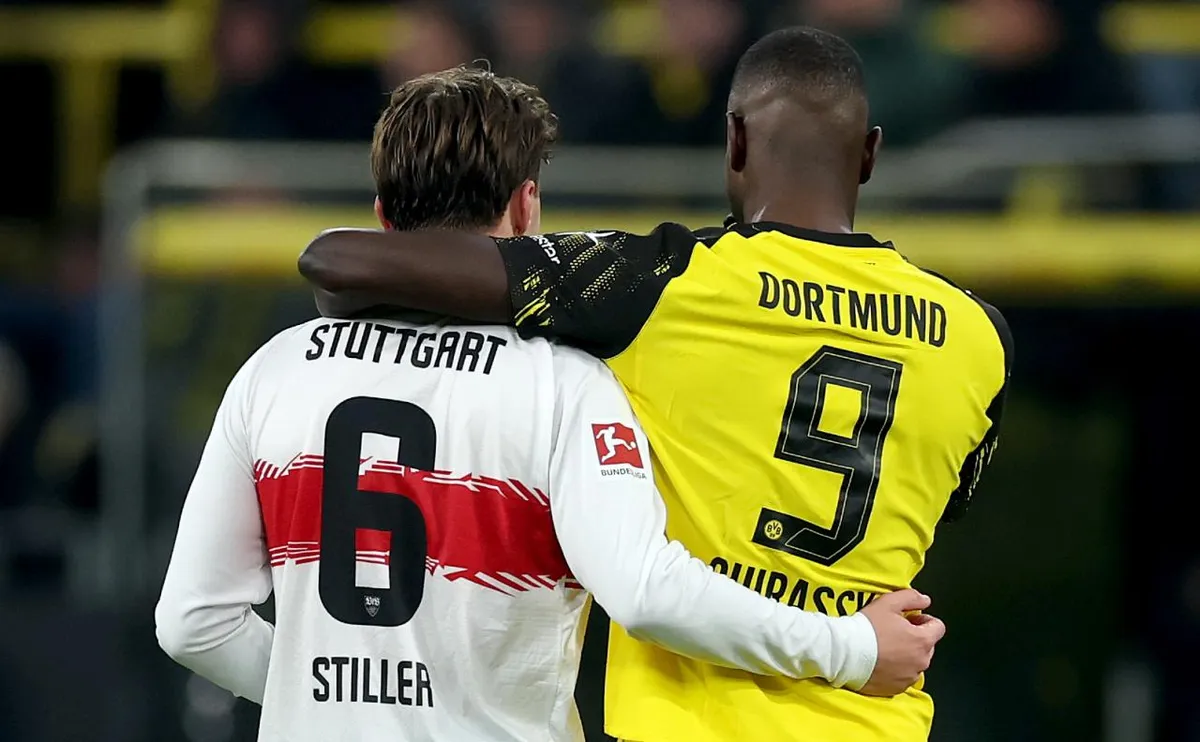
Argentina could face a fine from FIFA following their World Cup semi-final victory over England. After securing a dramatic late comeback win in Atlanta, players displayed a banner referencing the Falkland Islands, which translates to “The Falklands are Argentine.” This action occurred after Argentina scored two late goals to defeat Thomas Tuchel‘s side 2-1, setting up a final showdown with Spain.
The banner, which read “Las Malvinas son Argentinas,” appeared during post-match celebrations. The Falkland Islands, a British overseas territory in the south-west Atlantic Ocean, have been the subject of a sovereignty dispute between Britain and Argentina for an extended period. A conflict over the islands, located 300 miles off Argentina‘s east coast, took place from April to June 1982. This 74-day conflict resulted in the deaths of 655 Argentine and 255 British servicemen, along with three individuals from the islands.
Historical Context and Previous Incidents
This is not the first time the Argentine Football Association has faced penalties for similar displays. In 2014, FIFA fined the association after players held up a banner with the same message before a friendly match against Slovenia. FIFA, the governing body for world football, stated that the gesture violated rules concerning political actions and team misconduct.
The semi-final match itself was held under heightened security measures due to the historical tensions between the two nations. Argentina‘s vice-president, Victoria Villarruel, commented on the match on social media, stating it was “not just another match” and included a video appearing to show Argentine soldiers. She also posted, “The Falklands are Argentine,” adding that while bringing banners to the stadium was prohibited, the sentiment remains deeply ingrained.
Prior to the semi-final, Villarruel had expressed that the game was about “putting the invaders in their place.” Argentina players had also engaged in chants referencing the Falklands, as well as football legends Diego Maradona and Lionel Messi, following their 3-2 victory over Egypt in the last 16. However, manager Lionel Scaloni had previously stated his intention not to mix football and politics, describing the 1982 conflict as a “very sad period” in their history.
The Enduring Rivalry
The rivalry between Argentina and England extends across generations, encompassing football, history, politics, and colonialism. Chants such as “Y ya lo ve, y ya lo ve. El que no salta, Es un ingles!” (And now you see, and now you see, whoever doesn’t jump is English) are common among Argentina‘s football fans and players, often sung regardless of the opposition.
This rivalry has produced numerous controversies, red cards, and iconic goals since its inception in 1962. The political tensions and military conflicts, particularly the Falklands War, continue to influence the relationship between these two football-passionate nations. Argentina‘s players and supporters frequently reference the conflict in their football songs. For instance, after defeating Switzerland in the quarter-finals, videos from the Argentina Football Association showed the squad singing a chant honouring Diego Maradona and Lionel Messi while also referring to the Falkland Islands with the phrase “Por Malvinas, por el Diego, por la ultima de Leo.”
The 1986 World Cup quarter-final remains a defining moment in this rivalry, played four years after the Falklands War. In that match, Diego Maradona scored the infamous “Hand of God” goal and, minutes later, the “Goal of the Century.” Argentina ultimately went on to win the World Cup that year. Other notable encounters include the 1998 World Cup Round of 16 match, remembered for David Beckham‘s red card, and the 2002 World Cup group stage match where Beckham scored a penalty.
The recent semi-final saw England lose to late goals from Enzo Fernandez and Lautaro Martinez.
Read Also
Source: bbc.com