In a historic move, Microsoft has introduced its first-ever voluntary employee buyout program as part of an evolving operational strategy aimed at navigating ongoing workforce reductions. This initiative comes amidst a backdrop of increasing AI investments and significant growth in the company’s Azure business.
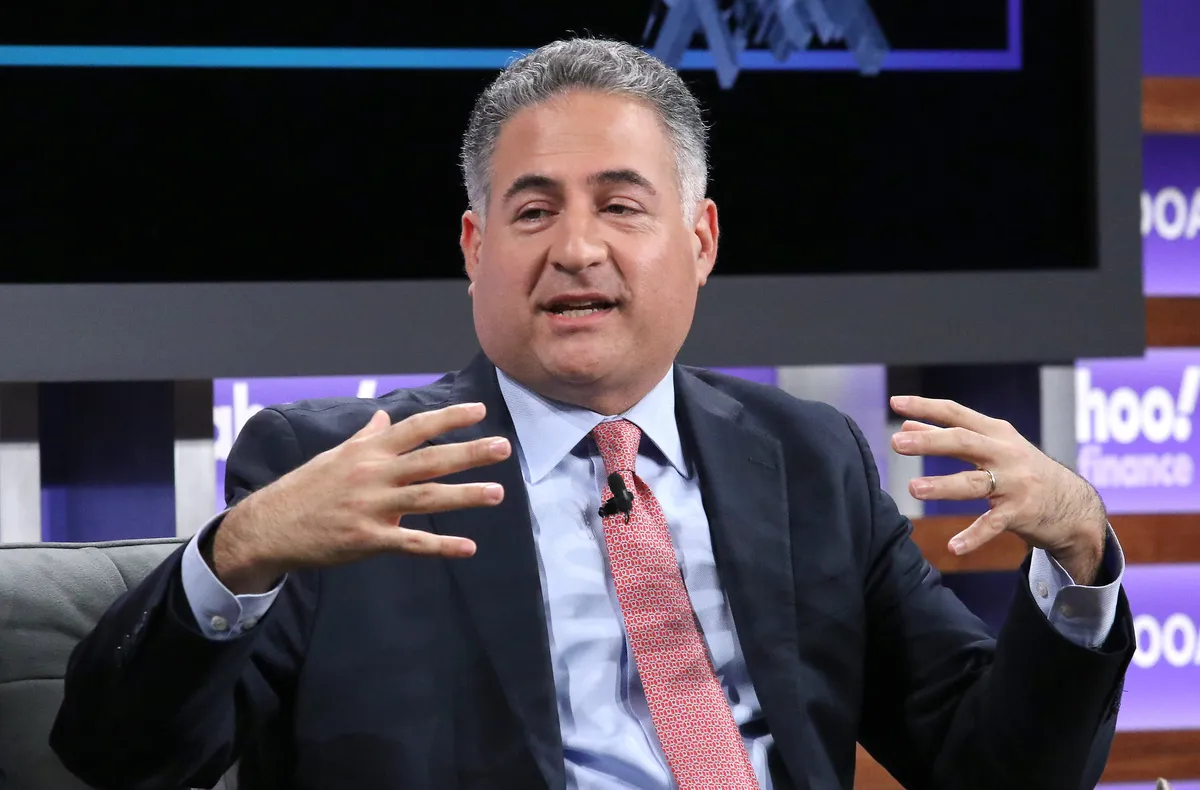
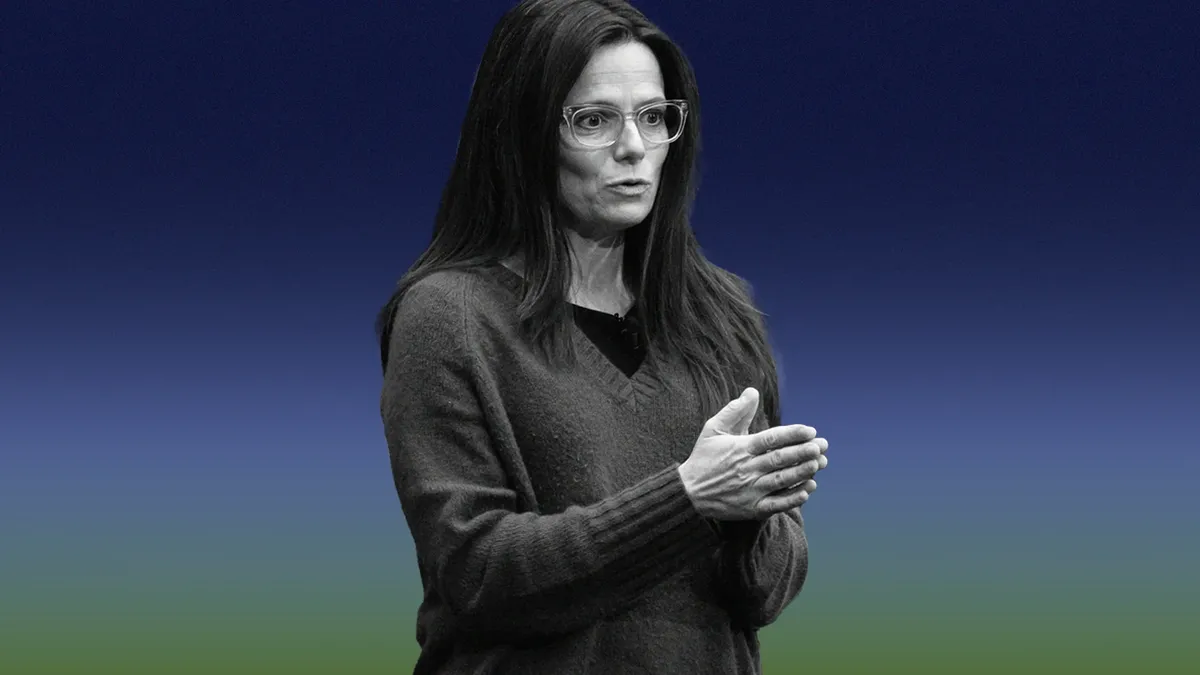
Amy Hood, Microsoft’s chief financial officer, emphasized the need for agility in operations: “We continue to evolve how we operate to increase our pace and agility, and therefore we expect headcount will decrease year over year.” The buyout program specifically targets employees whose age and years of service total 70 or more, potentially affecting around 8,750 workers.
The decision aligns with broader trends in the tech industry, which saw a staggering 18,720 job cuts announced in March 2026—a 40% increase from the previous year. Microsoft’s workforce stood at approximately 228,000 globally as of June 2025, with about 125,000 based in the U.S. Despite these cuts, the company reported robust financial results: $83 billion in quarterly revenue and $32 billion in net income.
Moreover, Microsoft’s AI business has experienced remarkable growth—an annual revenue run rate exceeding $37 billion, reflecting a 123% increase. Hood projected an impressive growth forecast for the Azure business this quarter, estimating between 39% to 40%.
This shift towards a voluntary buyout program marks a significant pivot for Microsoft. It allows the company to manage its workforce strategically while adapting to the rapid changes driven by technological advancements. As Satya Nadella noted, “We are moving aggressively to add capacity aligned to our demand signals we see.”
As the tech landscape continues to evolve rapidly, uncertainties linger regarding how these changes will impact remaining employees and overall company culture. While the immediate effects of this buyout program are clear, the long-term implications for Microsoft remain to be fully understood.