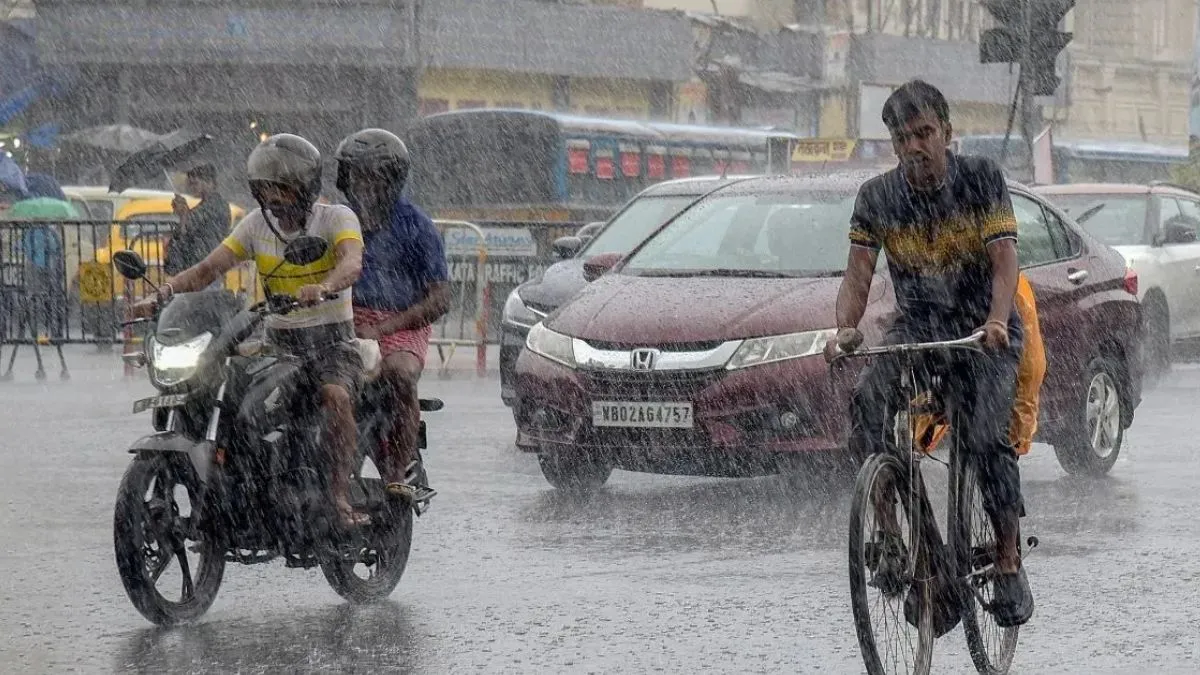
The weather forecast has issued a storm warning for May 1-2, 2026, predicting severe storms and significant temperature drops across 16 states in India. This alarming update comes as the country braces for unpredictable weather patterns attributed to climate change.
As the sun rises on May 1, farmers and residents alike will feel the tension in the air. The predictions suggest heavy rainfall, accompanied by lightning and hailstorms, which could devastate crops just as they reach maturity. Mahesh Palawat, Vice President of Meteorology & Climate Change at Skymet, emphasizes the urgency of this situation: “Our models indicate a high probability of adverse weather conditions affecting agricultural output across multiple regions.”
The storm warning is not merely a precaution; it reflects a growing trend linked to climate change that has altered seasonal patterns in recent years. As temperatures fluctuate unpredictably, farmers face increased risks to their livelihoods. The forecast has raised concerns about the potential impact on food security.
In addition to rain and thunderstorms, there is also a warning for heatwaves leading up to this stormy period. These extreme conditions create a precarious balance for crops that require stable weather to flourish. Farmers are urged to take precautions to protect their fields from potential flooding.
Key details of the forecast include:
- Severe storms expected in 16 states, including Maharashtra and Gujarat.
- Warnings issued for lightning and hailstorms during this period.
- Temperature drops anticipated as the storms approach.
The implications of these weather events extend beyond immediate effects. With agriculture being a cornerstone of India’s economy, disruptions can lead to broader economic challenges. Farmers depend heavily on accurate forecasts to plan their planting and harvesting schedules — delays or damages caused by erratic weather can have cascading effects on supply chains and market prices.
As May approaches, many await further updates from meteorological authorities. The stakes are high; while Mahesh Palawat remains vigilant in tracking these developments, officials continue to stress the importance of preparedness among communities vulnerable to such climatic shifts.