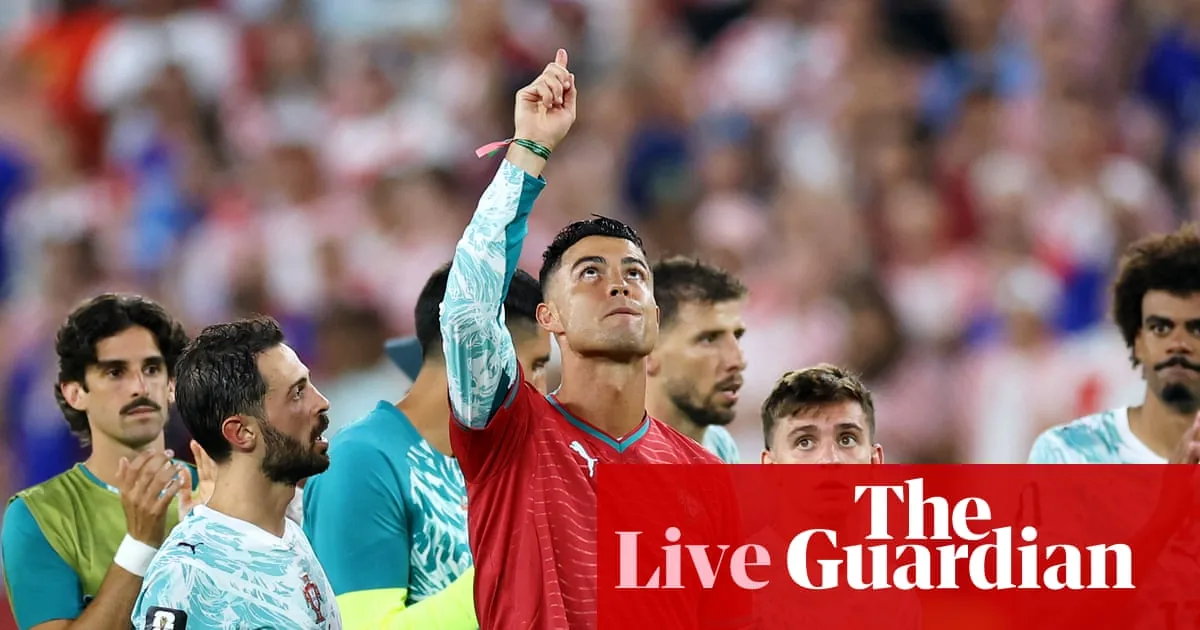
Anticipation builds for World Cup final showdown
The World Cup final is set to feature Argentina, the defending champions, against Spain. This highly anticipated match will pit Lionel Messi against a Spanish squad that has maintained an impressive unbeaten streak of 37 consecutive matches since early 2024. The final is expected to be a significant event, with Luis de la Fuente, Spain‘s coach, noting the similarities in attitude and talent between the two national teams.
For Spain, this final presents an opportunity to secure a second World Cup title, following their victory in 2010, and to solidify their position as a dominant force in football. Argentina, on the other hand, aims to become the first team to win back-to-back men’s World Cup titles since Pele and Brazil achieved the feat in 1958 and 1962. For Messi, who has indicated this will be his final run with the national team, it is a chance to write the perfect ending to what he has indicated will be his final run with his national team.
Tactical approaches and key players
Spain‘s style of play, characterized by patience and ball retention, has been a hallmark since Vicente del Bosque took over as manager in 2008. Coach Luis de la Fuente has revitalized this approach, known as juego de posición. His background within the federation, having worked with many of his players since their youth national teams, is seen as a contributing factor to the team’s cohesion and success. This contrasts with the challenges faced by some club coaches who have transitioned to the international game.
Argentina, under coach Lionel Scaloni, has consciously aimed to restore a more traditional Argentinian game, focusing on short passing rather than relying heavily on physicality. Analyst Matías Manna highlights midfielder Leandro Paredes as a crucial presence, emphasizing his ability to win the ball and facilitate play between the inside players and the No. 10. Manna believes that the relationships and emotional bonds between players are more significant than rigid formations, contributing to Argentina‘s strong sense of togetherness.
The strategy for Argentina in the final may involve a formation similar to their match against England, potentially a 4-5-1, with Messi operating as a loose center-forward and Julián Álvarez on the left. A key decision for Argentina will be whether to deploy Giuliano Simeone as an irritant on the right or to opt for Rodrigo De Paul, who often acts as Messi‘s bodyguard. To disrupt Spain‘s rhythm, Alexis Mac Allister or Enzo Fernández might be tasked with man-marking Rodri, who is considered the metronome of the Spain midfield.
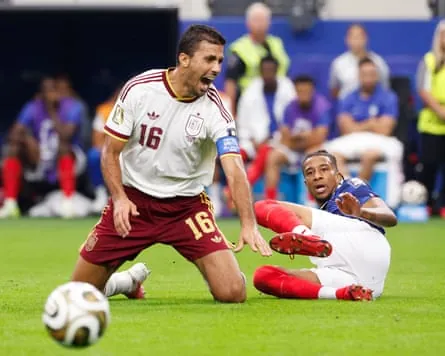
While Cape Verde and Egypt previously exposed Argentina‘s vulnerability to pace, Spain‘s current squad has faced injury limitations in this tournament. Nico Williams, a significant force in previous Euros, has been restricted to substitute appearances, and Álex Baena, a central creator, has been filling in on the flank. Lamine Yamal, who entered the tournament with a hamstring issue, has shown improvement but has not yet reached his peak performance.
Historical context and emotional stakes
The final is viewed as a clash between Spain‘s process-driven approach and Argentina‘s emotional momentum. While passion carries risks, Argentina is seen as a self-aware side capable of directing their drive effectively. The longer the game remains scoreless, the greater the likelihood of Messi influencing the outcome with his ability and determination, a defining characteristic of Argentina‘s knockout stage performances.
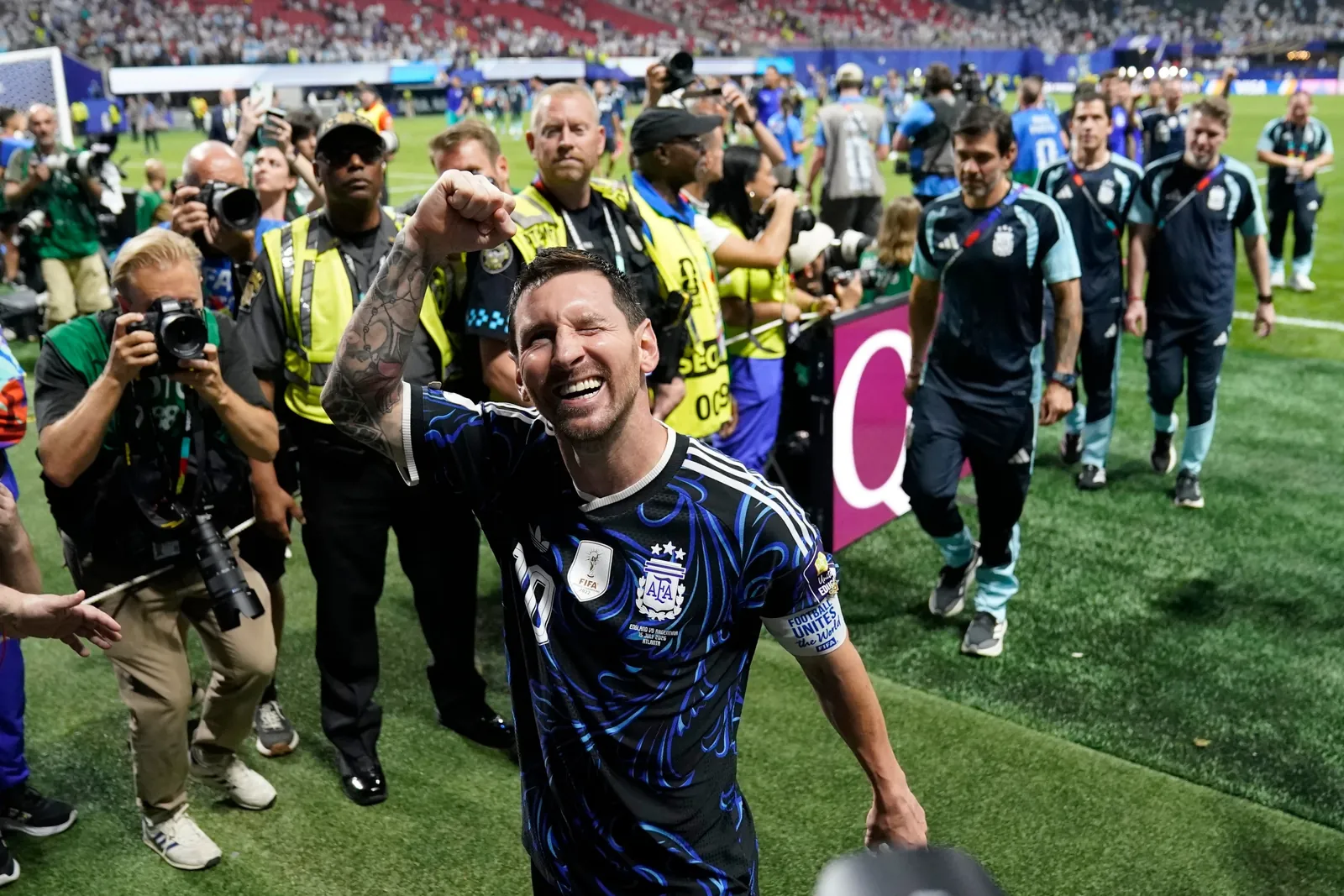
The history between Messi and Spain adds another layer to the narrative. Born in Argentina, Messi spent much of his youth and club career in Spain and was eligible to play for their national team, though he never wavered in his commitment to Argentina. This final marks the first time he will play against Spain since a friendly match in 2010. The match also features Messi and Lamine Yamal, who were photographed together nearly two decades ago when Yamal was a baby.
Messi‘s journey with the national team has seen its share of challenges, including a brief retirement in 2016 after a Copa América final loss. However, he returned to lead Argentina to success, including Copa América titles in 2021 and 2024, and the World Cup in 2022. Argentina coach Lionel Scaloni has lauded Messi as “the best footballer that the world has seen” and a “legend.”
Spain is also pursuing history, with their strong defensive record being a key factor. They have conceded only one goal in their first seven matches of the tournament and have not trailed at any point. This defensive solidity positions them as favorites for the final. Spain captain Rodri acknowledged Argentina‘s strength beyond Messi, noting they are a complete team with top players, emphasizing the collective strength of both finalists. The World Cup final is scheduled for Sunday.
Read Also
- White House defends Argentina players' right to display Falklands banner
- Kansas City: England coach Thomas Tuchel addresses squad after World Cup semi-final defeat
- New York faces smoke, travel concerns ahead of World Cup final
- New York City: Scaloni and Messi reflect on Argentina's World Cup final journey
Source: theguardian.com