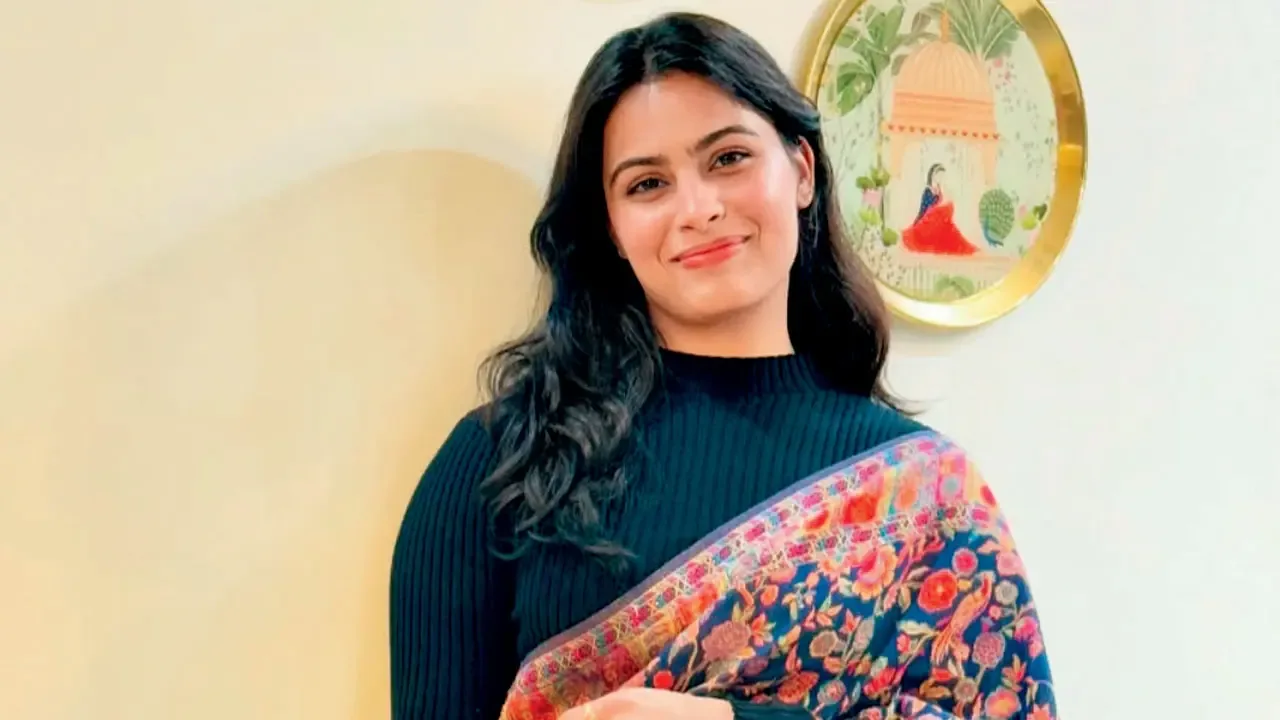
Manu Bhaker, an Olympic medallist, has spoken out regarding the increasing use of abusive language among young people, stating that such language is not “cool.” Her comments contribute to a broader discussion about the normalisation of profanity in public discourse, particularly among the younger generation.
Bhaker, a two-time Olympic medallist, emphasised on Sunday that the words individuals choose reflect their personality and character. She highlighted that using bad language should not be mistaken for confidence or modernity. According to Bhaker, true “coolness” is found in values such as hard work, kindness, respect, honesty, and striving to make one’s parents and country proud.
The Normalisation of Abusive Language
Explaining her decision to address the issue, Bhaker noted that abusive language has gradually become normalised, especially among the younger generation. She observed that many now consider using such words to be “cool,” leading to casual use of degrading and disrespectful language in everyday conversations without full realisation of its impact.
Bhaker’s remarks follow recent events, including videos from the Cockroach Janta Party (CJP) protest at New Delhi’s Jantar Mantar. These videos reportedly showed some younger participants using profane slogans directed at Prime Minister Narendra Modi. The protest concluded after Dharmendra Pradhan’s resignation as Union education minister on July 25.
PM Modi later shared a video message on Friday, stating he had forgiven the students who abused him during the protest and urged society to guide them rather than seek punishment. He suggested that childhood is a time for children to correct their mistakes and asked society to accept his decision to forgive them.
Public Figures Weigh In
The debate has drawn reactions from various public figures. Veteran actor Anupam Kher, while congratulating students on achieving their protest objectives, expressed his distress over the abusive language used against the Prime Minister. Kher posted a video message on X after the protests ended on July 26, stating that the issue extends beyond politics and concerns the culture being passed to future generations.
Kher asserted that democracy provides the right to dissent but not the right to disrespect. He stressed that while disagreeing with leaders, criticising policies, and asking questions are part of democracy, arguments should not devolve into abuse. He also underlined the importance of respecting the dignity of the Prime Minister’s office, regardless of political differences.
Actor Ashutosh Rana also contributed to the discussion, focusing on responsible public discourse. Rana’s comments were made in response to remarks by actor and BJP MP Kangana Ranaut, who had described sections of Gen Z as a “gutter generation.” Speaking to journalists on August 1, Rana differentiated between movements and revolutions, advocating for constructive expression from young people.
Rana used a metaphor, stating that “Lions roar, elephants trumpet and dogs bark. Every animal is recognised by its sound and the way it expresses itself. Our words decide whether we receive respect or shame.” Earlier, Kangana Ranaut had criticised the language used by some young protesters, calling it “puke-inducing.”
Manu Bhaker, who recently secured a bronze medal in the 25m pistol event at the ISSF World Cup in Hangzhou, China, also used her social media platform to convey a message about kindness and responsibility. With 1.4 million followers on Instagram, she urged social media influencers to promote positivity and avoid toxicity. Bhaker highlighted that negative comments can significantly impact individuals and that supporting one another is crucial through all phases of life.
She further stated that life is unpredictable and encouraged people to be kind to each other, especially considering the influence social media has on the younger generation. Bhaker’s remarks, along with those from Kher, Rana, and Ranaut, continue to fuel the conversation on whether political dissent can be forceful without resorting to abuse, and how the normalisation of profanity is shaping the culture of India’s youth.
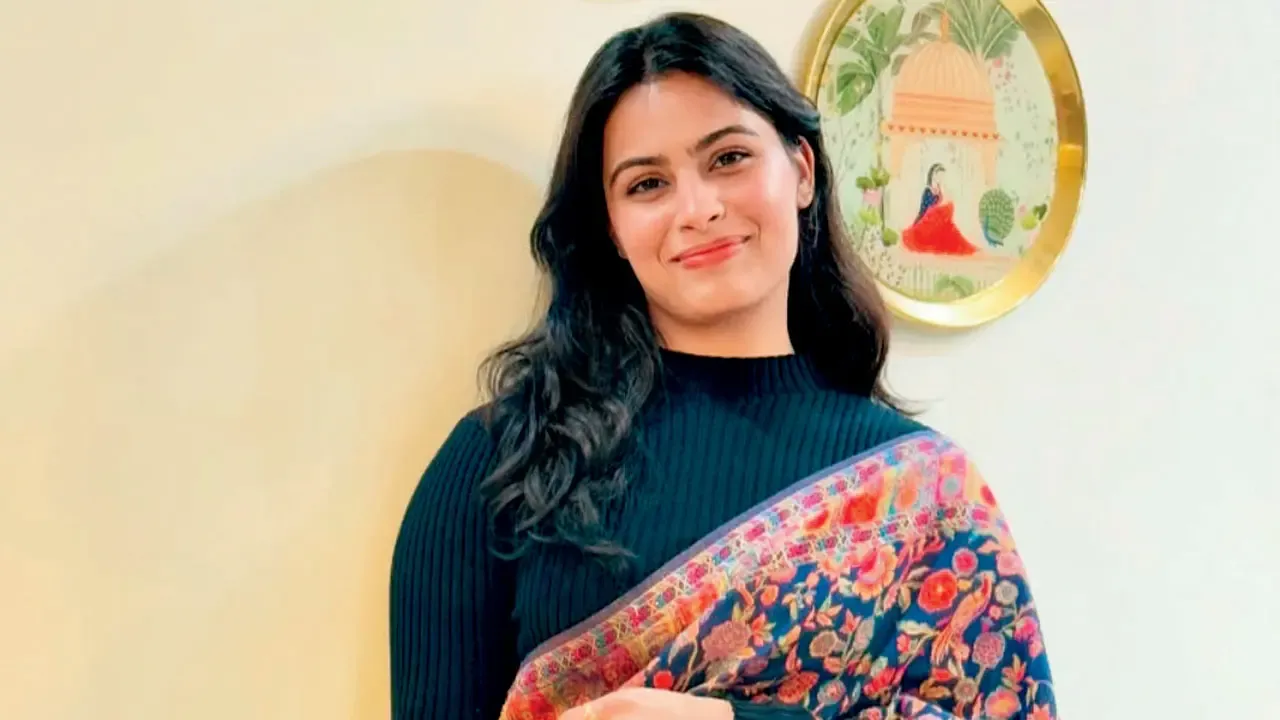
The discussion gained further traction following PM Modi’s video message on Friday, July 31.
Source: indiatoday.in