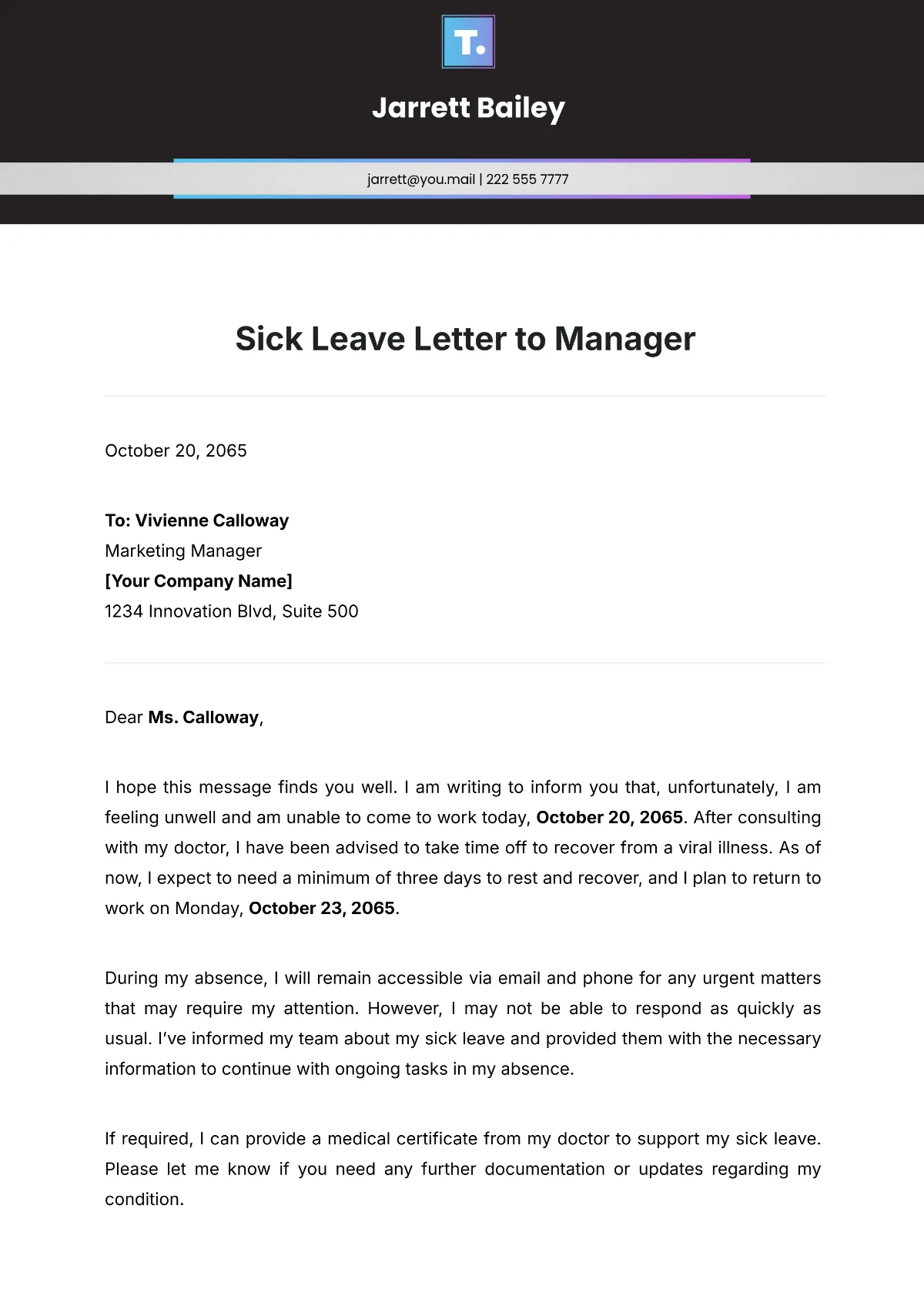
In India, single-day sick leaves are often treated with suspicion, even for common illnesses like fever or migraines. This cultural norm has been thrust into the spotlight following a troubling incident involving a corporate employee whose request for a day of sick leave was denied by his manager after he developed a fever. The manager’s rationale was startling: sick leave could only be granted if the employee was hospitalised for three days with proof.
The employee, undeterred by the initial rejection, sought medical attention and obtained a doctor’s certificate recommending two days of rest. Armed with this documentation, he applied for sick leave through the HR portal, which was subsequently approved. However, the saga did not end there. The manager, still unconvinced, refused to accept the HR-approved sick leave and demanded to see the prescription, a move that many have criticized as an overreach of authority.
Reactions to the manager’s behavior have been swift and severe, particularly on social media platforms like Reddit. Users expressed outrage, describing the manager’s actions as emblematic of toxic workplace norms that prioritize productivity over employee well-being. One Reddit user succinctly captured the sentiment, stating, “Choose health over donkeys. If sick leave is policy-backed and HR-approved, your manager has no business gatekeeping it.” This incident has ignited a broader conversation about the treatment of sick leave requests and the rights of employees in the face of managerial scrutiny.
The issue is not isolated to this one incident. In India, the stigma surrounding sick leave is pervasive, with many employees feeling pressured to work through illness rather than risk being viewed as uncommitted. This cultural backdrop is compounded by alarming statistics: more than 2.4 billion workers globally are exposed to excessive heat, leading to over 22.85 million occupational injuries each year. In India, projections indicate that the country could lose about 5.8% of working hours by 2030 due to heat stress, a significant increase from 4.3% in 1995.
In 2023 alone, extreme heat cost India an estimated 181 billion potential labour hours, translating into income losses of about Rs 13 lakh crore (approximately $141 billion). These figures underscore the urgent need for more compassionate and flexible sick leave policies that acknowledge the realities of health and wellness in the workplace.
Meanwhile, the situation is not unique to India. In Spain, public debate has intensified around how sick leave is verified, monitored, and limited to medical necessity. The country recorded 53.7 temporary disability cases per 1,000 workers in 2025, prompting discussions about the adequacy of existing policies and their enforcement. Longer wait times for diagnostics, rehabilitation, or specialist visits can extend leave durations, further complicating the landscape of employee health management.
As the conversation around sick leave continues to evolve, observers are calling for a reevaluation of workplace policies that prioritize employee health. The need for systemic change is evident, as both employees and employers navigate the complexities of health, productivity, and workplace culture. The hope is that incidents like the one involving the corporate employee will serve as a catalyst for change, prompting organizations to adopt more humane approaches to sick leave and employee wellness.