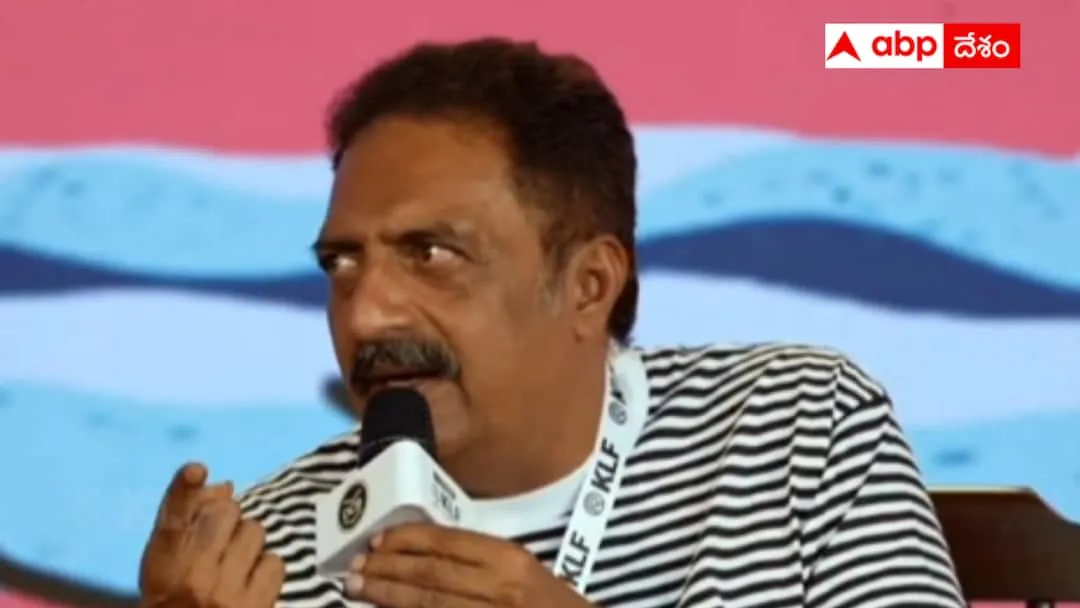
On April 17, 2026, the serene atmosphere of a literary festival in Kerala was shattered by a provocative statement from actor Prakash Raj. Just before he took the stage, an excited crowd buzzed with anticipation, unaware that his words would soon send shockwaves through social media and beyond.
Raj, known for his outspoken nature, described Lord Rama and Lakshmana as nothing more than migrant workers from North India—a claim that struck many as an affront to a deeply revered epic. “Ram JI was North Indian,” he asserted, seemingly oblivious to the firestorm brewing around him.
He continued, weaving a narrative that painted Rama and Lakshmana as thieves who plundered fruits from Ravana’s orchard. “They became enemies because Ram Ji stole fruits from Ravan,” he said, distorting the sacred story of the Ramayana—one of Hinduism’s most cherished texts.
The fallout was immediate. Hindu organizations and netizens erupted in outrage over his comments. Critics were quick to label his remarks as not just incendiary but also as an unforgivable act aimed at political gain. Social media was flooded with condemnation; users accused him of mocking Hindu beliefs and inciting regional differences between North and South India.
But it wasn’t just the content of his statements that drew ire; it was the perceived intent behind them. Many felt that Raj’s portrayal of Ravana—a character often depicted with complexity—was reductive and politically charged. His suggestion that Ravana represented South Indian tribals added fuel to an already raging fire.
In this context, Raj faced accusations of distorting the Ramayana to promote beef eating—a contentious issue in a country where dietary choices often intersect with cultural identity. This only intensified the backlash against him.
As the dust settles on this controversy, where do things stand now? The actor remains under scrutiny, with calls for accountability growing louder across various platforms. His remarks have not only alienated fans but also reignited discussions about cultural sensitivity in India.
This incident matters not just for Prakash Raj but for many involved in the ongoing dialogue about religion, identity, and representation in India. It serves as a reminder of how quickly words can escalate into broader societal conflicts.
Details remain unconfirmed regarding any potential repercussions for Raj following this incident—whether it be professional fallout or personal consequences. Yet one thing is clear: his comments have left an indelible mark on public discourse, challenging all to consider the weight of their words.