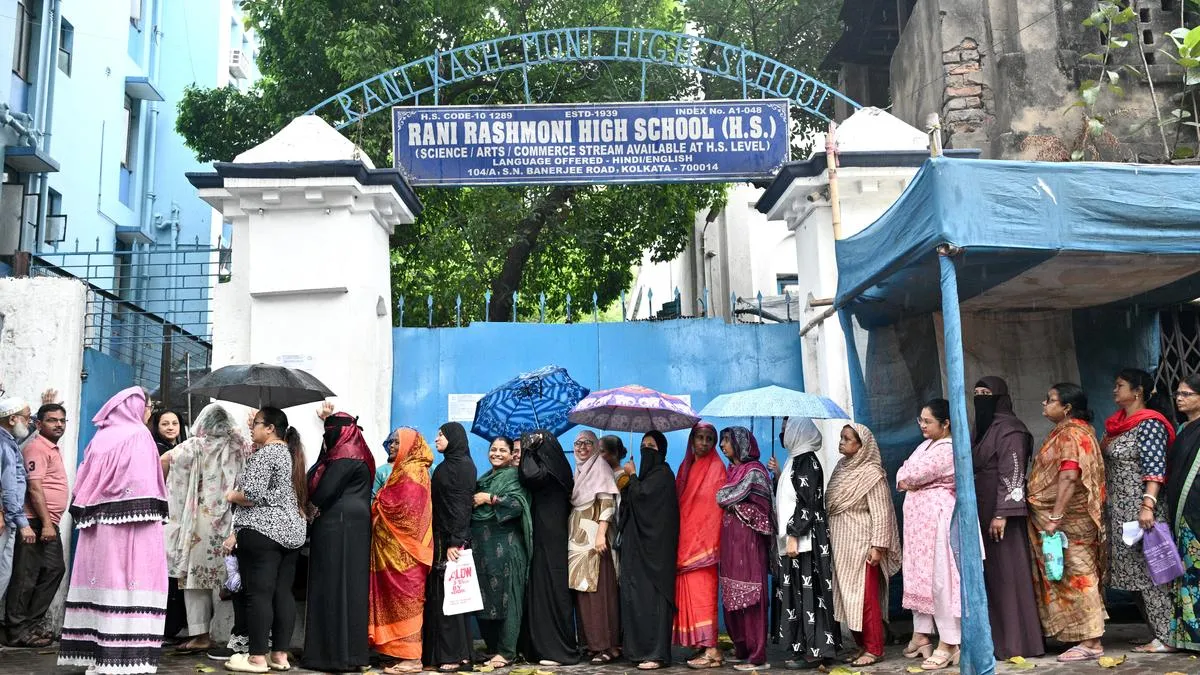
In a dramatic turn of events, Mamata Banerjee’s government was decisively rejected after 15 years in power during the 2026 West Bengal elections. The Bharatiya Janata Party (BJP) emerged as a formidable challenger, winning 44 seats and leading in 160 of the 294 seats. This shift marks a significant change in the political landscape of West Bengal, where Banerjee has long held sway.
Before this electoral upheaval, expectations ran high for Banerjee. She had launched an aggressive campaign, addressing a record 90 rallies and leading 22 roadshows in just two months. Her supporters rallied behind her policies, which included financial grants for Durga Puja committees and allowances for Imams and Muezzins—moves she defended as community support. Yet, the winds of change began to blow as allegations of rampant corruption and anti-incumbency sentiments grew stronger.
The decisive moment came with the special intensive revision of the electoral roll, which removed around 9.1 million names—6.3 million of which were dead or absentee voters. This revision played into the hands of the BJP, who capitalized on it by arranging trains for approximately 2.2 million migrant workers to return home and vote. It became clear that voter mobilization was crucial to their strategy.
The direct effects on both parties were stark. While the Trinamool Congress (TMC) managed to secure only 21 seats and was leading in just 62, the BJP’s rise signaled a rejection of Banerjee’s long-standing rule. Women voters—previously a strong support base for Banerjee—appeared to have turned against her this time around. The chants of “Chor, chor (thief)” from BJP supporters echoed through campaign rallies, reflecting a growing discontent.
Experts weighed in on this shifting dynamic. Udayan Bandopadhyay noted that Banerjee’s attempts to counter religious polarization with initiatives like building a ₹250 crore Jagannath temple may not have resonated enough with voters disillusioned by her governance. Accusations against her administration regarding appeasement policies further fueled skepticism among constituents.
Banerjee once declared confidently, “I am the candidate from all seats,” but now faces an uphill battle to reclaim her position amid mounting challenges from an invigorated BJP base. The party’s campaign song proclaimed “Paltano dorkar, chai BJP sarkar”—a clear call for change resonating with many voters.
This election marks not only a potential end to Banerjee’s reign but also signals a broader transformation in West Bengal’s political fabric. As local analysts sift through the aftermath of these elections, one thing remains clear: the landscape has shifted dramatically underfoot.