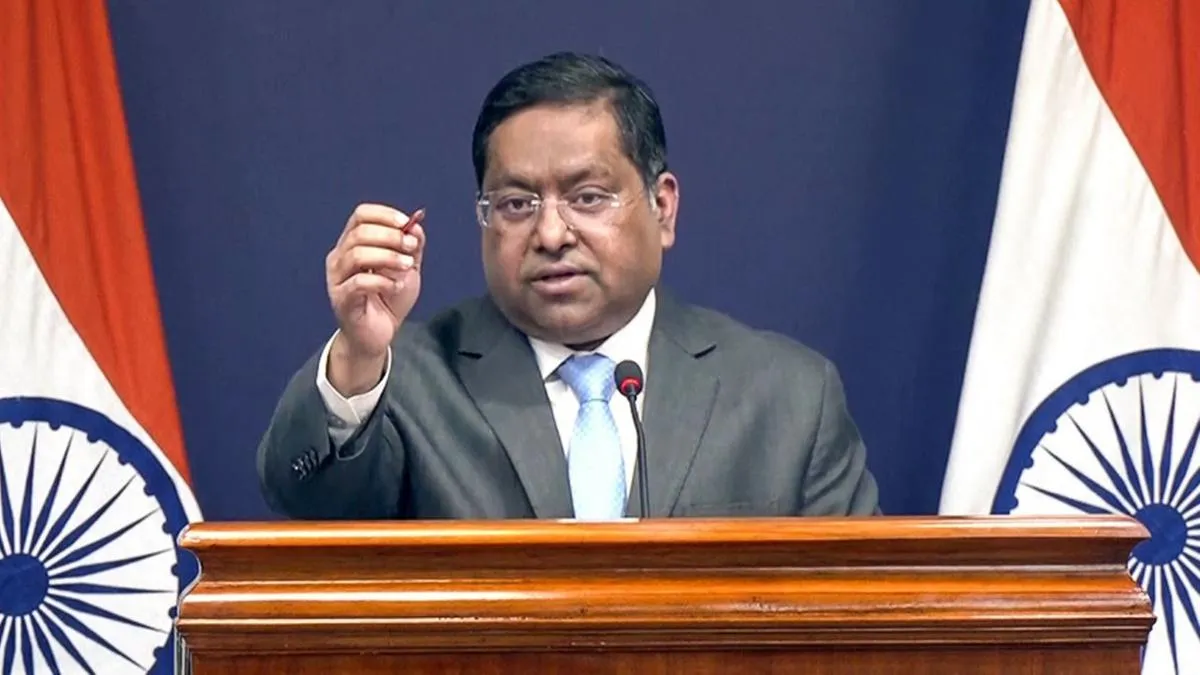
In a significant diplomatic move, India has officially rejected China’s attempts to assign names to various locations in Arunachal Pradesh, underscoring its commitment to territorial integrity. The Ministry of External Affairs (MEA) spokesperson, Randhir Jaiswal, emphasized that Arunachal Pradesh is an integral part of India, a statement that resonates deeply amid ongoing tensions between the two nations.
Jaiswal’s declaration came in response to China’s recent actions, which are viewed as detrimental to the normalization of bilateral relations. He stated, ‘പേരിട്ടാൽ സ്വന്തമാകില്ല,’ translating to ‘Naming does not equate to ownership,’ a poignant reminder of India’s stance on its territorial claims.
India’s firm rejection of China’s naming initiative reflects the long-standing territorial disputes that have historically strained relations between the two countries. The region of Arunachal Pradesh has been a flashpoint for conflict, with both nations asserting claims over its territory.
China’s actions are perceived not only as a challenge to India’s sovereignty but also as a potential setback to diplomatic efforts aimed at stabilizing relations. Observers note that such provocations could hinder ongoing dialogues and peace-building measures that have been tentatively progressing in recent years.
Despite these challenges, India remains resolute, maintaining that baseless claims from China will not alter the reality of its territorial sovereignty. The MEA’s reaffirmation of Arunachal Pradesh’s status is a clear signal to both domestic and international audiences of India’s unwavering position.
As the situation develops, analysts are closely monitoring the implications of China’s actions on future diplomatic engagements. The potential for escalation remains a concern, with both nations navigating a complex landscape of historical grievances and national pride.
Details remain unconfirmed regarding any immediate diplomatic responses from China following India’s rejection. However, the international community is watching closely, as this incident could have broader implications for regional stability in South Asia.
In summary, India’s firm stance against China’s naming claims in Arunachal Pradesh not only reaffirms its territorial sovereignty but also highlights the ongoing complexities in India-China relations. The coming weeks may reveal more about how both nations will navigate this latest chapter in their long-standing territorial disputes.