In a dramatic escalation of tensions, India launched Operation Sindoor, a military campaign against Pakistan, following a terrorist attack in Kashmir. This operation, which unfolded from May 7 to May 11, 2025, saw intense aerial engagements and marked a significant moment in the long-standing conflict between the two nuclear-armed nations. The operation was characterized by its focus on air superiority, with both sides engaging in a series of dogfights that highlighted the precarious nature of their military capabilities.
As the dust settled, Prime Minister Narendra Modi announced a ceasefire, referring to it as a “pause” in Operation Sindoor. This declaration came as a surprise to many, especially given the Modi government’s previous hardline stance on Kashmir. The ceasefire was met with mixed reactions domestically; while some hailed it as a necessary step towards peace, others, particularly within Hindutva constituencies, expressed disappointment, fearing it could be perceived as weakness.
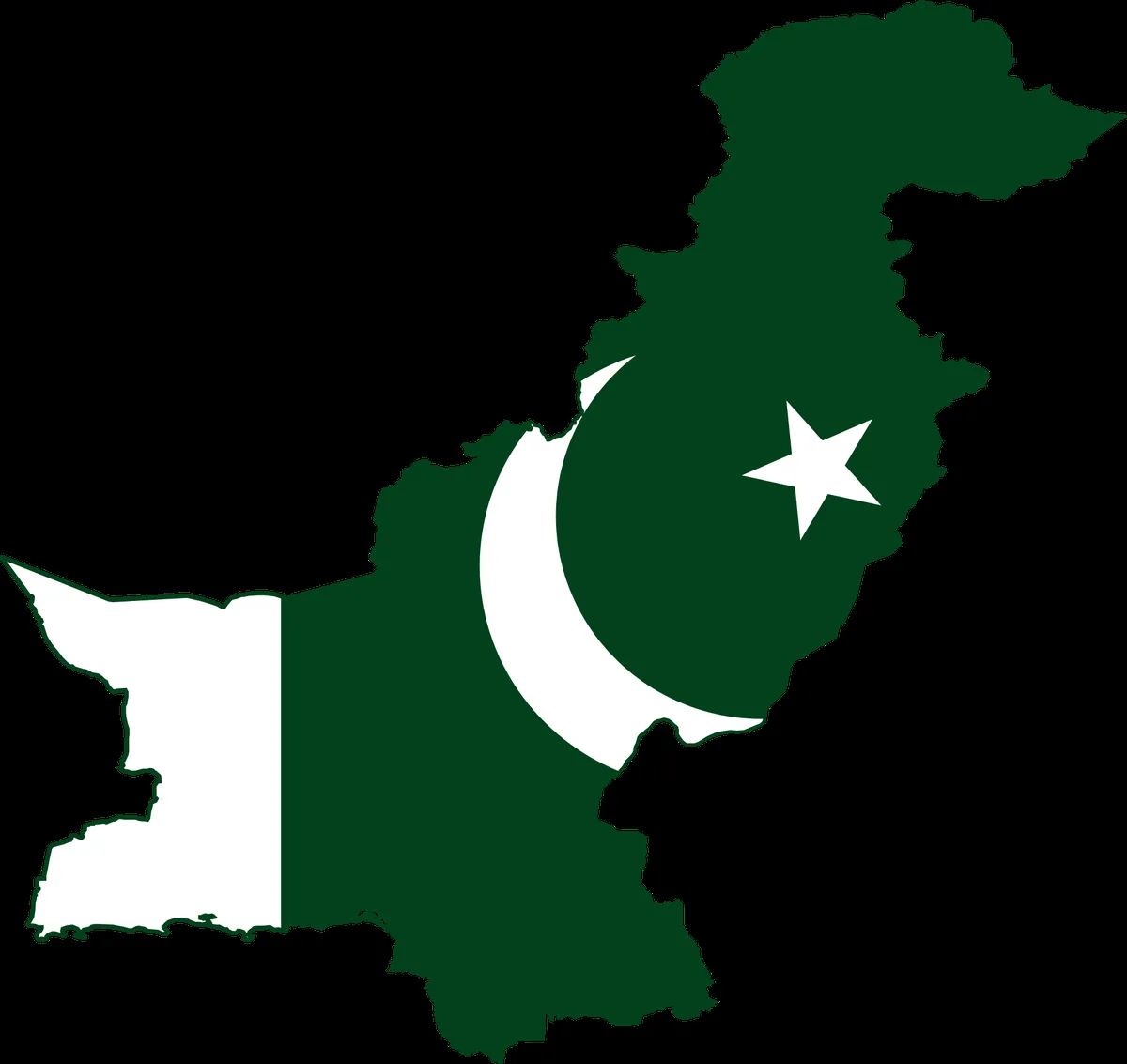
In Pakistan, the response was markedly different. The government quickly declared May 11, 2025, as Yom-e-Tashakkur, or the Day of Thanks, celebrating what they viewed as a successful defense against Indian aggression. Observers noted that the operation had shifted the political landscape within Pakistan, bolstering the position of Army Chief Asim Munir, who has been a key player in the country’s military strategy. The celebrations in Pakistan were a stark contrast to the apprehension felt in India, where the ramifications of the ceasefire were still being assessed.
Internationally, the operation and subsequent ceasefire have drawn attention, particularly from the United States. Former President Donald Trump, known for his controversial mediation attempts in South Asia, suggested that the U.S. could play a role in facilitating dialogue between the two nations. However, this assertion has been met with skepticism in India, where officials have routinely rejected external mediation, adhering to the principles established in the 1972 Shimla Agreement that emphasizes bilateral resolution of disputes.
India’s relations with the U.S. have also been strained in the aftermath of Operation Sindoor, particularly due to Trump’s comments. The Modi government has faced backlash not only from domestic critics but also from international observers who question the implications of the ceasefire on India’s strategic posture in the region. The U.S. has historically intervened in India-Pakistan crises, but the current administration’s stance remains uncertain amid rising tensions.
The backdrop of nuclear capabilities held by both India and Pakistan adds a chilling dimension to these developments. With both nations possessing significant arsenals, the stakes of their conflicts are alarmingly high. The potential for miscalculation or escalation into a broader conflict looms large, prompting calls from various quarters for restraint and dialogue.
As the situation evolves, the future of Kashmir remains uncertain. Analysts suggest that the only realistic solution lies in both sides accepting the Line of Control as an international boundary, a proposition that has historically been met with resistance. The Modi government’s next steps will be closely scrutinized, as it navigates the complex interplay of domestic pressures and international expectations.
In summary, Operation Sindoor has not only escalated military tensions but has also reshaped the political landscape in both India and Pakistan. The ceasefire, while a temporary reprieve, raises more questions than answers about the future of the region and the ongoing struggle for Kashmir. As both nations grapple with the implications of this operation, the international community watches closely, hoping for a peaceful resolution to a conflict that has persisted for decades.