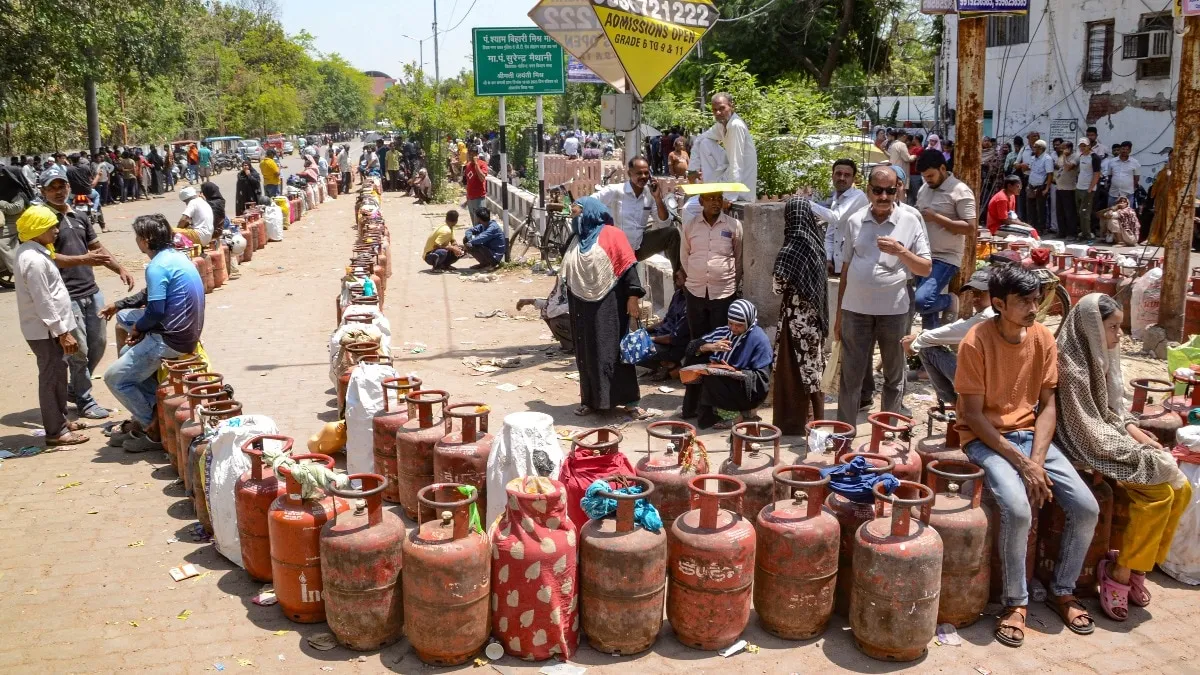
The West Asia conflict that erupted in late February has sent ripples through global energy markets, leading to a significant increase in gas cylinder prices across India. The price of a 14.2Kg domestic LPG cylinder has surged by Rs 60, while commercial cylinder prices have seen three hikes within April alone, totaling Rs 196. This escalation has prompted the Indian government to enforce stricter LPG booking rules.
In a bid to manage the rising costs and streamline the distribution process, the interval between LPG bookings has been extended: from 21 days to 25 days in urban areas and up to 45 days in rural regions. Such measures aim to reduce the frequency of deliveries, thereby stabilizing supply amidst fluctuating global prices.
Moreover, the government is pushing households toward piped natural gas (PNG) connections. Currently, approximately 5.45 lakh PNG connections have been established since March 2026, with an additional 2.62 lakh connections planned for infrastructure development. Households that have access to PNG are now prohibited from surrendering their domestic LPG connections—a move designed to encourage a transition away from traditional cylinders.
For beneficiaries of the Pradhan Mantri Ujjwala Yojana who have not completed their Aadhaar eKYC, biometric authentication is now mandatory. This requirement adds another layer of complexity for those relying on subsidized LPG cylinders.
Yet, it’s not just the booking intervals and authentication processes that are changing; an OTP-based delivery authentication system is expected to be made permanent for LPG deliveries. This shift aims to enhance security and accountability in the distribution chain.
As these changes unfold, many observers speculate about the future of LPG pricing and availability. Further revisions in LPG prices are anticipated from May 1, 2026, as authorities respond dynamically to ongoing international market pressures.
The landscape of cooking fuel in India is shifting—households must adapt or risk losing their access to essential resources. With these new regulations firmly in place, families will need to navigate this evolving terrain carefully as they consider their options between traditional gas cylinders and emerging alternatives.
In this context, the push towards piped natural gas signifies not just a regulatory change but also a broader shift in how energy consumption is managed within homes across India.