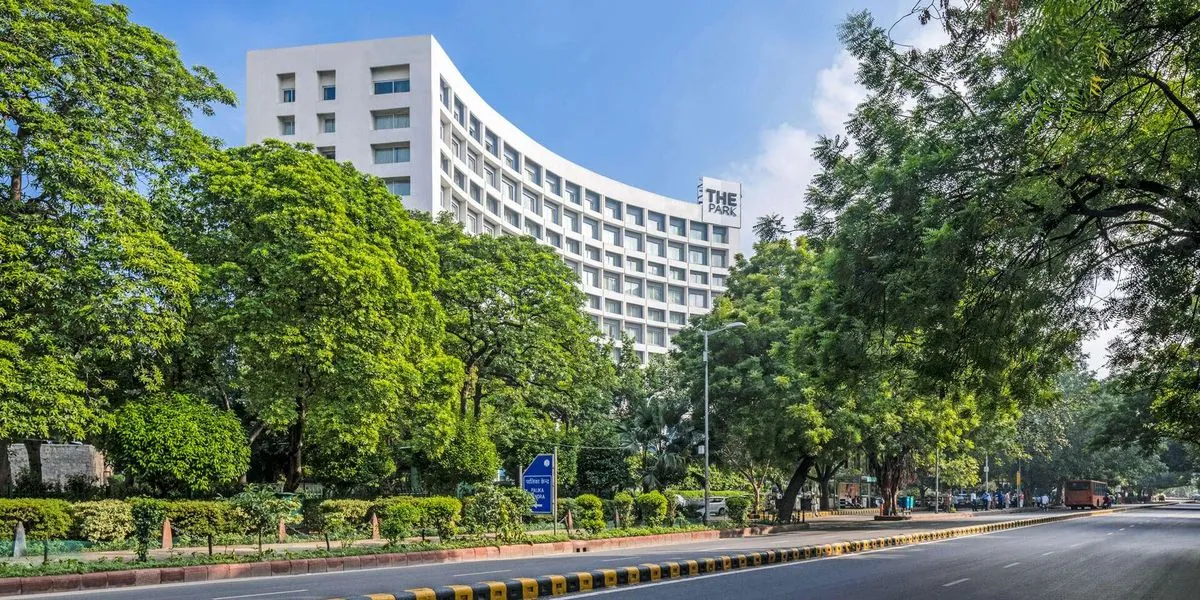
As the sun began to rise over the misty hills of Darjeeling on April 13, 2026, the air buzzed with excitement. Just days earlier, on March 31, ASPHL, a prominent player in the hospitality sector, unveiled its latest venture, the Zone by The Park Darjeeling. This marked a significant milestone for the company, as it ventured into the picturesque hill station known for its tea gardens and breathtaking views.
The launch of Zone by The Park Darjeeling was part of a broader strategy by ASPHL, which also included the opening of two other hotels in Gangtok and Katra. Vikas Ahluwalia, a spokesperson for ASPHL, remarked, “The simultaneous launch of these three hotels underscores our commitment to growth and the diversification of our portfolio.” This strategic move not only enhances the hospitality landscape of Darjeeling but also aims to attract more tourists to the region, which boasts a combined population of approximately 0.875 million across Darjeeling, Kurseong, and Kalimpong.
However, the backdrop of this development is one of political tension and electoral fervor. The ruling Trinamool Congress (TMC) has earmarked three seats in the region for its ally, the Bharatiya Gorkha Prajatantrik Morcha (BGPM), as the political landscape heats up ahead of the upcoming elections. The BGPM, led by Anit Thapa, is positioning itself as a viable alternative to the long-standing dominance of the Bharatiya Janata Party (BJP), which has held the Darjeeling Lok Sabha seat for four consecutive terms since 2009.
Ruden Sada Lepcha, the incumbent MLA defending his Kalimpong seat as a BGPM candidate, expressed the sentiments of many locals, stating, “People of Kalimpong will vote for development as they are tired of the promises BJP has been making since 2009.” This sentiment resonates deeply in a region where issues of governance and development are paramount. The BJP’s promises to protect the identity of the Gorkha community have been met with skepticism, as highlighted by Anit Thapa’s assertion that the party has been “fooling the Gorkhas since 2009.”
As the political atmosphere intensifies, the launch of Zone by The Park Darjeeling could serve as a catalyst for economic growth and job creation in the area. Local businesses may benefit from the influx of tourists, while the hospitality sector could see a boost in demand. However, the success of this venture will largely depend on the stability of the region and the ability of local leaders to address the pressing issues faced by the community.
Sonam Lama, a local political figure, emphasized the need for good governance, stating, “Corruption in the GTA administration is a key issue. People know that only BJP can ensure good governance.” This reflects a broader concern among residents about the effectiveness of their leaders and the governance structures in place. The upcoming elections will be a critical juncture for the region, as voters weigh their options amidst promises of development and governance reform.
As of now, the hospitality landscape in Darjeeling is poised for transformation with the introduction of Zone by The Park. The hotel aims to cater to both domestic and international tourists, offering a blend of luxury and local culture. With the political climate shifting and the community’s needs at the forefront, the future of Darjeeling hangs in a delicate balance.
In this vibrant hill station, the intersection of tourism and politics will play a crucial role in shaping the region’s trajectory. As the community prepares to cast their votes, the implications of these developments will resonate far beyond the immediate economic benefits, influencing the very fabric of Darjeeling’s identity and governance.