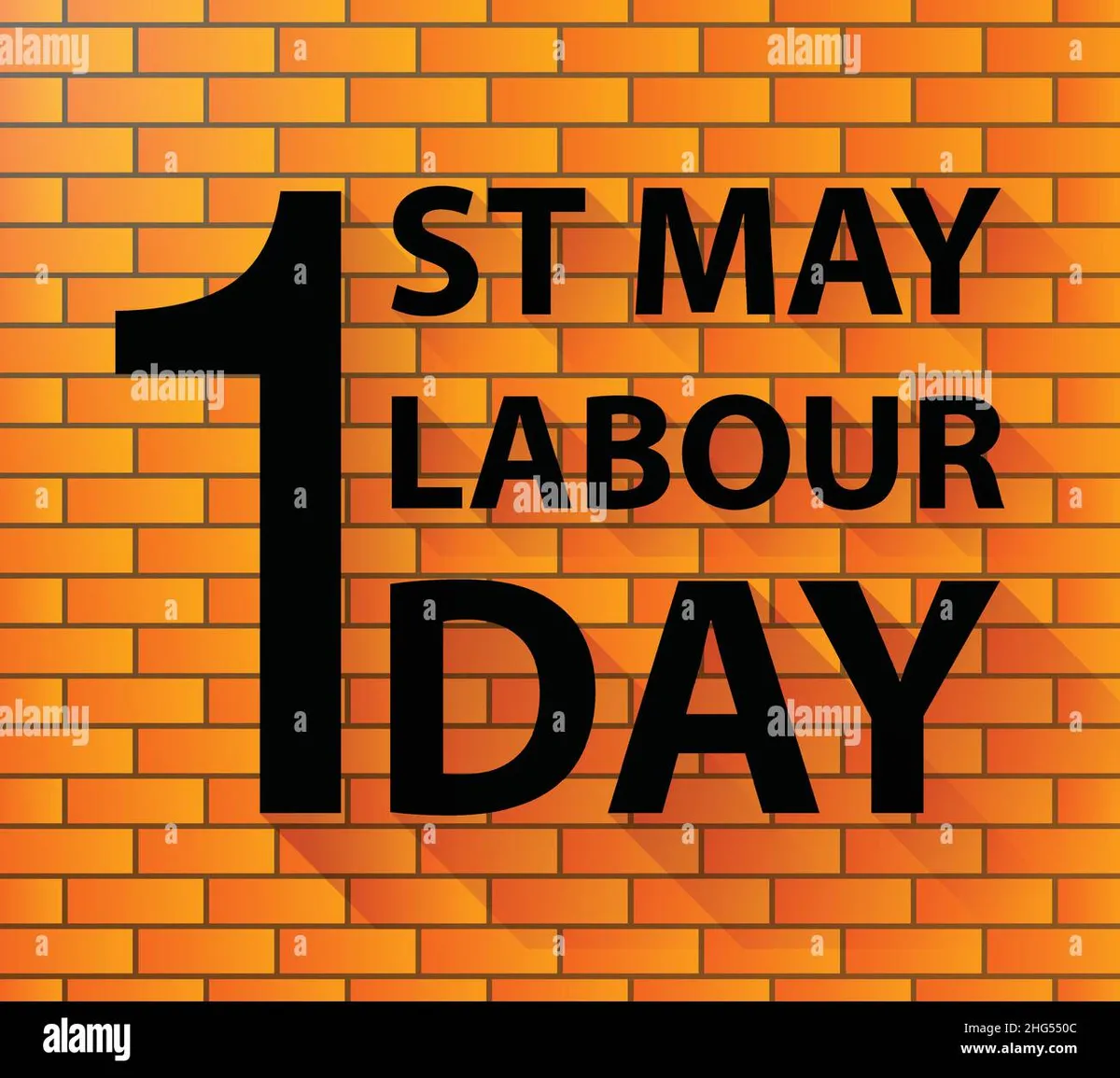
On 1st May, Labour Day rallies across the globe will echo with the voices of workers protesting against rising energy prices and advocating for their rights. From the bustling streets of Paris to the vibrant squares of São Paulo, demonstrators will unite under the banner of International Workers’ Day, a day that honors the contributions of laborers while highlighting the urgent need for economic justice.
As fears of a global recession loom, these protests take on an added significance. The International Trade Union Confederation has reported alarming statistics: extreme wealth concentration is rampant, with some CEOs pocketing over $100 million in pay and bonuses while many workers struggle to make ends meet. In Gaza and the West Bank alone, approximately 550,000 workers are without income, a stark reminder of the growing income inequality that fuels discontent.
In various regions, trade unions have mobilized to amplify their demands. The European Trade Union Confederation represents 93 trade union organizations across 41 European countries, all rallying for fair wages and better working conditions. “Working people refuse to pay the price for Donald Trump’s war in the Middle East,” stated a representative from the Confederation, reflecting a sentiment shared by many who feel marginalized in this economic climate.
This year’s Labour Day is not just about local issues; it resonates with a broader narrative of interconnected struggles. Josua Mata, a Filipino labor leader, emphasized this connection: “Every Filipino worker now is aware that the situation here is deeply connected to the global crisis.” As inflation rises and living costs soar, the call for solidarity among workers grows louder.
The key themes emerging from these rallies include:
- The demand for higher wages in response to unprecedented spikes in fuel prices.
- A unified stand against income inequality that has left many behind.
- A call for governments to prioritize workers’ rights over corporate interests.
Renato Reyes, another prominent figure in labor activism, noted that there will be a “louder call for higher wages and economic relief” as workers gather worldwide. This sentiment encapsulates not only an immediate reaction to rising costs but also a deeper yearning for dignity and respect within the workforce.
As Labour Day approaches, observers anticipate that these protests could shape policy discussions in various nations. With governments facing mounting pressure from their constituents, it remains uncertain how they will respond to these vocal demands for change. However, one thing is clear: the fight for workers’ rights is far from over.