What does the current geopolitical climate mean for the US presidency and its influence on global markets? Recent events have shown that rising tensions, particularly between Iran and Israel, are causing significant market fluctuations, with Donald Trump’s stance on these issues contributing to increased uncertainty.
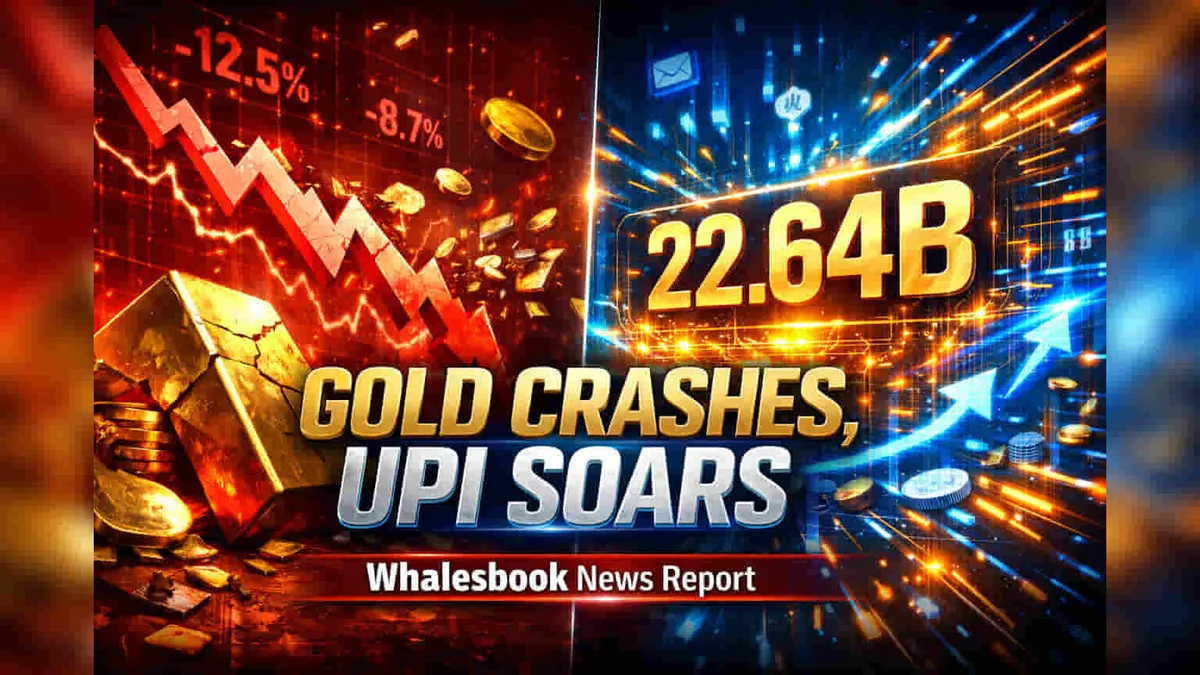
Gold prices have taken a notable hit, dropping by 2.21% to $4,677 per ounce. This decline reflects a broader trend in which investors are reacting to the heightened risks associated with international conflicts. Similarly, silver prices have also fallen, down 4.22% to $72.87 per ounce.
Wall Street futures are feeling the pressure as well, declining in response to these geopolitical tensions. The strength of the US dollar index (DXY) has increased, indicating a shift towards safe-haven investments as investors seek stability amid uncertainty.
In contrast, India’s digital economy is experiencing remarkable growth. In March 2026, the country recorded 22.64 billion transactions through the Unified Payments Interface (UPI), with a staggering total value of ₹29.53 lakh crore. This month marked the highest transaction number and value since UPI’s inception, showcasing the resilience of India’s financial technology sector.
Despite this growth, the Indian startup ecosystem is facing challenges, with funding decreasing by 56% year-on-year as of March 2026. This decline raises questions about the sustainability of innovation and investment in the region.
The Indian government has also tightened regulations on gold jewelry imports from ASEAN countries, a move likely influenced by the fluctuating global gold market. These developments underscore the interconnectedness of global economies and the impact of political decisions.
As we look ahead, the geopolitical landscape remains fraught with uncertainty. The potential for continued market volatility is high, particularly as tensions in the Middle East persist. Details remain unconfirmed about how these dynamics will evolve and their long-term implications for both the US presidency and global markets.
In summary, the interplay between geopolitical tensions, market reactions, and economic growth presents a complex picture. The US presidency’s influence on these factors will be critical as we navigate this uncertain terrain.