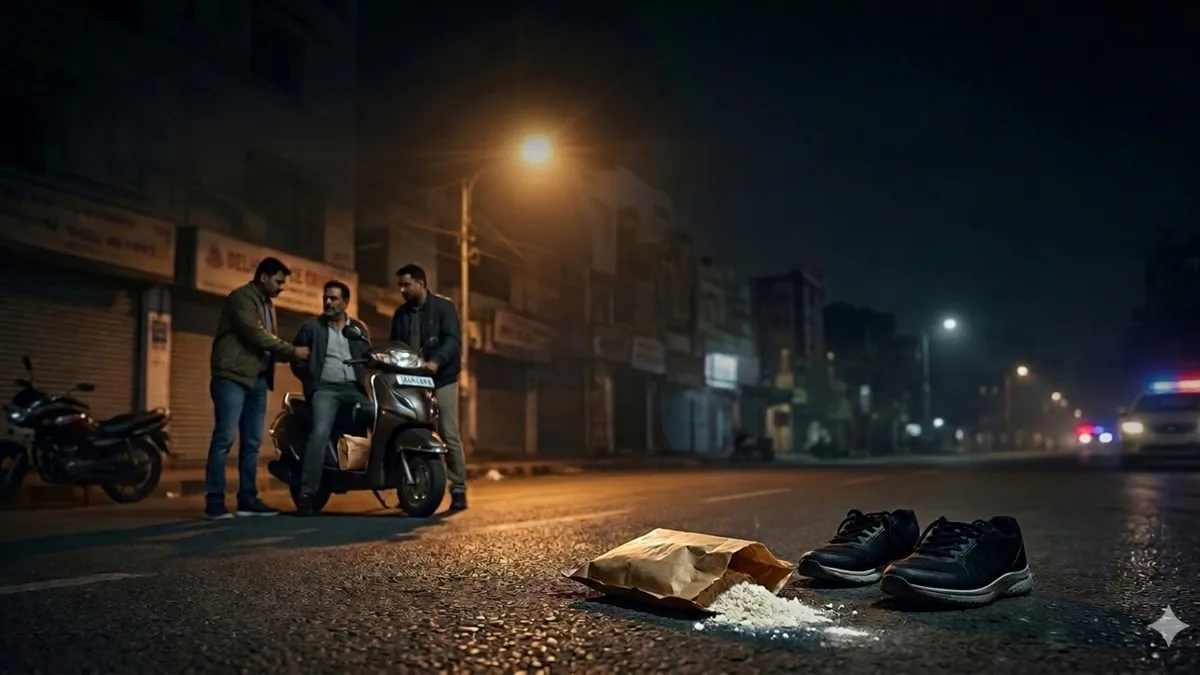
A viral video falsely linked Pakistani police street checks to the movie ‘Dhurandhar 2’, igniting a wave of misinformation across social media platforms. The footage, however, originates from an older police operation in Karachi, demonstrating how easily context can be manipulated in the digital age.
In a separate incident, a video showing a woman working on her laptop during a screening of ‘Dhurandhar: The Revenge’ went viral, capturing the attention of netizens in Bengaluru. This incident highlights the diverse narratives that can emerge from seemingly innocuous moments in public spaces.
Another viral video claimed to depict Hindus gathering in Uttam Nagar, Delhi, during Eid celebrations. However, this assertion has been debunked, as the footage actually showcased Ganesh Chaturthi celebrations in Raichur, Karnataka. The misrepresentation of this event has raised alarms about the potential for misinformation to fuel communal tensions.
Observers note that the claim of Hindus flooding the streets of Uttam Nagar is entirely false, yet it was widely circulated on social media to promote divisive narratives. This trend underscores the internet’s capacity to distort reality, creating fictional narratives around real-life occurrences.
The rapid dissemination of these videos illustrates the challenges faced by both individuals and authorities in combating misinformation. As social media continues to evolve, so too does the landscape of information sharing, often blurring the lines between fact and fiction.
Details remain unconfirmed regarding the motivations behind the creation and sharing of these misleading videos. However, the implications are clear: the potential for misinformation to incite division and unrest remains a pressing concern.