Prior Expectations for the Indian Rupee
Before the recent developments, the Indian Rupee was relatively stable against the US Dollar, with expectations that it would maintain its value amid fluctuating global economic conditions. However, the backdrop of rising crude oil prices and geopolitical tensions was already creating a precarious situation for the currency. Analysts had predicted that the rupee would face challenges if oil prices continued to rise, but the extent of the decline was not anticipated.
Decisive Moment and Immediate Numbers
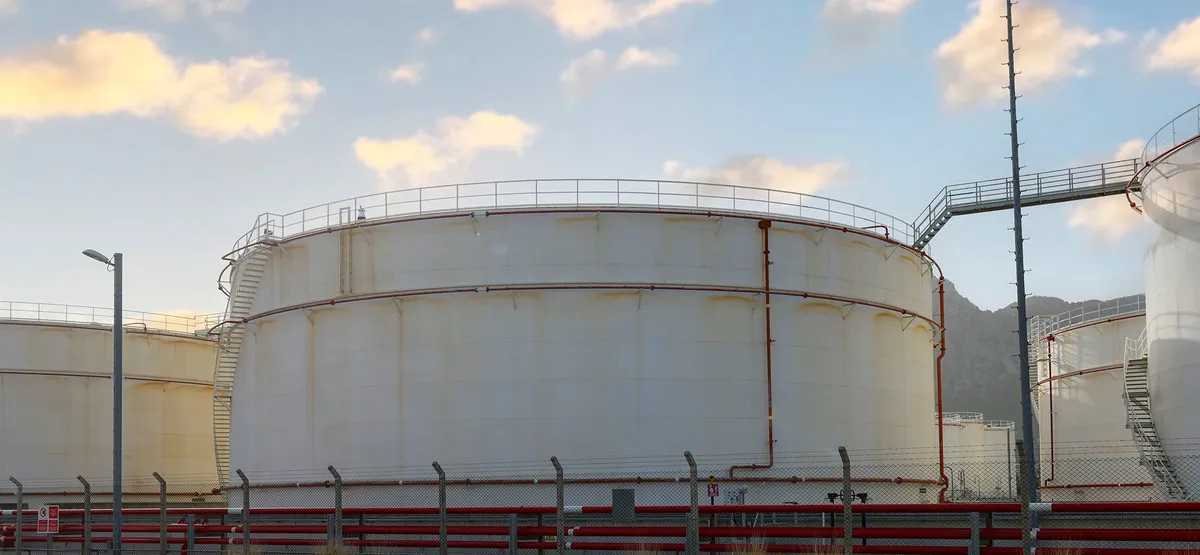
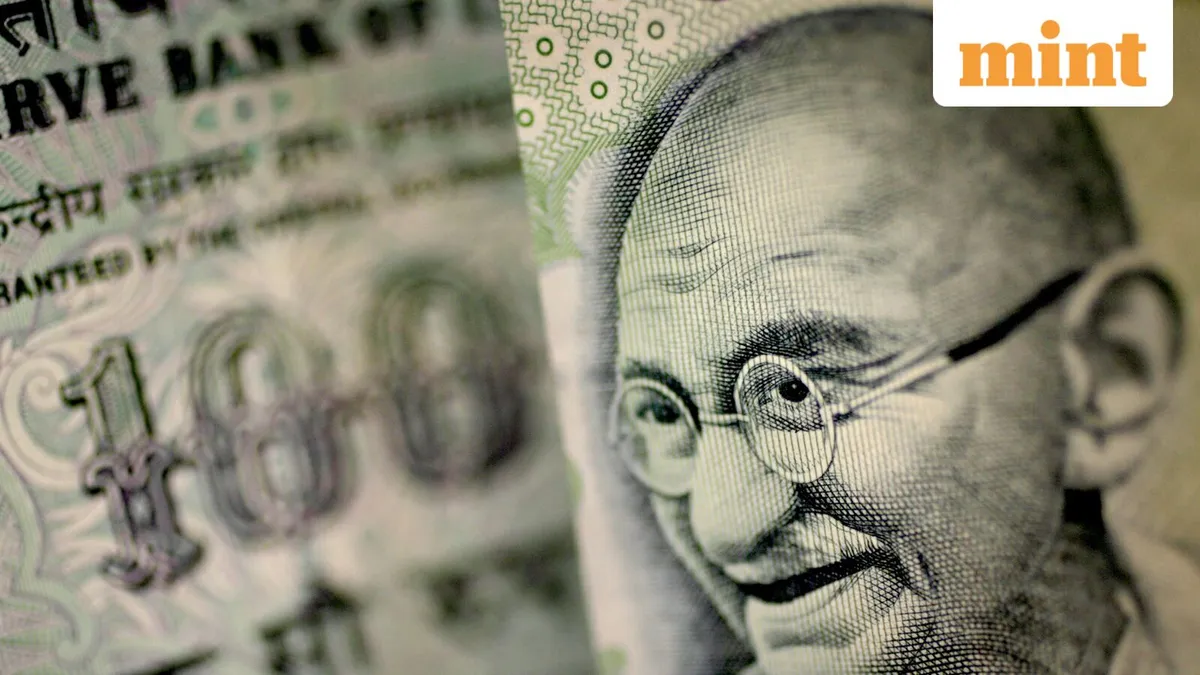
On March 9, 2026, the Indian Rupee touched a record low of 92.33 against the US Dollar. The rupee opened at 92.1975 per dollar, reflecting a 0.50% drop from the previous session. As trading progressed, the rupee slipped further, breaking its previous record low of 92.3025 and ultimately closing at 92.3350 per dollar, marking a 0.6% decline. This rapid depreciation was largely attributed to a surge in Brent crude prices, which rose over 25% to approximately $117 a barrel.
Direct Effects on the Economy
The decline of the rupee has immediate repercussions for various sectors in India. As the rupee weakens, the cost of imports rises, particularly for crude oil, which is a significant component of India’s import bill. This situation is likely to widen India’s trade deficit and exacerbate inflationary pressures within the economy. The Reserve Bank of India (RBI) is expected to intervene in the foreign exchange market to mitigate volatility, though the effectiveness of such measures remains to be seen.
Expert Perspectives on the Shift
Experts have weighed in on the implications of the rupee’s decline. Jigar Trivedi noted, “The Indian rupee slipped past 92 per dollar, marking its lowest level on record, pressured by soaring oil prices and heightened geopolitical tensions in the Middle East.” Anil Kumar Bhansali added, “Rupee will remain vulnerable to the rising oil prices which have risen by more than 28% since the last closure on Friday.” These insights highlight the broader economic challenges facing India as it grapples with external pressures.
Market Reactions and Investor Sentiment
The market response to the rupee’s decline has been swift. Foreign institutional investors were net sellers, offloading equities worth Rs 6,030.38 crore on the preceding Friday. This trend indicates a lack of confidence in the Indian market amid rising oil prices and a weakening currency. The dollar index also rose by 0.66% to 99.64, further complicating the situation for the rupee.
Future Outlook and Potential Scenarios
Looking ahead, the outlook for the Indian Rupee remains uncertain. Analysts warn that if oil prices stay above USD 100, the rupee could potentially reach 93.00 in upcoming trading sessions. The ongoing geopolitical tensions and their impact on oil supply chains will be critical factors to monitor. As Ponmudi R pointed out, “The USD/INR pair has reached new highs amid geopolitical tensions and rising oil costs,” indicating that the situation may not stabilize soon.
The recent developments surrounding the USD INR exchange rate underscore the fragility of the Indian Rupee in the face of external economic pressures. With rising oil prices and geopolitical tensions, the currency’s future remains precarious, and the implications for the Indian economy could be profound. As the Reserve Bank of India considers its next steps, the focus will be on how to navigate these turbulent waters while safeguarding economic stability.