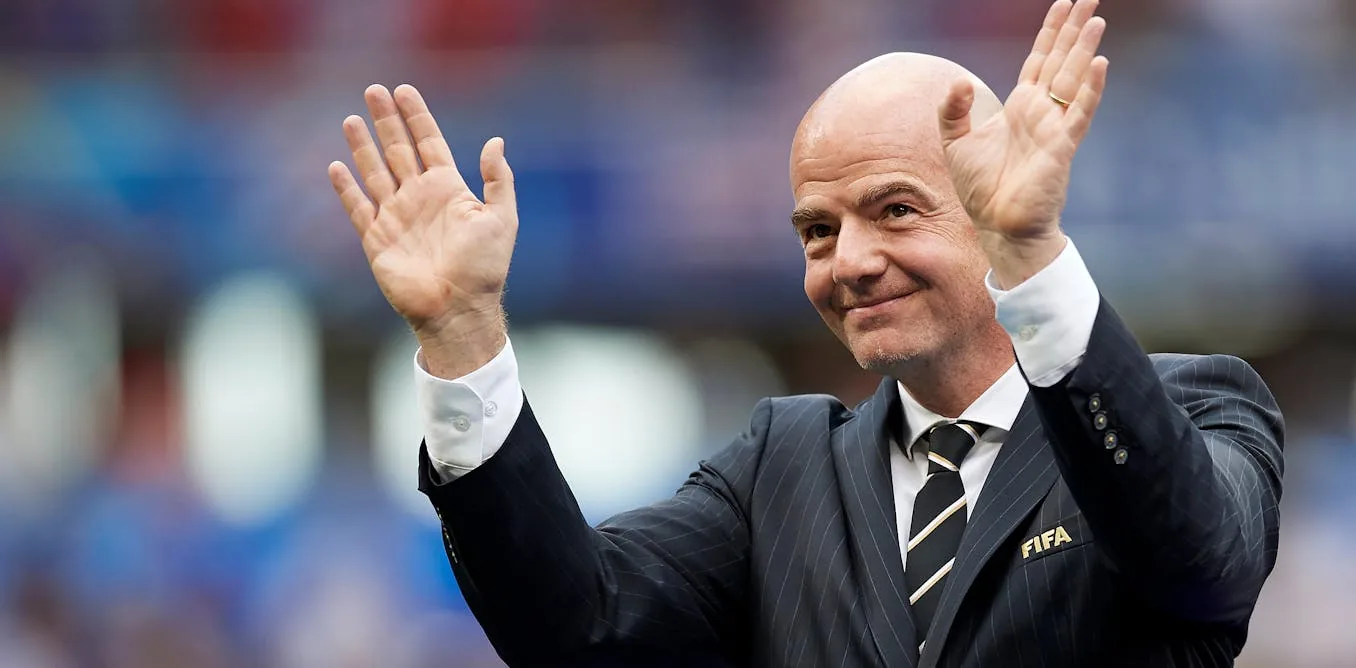
The future of FIFA president Gianni Infantino should be determined by an election, according to Patrice Motsepe, the head of the Confederation of Africa Football (CAF). This statement follows the Football Association of Ireland (FAI) becoming the latest federation to withdraw its support for Infantino.
Infantino has faced criticism regarding his proposal to sell stakes in the World Cup to private investors. Governing bodies for European football (UEFA), North and Central America (CONCACAF), and Asia (AFC) have collectively expressed concerns in a joint letter, stating that trust has been broken when an individual prioritises personal interests over the collective authority entrusted to them.
Calls for accountability and electoral process
While some regional football bodies are reportedly seeking Infantino’s resignation before the re-election scheduled for March next year, Motsepe, who is also a FIFA vice president, maintains that the decision should rest with the ballot box. He emphasised that if there are issues with any individual, the established FIFA process, including elections, should be followed.
Motsepe suggested that the 211 member associations should decide through a vote whether they have confidence in Infantino. He highlighted the upcoming elections next year and questioned whether the process should be allowed to continue. Motsepe was in Salzburg for the UEFA Super Cup, where he held discussions with UEFA President Aleksander Ceferin. UEFA has reportedly threatened to boycott the World Cup and Club World Cup in protest against Infantino’s plans.
Motsepe stated that he is cautious about passing judgment on various issues, stressing that everyone has a right to be heard in a proper forum. CAF had previously supported Infantino, and Motsepe indicated that the proposals for the World Cup sell-off talks would be submitted to FIFA members for final approval, suggesting no breach of rules.
Infantino has acknowledged that aspects of the process could have been handled differently and has apologised. Despite this, criticism against him has continued. The FAI announced its decision to rescind its earlier letter of support for Infantino following a board meeting. The association cited significant concerns regarding governance, transparency, and a lack of meaningful consultation.
The English FA and Welsh FA had previously withdrawn their backing for Infantino. In contrast, six Arab federations, including Qatar, Morocco, and Egypt, offered their support to Infantino.
The debate over football’s ownership
The controversy surrounding FIFA’s plans to sell a stake in future World Cup profits has brought into focus the question of who truly owns sport. UEFA has asserted that “none of us are the owners of football,” while fan organisation Football Supporters Europe and players’ union FifPro Europe advocate for the sport to remain accessible to the public.
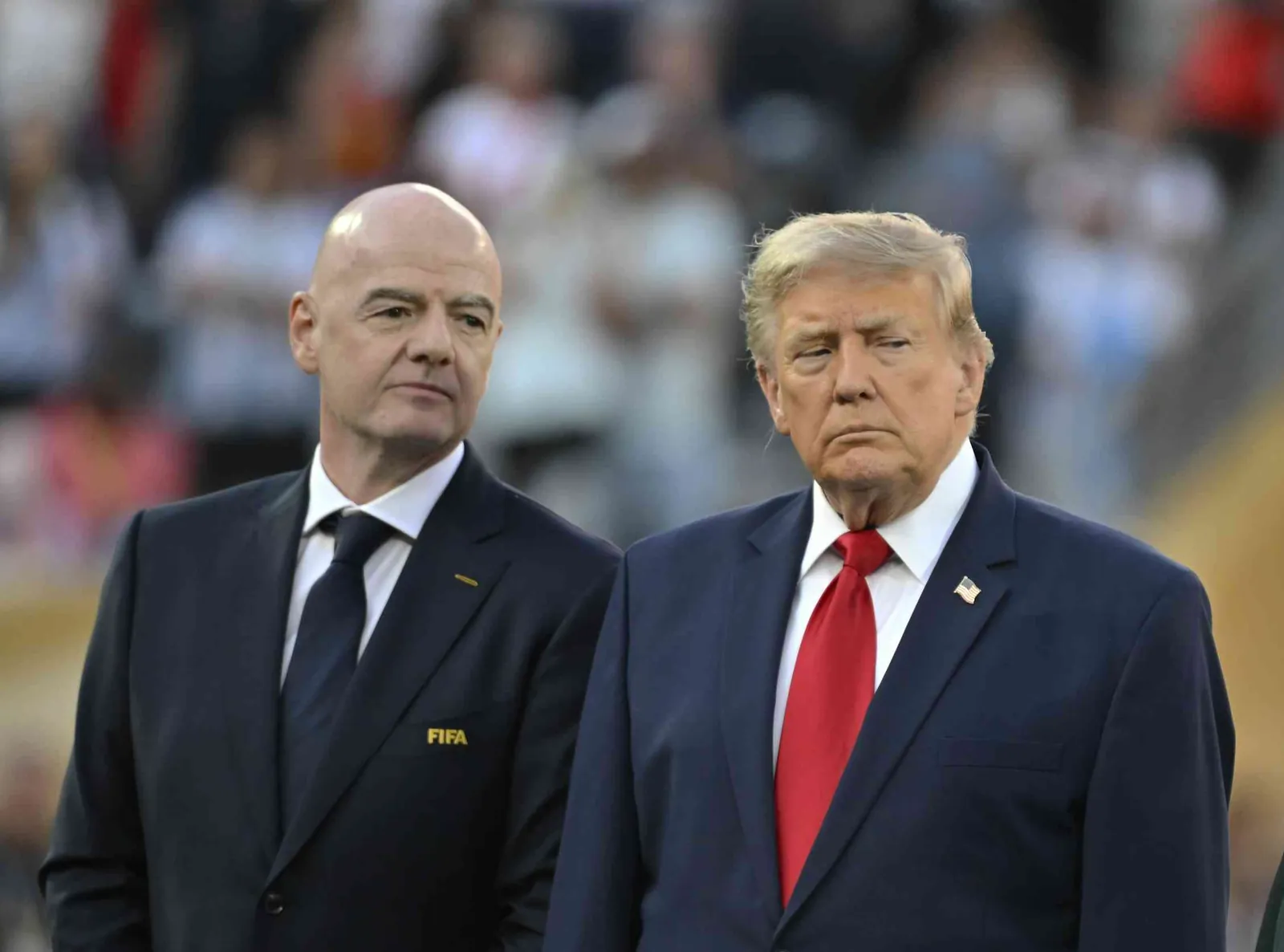
The potential privatisation of football has caused considerable discussion within the sport’s leadership. The joint letter from UEFA, CONCACAF, and the Asian Football Confederation called for accountability, demanding leadership that serves football rather than seeking to control it. This pushback has occurred despite public support for Infantino from figures such as US president Donald Trump.
Sports organisations, as businesses, often differ from other industries due to their multifaceted nature, combining entertainment, charity, and athlete development. This can lead to tension between commercial objectives and community service. Unlike heavily regulated monopolies in sectors like electricity or transport, sports organisations often face less regulation, which can open the door to privatisation with varying outcomes.
Examples of privatisation in sport include Liv Golf, which disrupted the golf industry with higher payouts for players but faced financial struggles, and Formula One, which saw financial and viewership revival after private equity investment and a partnership with Netflix. However, spectators often react negatively to the suggestion of privatisation, as seen in fan protests in Germany regarding private investment in the Bundesliga in 2024 and in the UK concerning plans for a European Super League in 2021.
Fans often view their clubs as community assets, while owners typically focus on returns on investment. This divergence can lead to legal challenges against sporting authorities. There have been demands from women, athletes, and fans for greater involvement in the governance of sporting bodies to improve oversight. Corporations are also shifting their involvement, with sponsorship deals increasingly focusing on shared value, and some sponsors withdrawing support when governance issues arise.
The need for funding for facilities, training, and administration is often cited as a reason for considering privatisation. However, in FIFA’s case, with substantial financial reserves, the necessity for such measures has been questioned. As UEFA commented, some aspects of the sport are considered too important to be sold.
The debate over Infantino’s leadership and the future of FIFA’s commercial strategies continues, with the FAI’s withdrawal of support on Thursday highlighting ongoing concerns.
Source: aljazeera.com