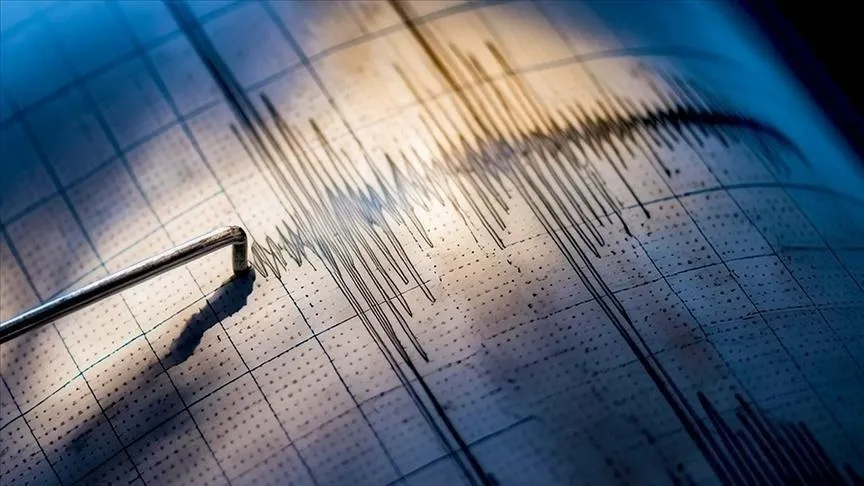
In the remote South Shetland Islands of Antarctica, expectations of seismic stability were abruptly shaken by a magnitude 6.7 earthquake that struck at a depth of 10 km (6.21 miles). Prior to this event, the region was known for its seismic activity, yet it had not experienced a quake of this magnitude in recent times, leading many to believe that such significant disturbances were less likely.
The decisive moment came when the earthquake rattled the islands, sending ripples of concern across the globe. The US Tsunami Warning System quickly assessed the situation, declaring that no tsunami was expected for the US Atlantic, Gulf, or Pacific coasts. This swift response was crucial in alleviating fears of an ocean-wide disaster.
Despite the earthquake’s strength, there were no immediate reports of damage or casualties, a relief for the local population and the international community monitoring the situation. The absence of a tsunami warning contrasted sharply with the heightened anxiety that often accompanies such seismic events.
On the same day, March 18, 2026, multiple regions worldwide experienced moderate earthquake activity, including a 4.2 magnitude quake in Indonesia and a 4.5 magnitude tremor in Spain. However, these earthquakes, occurring at depths of 157 km and 75 km respectively, did not trigger any tsunami warnings either, as their moderate strength and depth rendered them incapable of causing significant ocean disturbances.
Japan also felt the tremors with a 4.3 magnitude earthquake near the Izu Islands at a staggering depth of 503 km. Like the others, this event did not result in tsunami alerts, reinforcing the notion that not all seismic activity leads to catastrophic outcomes.
Authorities continue to monitor seismic conditions closely, ensuring public safety remains a priority. Experts emphasize the importance of preparedness, especially in seismically active regions like the South Shetland Islands, where the potential for earthquakes is a constant reality.
The South Shetland Islands, known for their geological volatility, serve as a reminder of nature’s unpredictable power. While this recent earthquake did not lead to a tsunami, it highlights the necessity for ongoing vigilance and the effectiveness of early warning systems in mitigating potential disasters.
Details remain unconfirmed regarding any aftershocks or additional seismic activity in the region, but the immediate response has been commendable. The global community watches and waits, ever aware of the delicate balance between nature’s fury and human resilience.