What the data shows
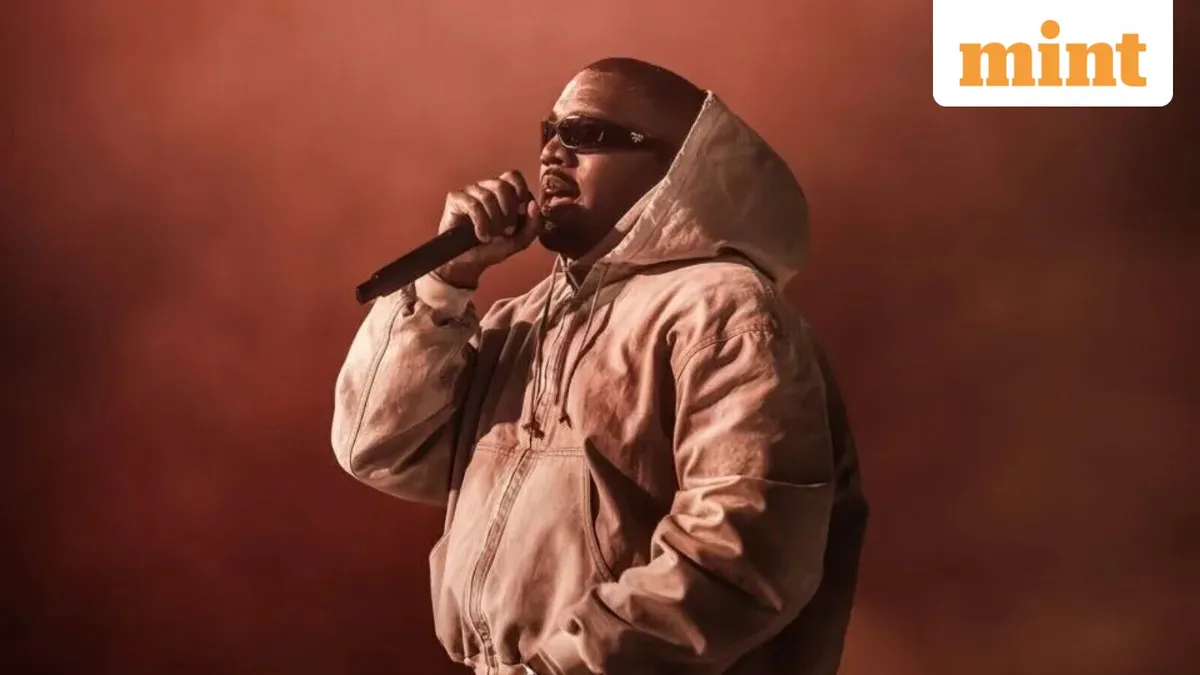
What happens when two of hip-hop’s most influential artists share the stage? On April 5, 2026, at the SoFi Stadium in Los Angeles, Travis Scott and Kanye West delivered a night to remember, raising questions about the dynamics of collaboration in a controversial climate. The answer is a resounding showcase of talent and resilience.
Kanye West headlined a sold-out concert that not only featured his own performances but also included Travis Scott and the legendary Lauryn Hill. The event was particularly notable given the backdrop of West’s recent controversies, including backlash from his previous antisemitic remarks. Despite this, the concert drew a massive crowd, eager to witness the musical synergy of these artists.
During the concert, West performed tracks from his latest album, “Bully,” which is his twelfth studio release. The album has been a focal point of discussion, especially with the recent release of the music video for the single “Father,” directed by Bianca Censori, who is also West’s wife. The video, which features a surreal church setting and was shot in a single take, garnered an impressive 5.5 million views within just 24 hours of its release.
Lauryn Hill’s surprise appearance at the concert was a highlight, where she performed alongside West, including a rendition of the classic “All Falls Down.” However, her presence was met with mixed reactions online, with some fans criticizing the collaboration as a tacit endorsement of West’s controversial past. The concert also featured North West, Kanye’s daughter, who performed alongside her father, adding a personal touch to the evening.
Travis Scott, who has been a longtime collaborator of West, performed tracks from “Bully” as well, reinforcing the bond between the two artists. The presence of Scott and Hill on stage, despite the surrounding controversies, suggests a core circle of artists willing to support West during turbulent times. As one observer noted, “The presence of longtime collaborator Scott and Green… added to the sense that, despite the backlash, a core circle of artists remains willing to share West’s stage.”
Bianca Censori, reflecting on her directorial debut with the “Father” music video, stated, “As my directorial debut, it felt like a natural extension of my background in architecture and performance art.” She emphasized the importance of the set’s architecture, noting that “a single frame had to hold and give structure to everything unfolding within it.” This artistic vision was evident in the concert’s production, which seamlessly blended music and visual storytelling.
As the night unfolded, it became clear that the concert was not just a musical event but a statement of solidarity among artists in the face of adversity. However, the lingering questions about the implications of such collaborations in today’s cultural climate remain. For some, the moment felt less like a musical reunion than a tacit endorsement of West’s controversial past, leaving fans and critics alike to ponder the future of these artists.
Details remain unconfirmed regarding the long-term impact of this concert on the artists’ careers and public perception. As they continue to navigate the complexities of fame and controversy, the music world watches closely, eager to see what comes next for Travis Scott and Kanye West.