Transition of Power in Iran
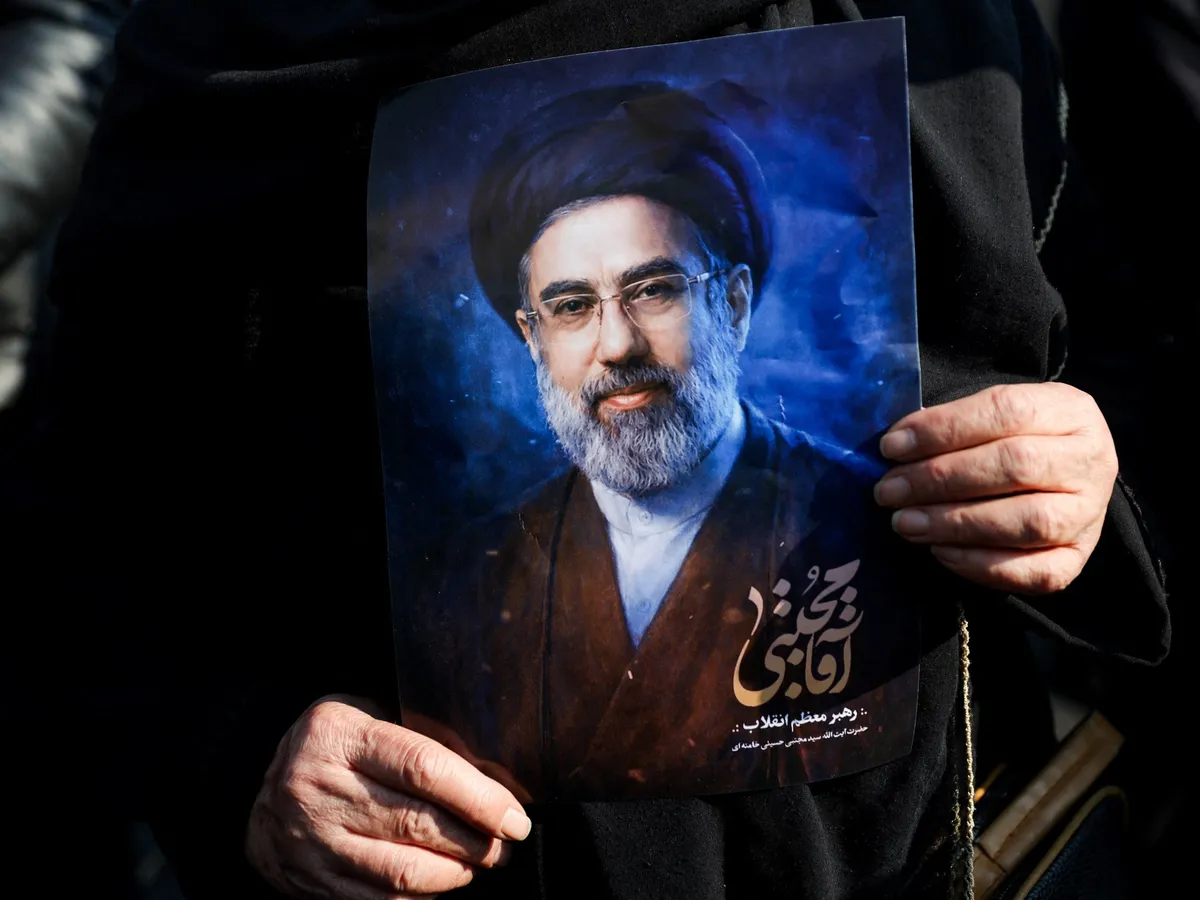
The political landscape in Iran has undergone a significant transformation with the appointment of Mojtaba Khamenei as the new Supreme Leader on March 9, 2026. This development follows the death of his father, the late Supreme Leader Ayatollah Ali Khamenei, amid escalating tensions and conflict with the United States and Israel.
Prior to this change, expectations were centered around the stability and continuity of leadership under Ali Khamenei, who had held power for over three decades. His passing raised questions about the future direction of Iran, especially given the ongoing geopolitical challenges.
Decisive Moment
Mojtaba Khamenei’s appointment was marked by immediate backing from Iran’s political and security establishment, signaling a desire for continuity in leadership. His rise to power, however, comes with the shadow of his father’s controversial legacy, which included significant bloodshed and repression.
In the wake of his appointment, mass rallies were held across Iran, demonstrating public support for the new leader. Notably, Oman’s Sultan and Iraqi Prime Minister Mohammed Shia al-Sudani expressed their confidence in Khamenei’s ability to lead during this critical period.
International Reactions
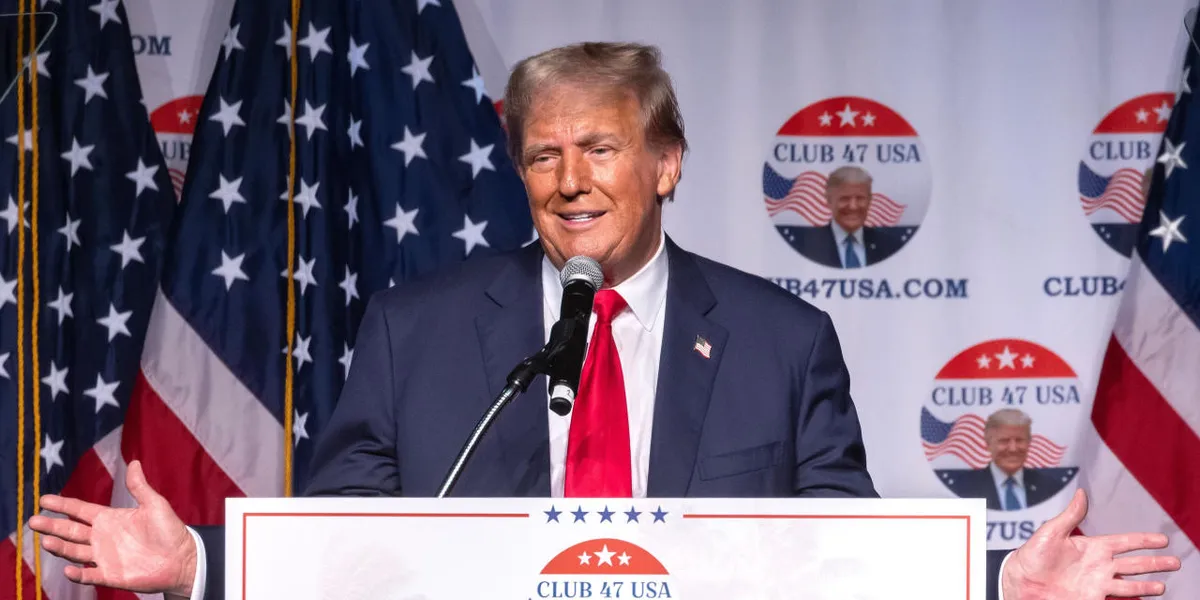
Contrastingly, the international response was mixed. US President Donald Trump criticized the appointment as a mistake, suggesting uncertainty about its longevity. Meanwhile, Israel’s Foreign Ministry condemned Khamenei, labeling him a ‘tyrant’ and issuing threats against him.
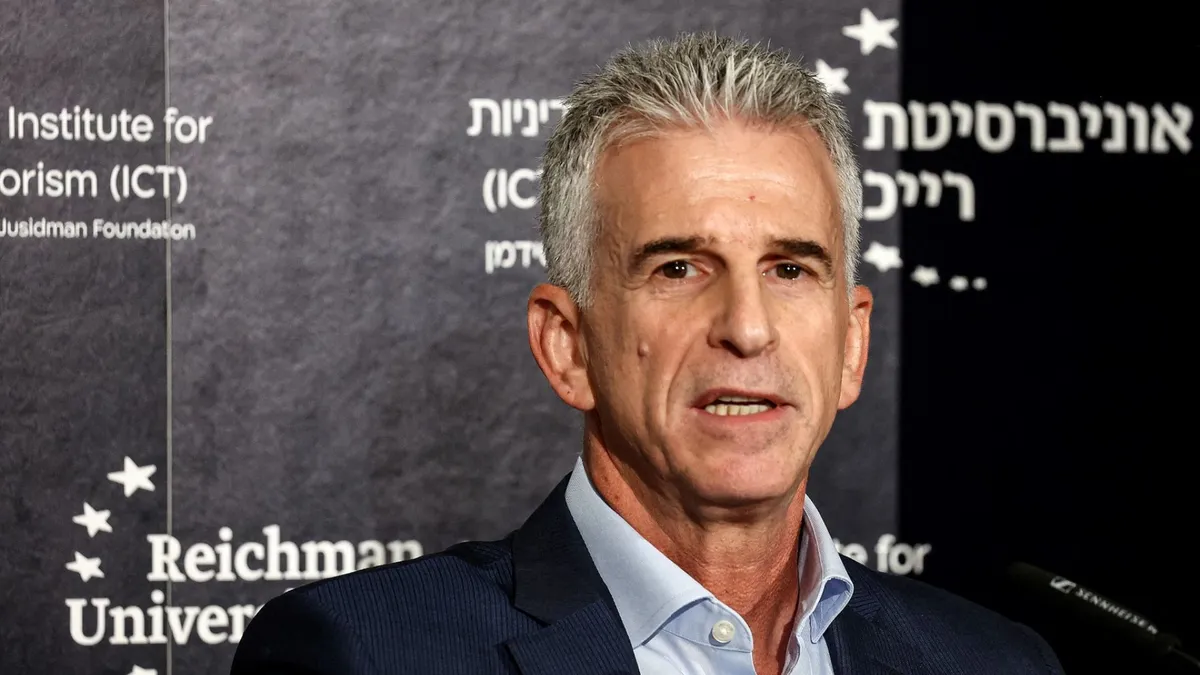
In stark contrast, Russian President Vladimir Putin pledged unwavering support for Iran, emphasizing the need for courage and dedication in facing external threats. Yemen’s Houthis also congratulated Khamenei, reflecting regional backing amidst the ongoing crisis.
Expert Perspectives
Experts note that Mojtaba Khamenei’s leadership will be scrutinized closely, particularly given the historical context of his father’s rule. As the new Supreme Leader navigates this sensitive stage, the implications for Iran’s domestic and foreign policy remain to be seen.
Overall, the shift in leadership marks a pivotal moment for Iran, with both challenges and opportunities ahead as the nation grapples with its identity and role on the global stage.