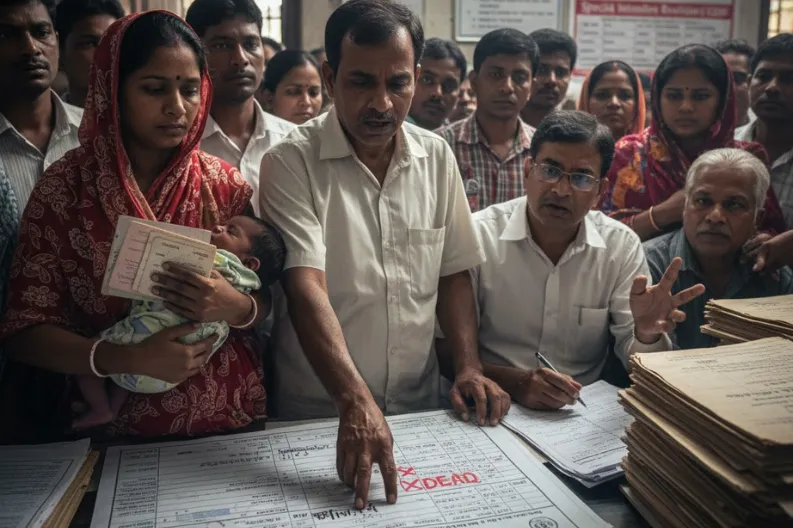
In the lead-up to the supplementary voter list 2026, expectations were high yet fraught with uncertainty. The earlier draft roll had included a staggering 7,08,16,630 names, but concerns lingered over the accuracy and completeness of this data. The Election Commission of India (ECI) and the West Bengal Chief Electoral Officer (CEO) faced mounting pressure as they prepared for the upcoming elections, with the integrity of the voter list under intense scrutiny.
However, a decisive moment arrived on March 24, 2026, when the first supplementary voter list was published. This pivotal release marked a significant shift, with 27 lakh pending voter records settled and approximately 2 lakh names processed daily. The urgency of the situation was underscored by the completion of 29 lakh adjudications out of the 60 lakh cases placed under judicial review, a remarkable feat that highlighted the ECI’s commitment to transparency.
The implications of this development are profound for all parties involved. With the total number of voters in the state now standing at 7,04,59,284, the stakes have never been higher. The meticulous work of the ECI has not only addressed long-standing grievances but also reinstated faith in the electoral process. In a move to ensure accountability, 73 Returning Officers were removed, signaling a zero-tolerance approach to inefficiency and malpractice.
Expert voices, such as Manoj Kumar Agarwal, have emphasized the importance of this supplementary list. “Voters whose names are excluded from the supplementary list will be able to appeal through these tribunals,” he noted, indicating a structured pathway for addressing voter concerns. This proactive measure aims to bolster public confidence and ensure that every eligible voter has a fair chance to participate in the democratic process.
Moreover, the centralised processing of the list is ongoing in the office of the apex poll body in Delhi, showcasing a coordinated effort to streamline electoral operations. As the model code of conduct is strictly enforced across all assembly constituencies, the atmosphere is charged with anticipation for the upcoming electoral battle.
The hard copy of the supplementary list will be made available at the offices of the district electoral officers (DEOs), ensuring accessibility for all voters. This move is expected to facilitate greater engagement and participation from the electorate, particularly in a state where political dynamics are often contentious.
As West Bengal navigates this critical juncture, the supplementary voter list 2026 stands as a testament to the ECI’s resolve to uphold democratic principles. The changes implemented not only reflect a commitment to electoral integrity but also signal a new chapter in the state’s political landscape.
In the coming weeks, as the dust settles on this significant update, the focus will shift to how these changes will influence voter turnout and party strategies in the lead-up to the elections. The landscape of West Bengal politics is evolving, and the implications of the supplementary voter list will undoubtedly resonate throughout the electoral process.