The Indian stock market is set to observe multiple holidays in 2026, a factor that will significantly influence trading and banking operations. Investors and traders alike are bracing for the impact of these holidays, which are scheduled throughout the year.
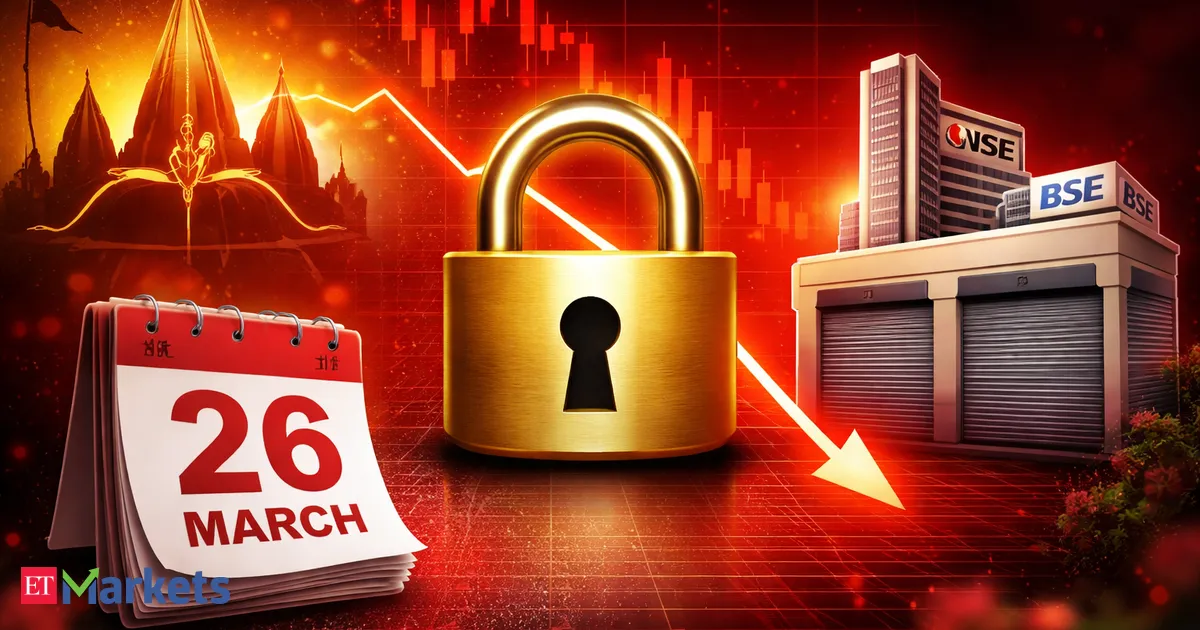
Among the notable dates, March 26, 2026, will mark a holiday for Ram Navami, followed closely by Mahavir Jayanti on March 31. April will see three holidays, including Good Friday on April 3 and Ambedkar Jayanti on April 14, further affecting market activities.
As the year progresses, May will bring additional pauses in trading with Maharashtra Day on May 1 and Eid al-Adha on May 28. June will also see a holiday for Muharram on June 26. The festive season continues with Ganesh Chaturthi on September 14 and Gandhi Jayanti on October 2, followed by Dussehra on October 20.
November will conclude the year with Diwali on November 10 and Guru Nanak Gurpurab on December 24, marking a total of ten holidays remaining in 2026. This schedule is crucial for investors, especially in light of recent market fluctuations.
In March 2026 alone, the Sensex and Nifty experienced a notable decline of 7.09%, with foreign institutional investors (FIIs) pulling out a staggering ₹97,000 crore. Year-to-date withdrawals have reached 1.45 lakh crore, raising concerns among market analysts.
Currently, the P/E ratio of the Nifty 50 stands at 20x, reflecting investor sentiment amidst these holidays. Economic forecasts suggest a GDP growth rate of 7.3–7.5%, which could influence market recovery as the year unfolds.
As the holidays approach, market observers are keenly watching how these breaks will affect trading volumes and investor confidence. The upcoming holidays could provide both challenges and opportunities for traders navigating the Indian stock market landscape.
With these developments, stakeholders are encouraged to stay informed and adjust their strategies accordingly. The impact of these holidays on market dynamics will be closely monitored as 2026 progresses.