What the data shows
What does the Special Intensive Revision (SIR) of electoral rolls in West Bengal mean for the state’s political future? As the Election Commission of India (ECI) prepares to publish the first supplementary voter list under this process, the implications are profound and far-reaching. The SIR has already led to the settlement of 27 lakh pending voter records, with approximately 2 lakh names being processed daily, showcasing a significant administrative effort to streamline the electoral process.
However, the SIR has not come without controversy. A staggering 61.7 lakh names have been deleted from the electoral rolls, raising questions about the integrity and inclusiveness of the voter list. This drastic action has left more than 60 lakh citizens’ names under adjudication, indicating a tumultuous period ahead for voters and political parties alike. The establishment of 19 appeal tribunals across 23 districts, staffed by former judges of the High Court, aims to address grievances arising from these deletions, but the effectiveness of this measure remains to be seen.
In the heart of this electoral upheaval lies the Bhabanipur Assembly constituency, where 47,000 names were removed during the SIR exercise. This constituency is particularly significant as it was won by Chief Minister Mamata Banerjee in 2021 with a margin of just 58,832 votes. Banerjee’s confidence in her electoral prospects is palpable; she famously declared, “I will win from Bhabanipur even if by only one vote.” This statement underscores her determination to maintain her political stronghold amid the ongoing revisions.
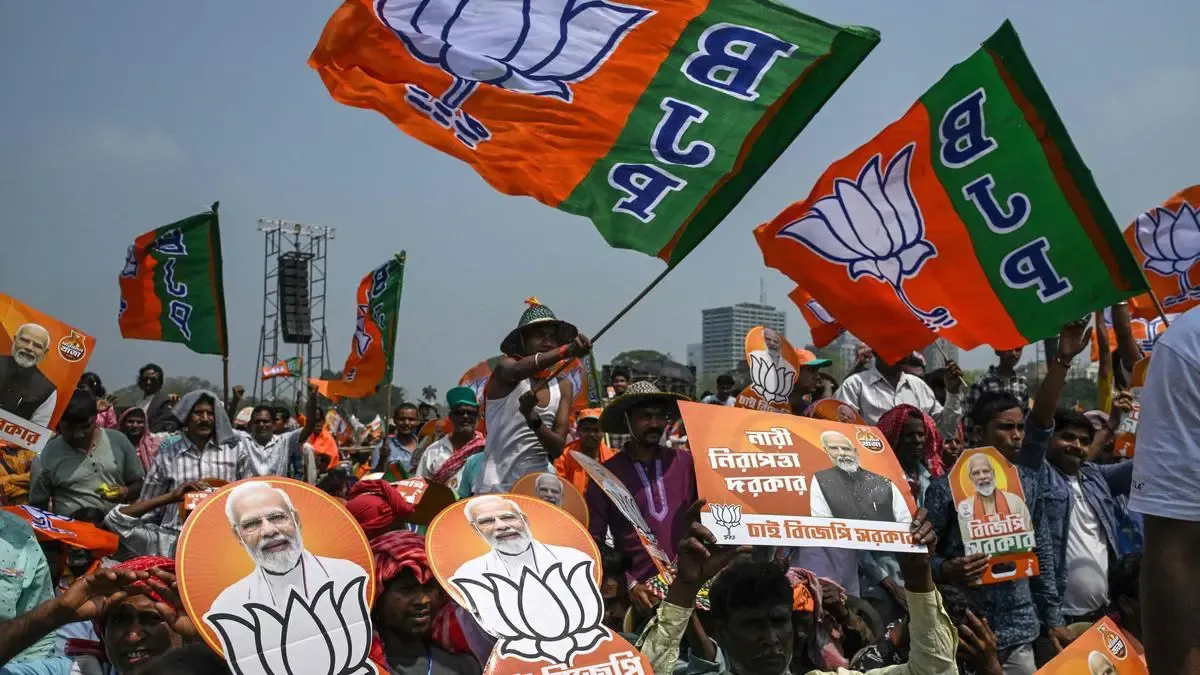
The political landscape in West Bengal is further complicated by the ongoing rivalry between the ruling Trinamool Congress (TMC) and the Bharatiya Janata Party (BJP). The TMC currently enjoys a lead over the BJP in both vote percentage and the number of seats. However, the BJP has accused the TMC of attempting to manipulate the voter list to retain the names of illegal immigrants and even deceased individuals. Prime Minister Narendra Modi has been vocal about these allegations, stating, “The Trinamool does not want the voter list to be rectified in order to retain the names of the illegal immigrants… they even want to retain the names of the dead.” This accusation adds another layer of complexity to an already charged political atmosphere.
The SIR process has undoubtedly resulted in significant deletions from the electoral rolls, which could have a profound impact on the upcoming elections. As political parties strategize and mobilize their supporters, the uncertainty surrounding the final voter list may influence their campaign tactics and outreach efforts. The stakes are high, and with the elections approaching, every vote will count more than ever.
Looking ahead, the ramifications of the SIR process will continue to unfold. The ECI’s commitment to transparency and fairness in the electoral process will be tested as the appeal tribunals begin their work. Voters in West Bengal are left in a state of limbo, awaiting clarity on their electoral status and the implications of the changes made to the rolls.
Details remain unconfirmed regarding the final outcomes of the appeals and the overall impact on voter turnout. As the political landscape evolves, all eyes will be on West Bengal, where the SIR process has set the stage for a dramatic electoral showdown.