Before the recent judgement, the Sathankulam case had been a symbol of the deep-rooted issues of police brutality in India. The tragic deaths of Jayaraj and Bennix in June 2020, during the COVID-19 lockdown, sparked nationwide outrage and protests against custodial violence. The public expectation was for a fair trial that would hold the responsible parties accountable, yet skepticism lingered about the outcome.
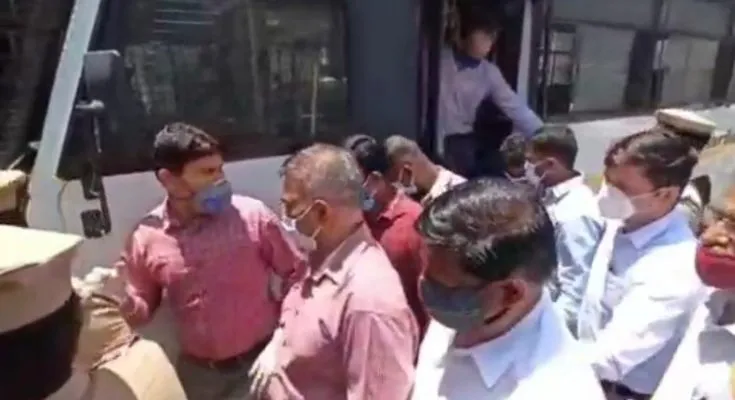
On March 23, 2026, a decisive moment arrived when the First Additional District and Sessions Court in Madurai found all nine police officers involved in the case guilty. This ruling came after nearly six years of legal proceedings, during which more than 100 witnesses were examined. The court’s conclusion that the deaths were a result of murder, rather than self-inflicted injuries as argued by the defense, marked a significant turning point in the pursuit of justice.
The immediate effects of this judgement are profound. Families of Jayaraj and Bennix, who had endured a long and painful wait for justice, now see a glimmer of hope. The sentencing for the guilty officers is set for March 30, 2026, raising anticipation about the potential penalties they may face. This case has not only highlighted the tragic consequences of custodial violence but has also reignited discussions about police accountability across the nation.
Judge G Muthukumaran’s statement, “The injuries inflicted on Jayaraj and Bennix were unnatural, which ultimately caused their death,” underscores the severity of the police’s actions. The case has drawn attention to the broader implications of custodial violence, with experts emphasizing that such incidents reflect systemic issues within law enforcement.
The Madurai bench of the Madras High Court had previously taken suo motu cognizance of the case, directing a judicial inquiry that ultimately led to the investigation being transferred to the Central Bureau of Investigation. This move was crucial in ensuring a thorough examination of the facts, as the initial response from local authorities had been met with skepticism.
As the nation reflects on this landmark ruling, the words of the High Court resonate: “Justice delayed is justice denied and justice hurried is justice buried.” This sentiment captures the essence of the struggle faced by victims of police brutality and their families, who often find themselves battling against a system that seems indifferent to their plight.
The Sathankulam case judgement not only serves as a reminder of the need for accountability in law enforcement but also as a call to action for reforms that can prevent such tragedies from occurring in the future. As the sentencing date approaches, the eyes of the nation remain fixed on Madurai, hopeful for a resolution that honors the memory of Jayaraj and Bennix.