As El Salvador approaches a pivotal moment in its ongoing battle against gang violence, the atmosphere is charged with tension. President Nayib Bukele’s administration has implemented a state of exception that has lasted four years, leading to the detention of approximately 91,000 individuals, many of whom are accused of being affiliated with notorious gangs like Mara Salvatrucha and Barrio 18.
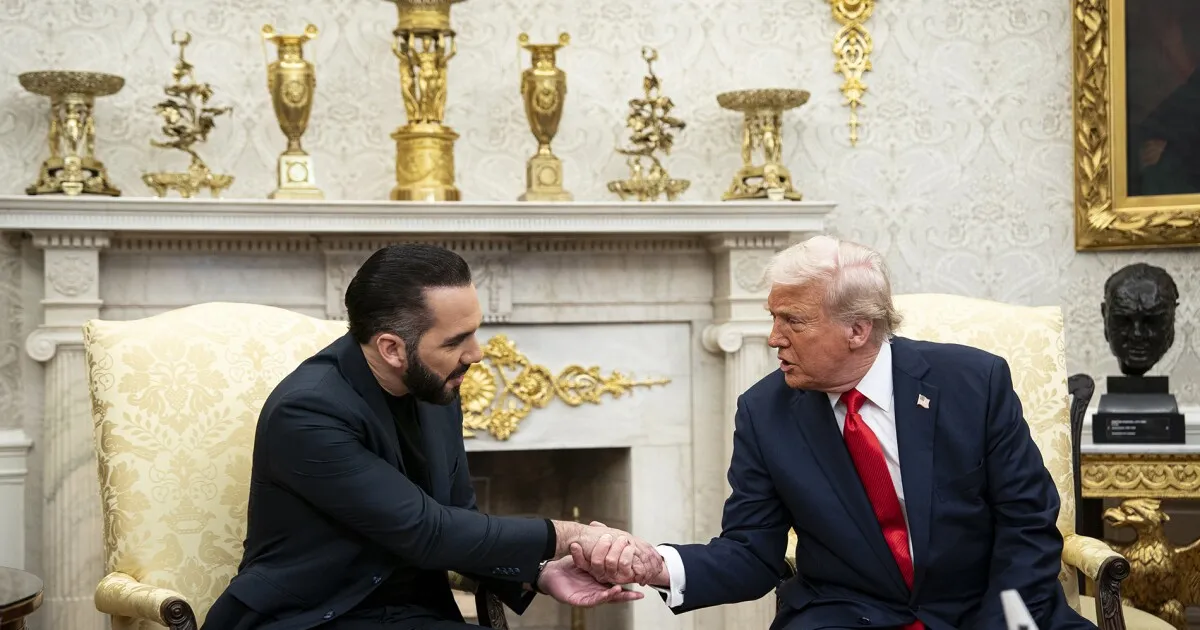
On April 7, 2026, the documentary titled “The Deal: Trump, Bukele & the Gangs of El Salvador” premiered, shedding light on the controversial agreements between Bukele and former President Donald Trump. These deals included provisions for imprisoning deportees suspected of gang involvement, a move that has drawn both national and international scrutiny.
In recent months, mass trials have surged forward, with the attorney general’s office promising 3,000 indictments in the first quarter alone. This has resulted in large groups of detainees, including Jonathan, a 24-year-old maquila worker, being grouped with about 80 others for trial. The trials, however, have been criticized for lacking basic guarantees of due process, raising fears of wrongful convictions.
Williams Díaz, another detainee, was arrested while on his way to work and now awaits trial in a mega-prison designed specifically for gang members. The Salvadoran government has even approved life imprisonment for gang members, including minors, a decision that has sparked outrage among human rights advocates.
Human Rights Watch has documented numerous cases where detentions were triggered by anonymous calls or neighborhood disputes, further complicating the landscape of justice in El Salvador. Critics argue that the reforms to the organized crime law have eliminated crucial hearings where evidence is evaluated, effectively declaring guilt before the trial even begins.
Amidst this turmoil, Bukele remains popular among many Salvadorans for his aggressive stance against gang terror, despite reports of wrongful arrests and the grim reality of over 500 deaths reported in prisons under the state of exception. As Gladis Villatoro, a lawyer, poignantly noted, “Some will pay for others. If they convict one, they convict the whole group.”
Reynaldo Santos, a 58-year-old detainee, described the situation as “Russian roulette, anguish, an ordeal,” reflecting the deep anxiety felt by those caught in the system. An anonymous lawyer echoed this sentiment, stating, “From the moment they group them together, they are declaring them guilty.”
As the trials progress and the documentary raises awareness, the international community watches closely. Details remain unconfirmed regarding the exact number of wrongful arrests and the specifics of the deal between Trump and Bukele, but the implications for the people of El Salvador are profound.
With the future uncertain, the struggle against gang violence continues to shape the narrative of El Salvador, leaving many to wonder what justice truly means in a system fraught with challenges.