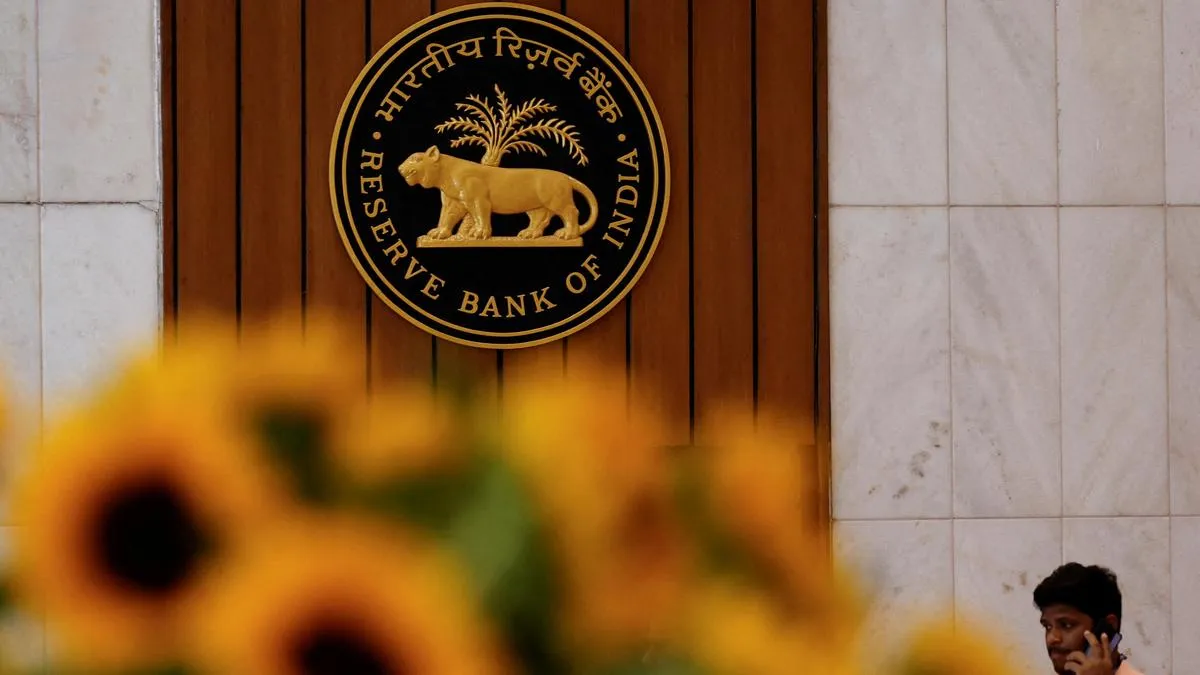
In the lead-up to a significant regulatory shift, the Reserve Bank of India (RBI) was poised to implement new capital market exposure rules by April 1, 2026. These guidelines, which were initially issued in February 2026, aimed to reshape how banks finance acquisitions by Indian corporates. However, as the deadline approached, the RBI found itself inundated with requests for more time and clarity from banks, capital market intermediaries, and various industry bodies.
In a decisive moment for the financial sector, the RBI announced a three-month postponement of the new rules, pushing the effective date to July 1, 2026. This extension was not merely a bureaucratic delay; it reflected the complexities and operational challenges that stakeholders faced in adapting to the new framework. The RBI stated, “The Reserve Bank has since received representations from banks, CMIs, and various industry associations seeking an extension of the effective date, and also flagging certain operational and interpretational issues for clarification.”
As a result of this postponement, banks now have additional time to align their operations with the amended guidelines. The new rules include caps on loans to individuals against eligible securities, set at ₹1 crore, and a limit of ₹25 lakh for subscribing to shares under IPOs, FPOs, or ESOPs. This regulatory shift aims to ensure that acquisition finance is directed towards acquiring control over non-financial target companies, allowing banks to extend financing more judiciously.
The backdrop of this decision is marked by economic turbulence, as the Indian rupee recently hit a historic low of ₹94.81 against the dollar, a decline of four percent since the onset of the ongoing conflict in the region. This depreciation has raised concerns about the stability of the financial markets and the potential impact on capital flows.
In light of these developments, banks have also been directed to unwind large currency positions by April 10, 2026, further complicating the financial landscape. The RBI’s decision to extend the deadline for the capital market exposure rules is seen as a necessary step to safeguard the interests of both financial institutions and the broader economy.
Experts suggest that this extension could provide banks with the breathing room needed to navigate the complexities of the new regulations effectively. As one analyst noted, “The additional time will allow for a more thorough understanding of the guidelines and their implications, ultimately leading to a more stable financial environment.”
As the July deadline approaches, stakeholders will be closely monitoring the RBI’s next moves and the broader economic indicators that could influence the implementation of these crucial rules. Details remain unconfirmed regarding how the RBI plans to address the ongoing volatility in the currency markets and its impact on capital market operations.