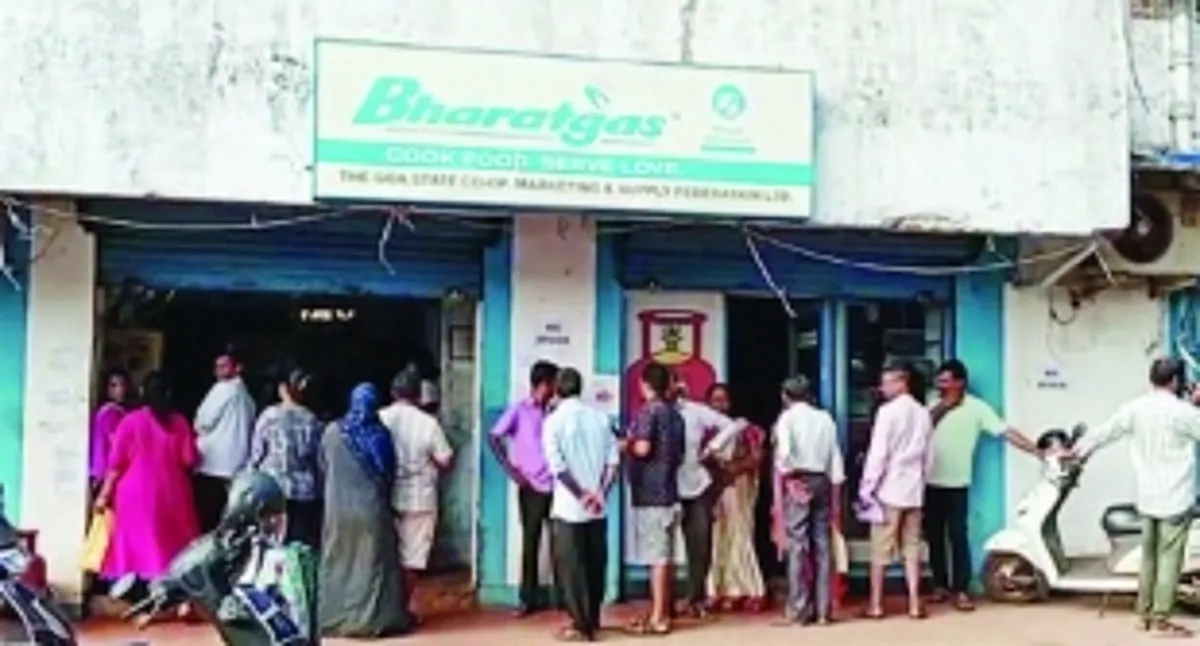
In a decisive shift towards energy independence, India is accelerating its transition from liquefied petroleum gas (LPG) to piped natural gas (PNG). This move, spearheaded by the Ministry of Petroleum and Natural Gas (MoPNG), aims to reduce the nation’s reliance on imported LPG, particularly in light of the ongoing geopolitical energy crisis that has disrupted global oil supplies.
Recent reforms instituted by the MoPNG have streamlined the expansion of the piped gas network, allowing for a rapid increase in PNG connections. In just the last twenty-five days, 2.5 lakh new PNG connections have been established, with approximately 2.20 lakh consumers successfully transitioning from LPG to PNG. This surge in adoption underscores the government’s commitment to making PNG a viable alternative for households across India.
Households are now facing a three-month window to switch from LPG to PNG, following official notification. Failure to comply will result in the discontinuation of their LPG supply. As stated in the directive, “The LPG supply to such an address shall cease after three months from the date of the communication.” This policy is designed to encourage swift adoption of PNG, which is seen as a cleaner and more sustainable energy source.
To facilitate this transition, the government has mandated that permissions for laying pipelines in residential areas must be granted within three days. If public authorities fail to meet this timeline, the application will be automatically deemed approved. Furthermore, the order introduces time-bound clearances and standardized charges for pipeline projects, ensuring a more efficient rollout of the PNG infrastructure.
Neeraj Mittal, a key figure in the initiative, remarked, “A crisis (has been) turned into an opportunity,” highlighting the potential benefits of this energy transition. The government aims to add an impressive 15 lakh new PNG connections in the next two weeks, further accelerating the shift.
Currently, domestic production of LPG accounts for only 50-60% of India’s consumption requirements, emphasizing the need for alternative energy solutions. The push for a uniform national framework for laying and operating gas pipelines across the country is a critical step in ensuring that PNG becomes a staple in Indian households.
In cases where it is technically infeasible to provide a piped natural gas connection, a no-objection certificate (NOC) can be issued, allowing households to maintain their LPG supply. This provision aims to address potential challenges in the transition process.
As the government forges ahead with its ambitious plans, the landscape of energy consumption in India is poised for significant change. However, details remain unconfirmed regarding the long-term impacts of this transition on energy prices and consumer behavior.