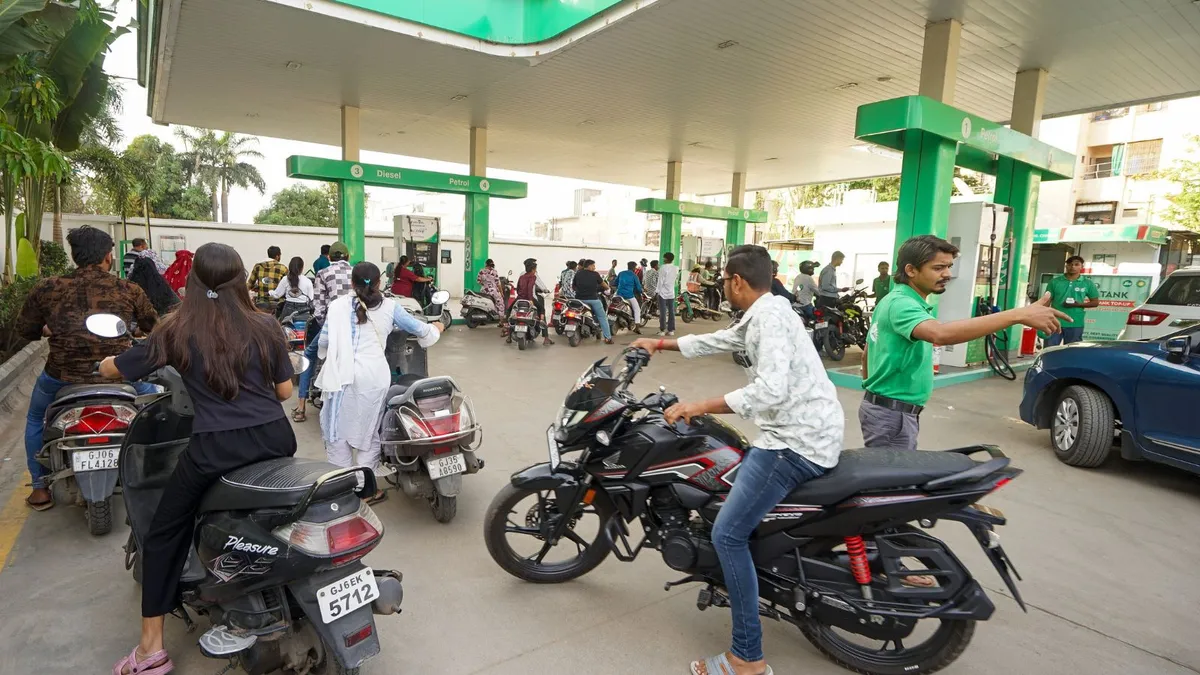
The ongoing conflict in the Middle East has created uncertainty in global energy markets and significant volatility in international oil prices. In light of these developments, Philippine President Ferdinand Marcos Jr. has declared a state of national energy emergency, emphasizing the need to protect the country’s energy security.
“A state of national energy emergency is hereby declared in light of the ongoing conflict in the Middle East, and the resulting imminent danger posed upon the availability and stability of the country’s energy supply,” Marcos stated. This declaration aims to shield consumers from the rising electricity prices that have been exacerbated by the turmoil.
The emergency measure will remain in effect for one year, during which the government is authorized to procure necessary fuel and petroleum products to ensure a timely and sufficient supply. Currently, the Philippines has around 45 days of fuel supply based on its consumption levels.
As part of the emergency response, the government plans to procure 1 million barrels of oil to build its buffer stock. This strategic move is intended to mitigate the impact of fluctuating oil prices on the local market.
In the face of surging liquefied natural gas prices, the Philippines will temporarily increase its reliance on coal. Coal-fired power plants currently produce nearly 60% of the country’s power, making this shift a critical component of the energy strategy.
Sharon Garin, a key government official, indicated that the emergency measures could begin as early as April 1, highlighting the urgency of the situation. “This is a temporary measure,” she noted, underscoring the government’s commitment to addressing the immediate challenges posed by the conflict.
Observers are closely monitoring the developments, as the situation in the Middle East continues to evolve. The Philippine government’s proactive stance aims to stabilize the energy sector and protect consumers from the adverse effects of global market fluctuations.
As the nation navigates these turbulent times, officials are optimistic that these measures will help secure the energy supply and maintain stability in the electricity market.